You may know April is National Poetry Month, but to dig a little deeper, I asked Shannon Anderson—author, poet and teacher—to the blog to explain why poetry is important for children to read and write. She also shares tips for teaching poetry to young writers.
Shannon, what is National Poetry Month and when was it created?
I’ll admit, I had to look up the history behind this special month! Here you go: National Poetry Month was first started in April of 1996 by the Academy of American Poets to increase awareness and appreciation of poetry.
Many schools celebrate reading and writing poetry with creative activities and celebrations. As a teacher, I LOVE the “excuse” to encourage kids to read and write more poems during this time. As an author, I have been to many schools this month to share the joy of poetry and write poems with kids in writing workshops. My creative writing clubs have also had a blast this month, focusing solely on poetry creation.
Why is poetry important for children?
That is a big question! I can answer first as a mom, remembering back to my girls loving the sing-song rhythms of stories written in rhyme. The sounds and plays on words were pure enjoyment! Poetry helped them develop a love for books and reading.
As a teacher, I can tell you that poetry does SO much for language development. Reading rhyming poetry can help kids with predicting, an important comprehension skill. Reading aloud helps kids build their reading fluency. Poetry is the perfect genre for introducing interesting vocabulary words and figurative language. And, in my opinion, it is one of the best ways to inspire creativity and self-expression with students’ writing skills.
How did you kick off National Poetry Month with your classroom?
By the time April has rolled around, my class has already been introduced to all kinds of writing. I actually start out my first week of school with a narrative rhyming story from our reading series. I pair this, When Charlie McButton Lost Power, with Penelope Perfect, to show the kids the magic of different rhyming schemes. Many students don’t even realize authors intentionally plan which lines rhyme!
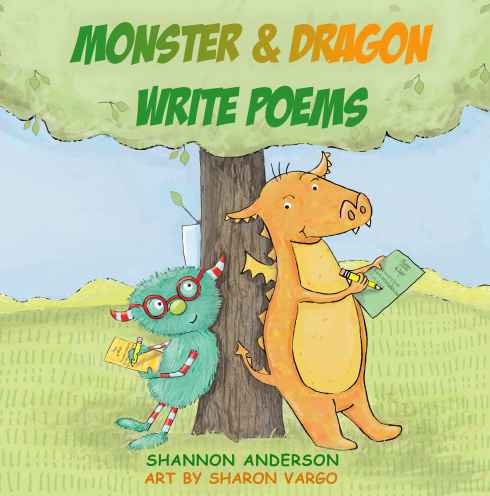
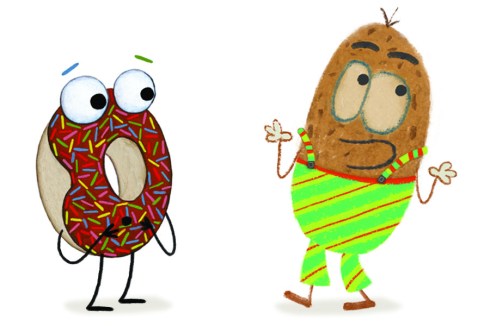
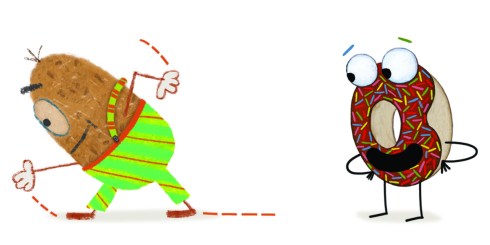
The first week of Poetry Month, I used my book MONSTER & DRAGON WRITE POEMS to show the kids other types of poetry that do not rhyme. Examples include acrostics, cinquain, haiku, and others. Through this mentor text, they see a fun story about a Monster & Dragon writing poems and want to try them out themselves.
Where can teachers, parents, and other writers go to find more information about poetry…and where can they find your book?
Being the poetry geek that I am, I wrote a big blog post about this, pulling together many great resources I have found. You can read the post here: Preparing for Poetry Month. MONSTER & DRAGON WRITE POEMS is available here.
Shannon, thanks for sharing your love of poetry. April poem showers bring May writing powers! (Um, maybe you can tell I’m not much of a poet.)
What are you working on now?
 I have a busy summer of writing ahead! I’m working on three books for teachers and have two more books for kids coming out next year. I’m sure it’s no surprise that one of the books for teachers is about writing. I’ll be sharing my lesson ideas, motivators, and tips for inspiring and teaching young writers. You can visit my website for updates and my newest releases: shannonisteaching.com. I have a link there to sign up for my monthly newsletter as well. I gather and post all of my favorite new finds for the month in these. (For teachers and writers.)
Shannon is giving away a free Skype poetry visit to the classroom of your choice.
Leave one comment to enter and a random winner will be chosen next week!
Good luck!


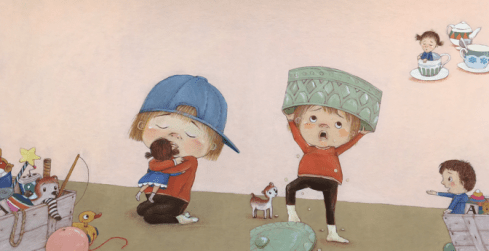
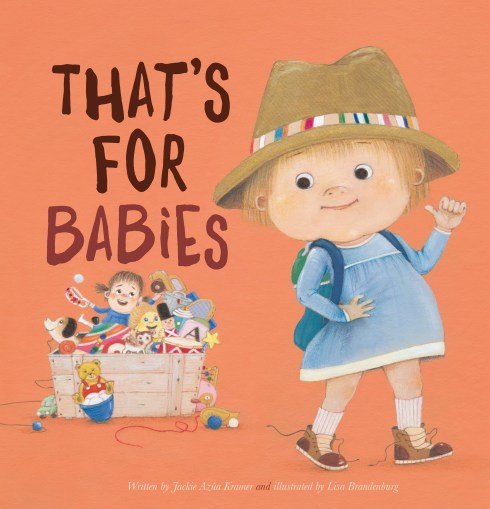
 Jackie Azúa Kramer studied acting and voice at NYU and earned her MA, Queens College, Counseling in Education. Jackie has worked as an actor, singer, and school counselor. Her work with children presented her an opportunity to address their concerns, secrets and hopes through storytelling. Now she spends her time writing children’s picture books. Her picture books include, the award-winning The Green Umbrella (2017 Bank Street College Best Children’s Books of the Year), If You Want to Fall Asleep and That’s for Babies. Upcoming books- The Boy and the Eight Hundred Pound Gorilla (Candlewick, 2020); I Wish You Knew (Roaring Brook, 2021); We Are One (Two Lions, TBD); Miles Won’t Smile (Clavis, TBD).




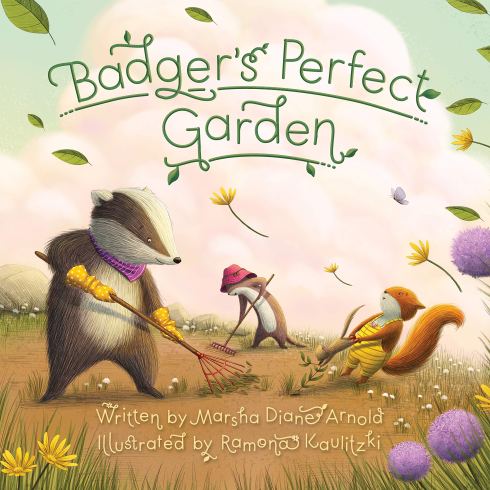


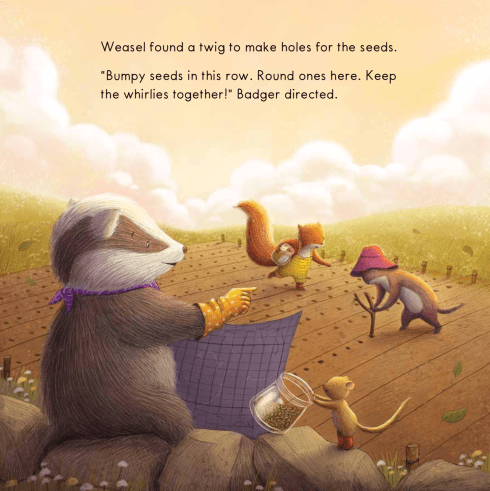
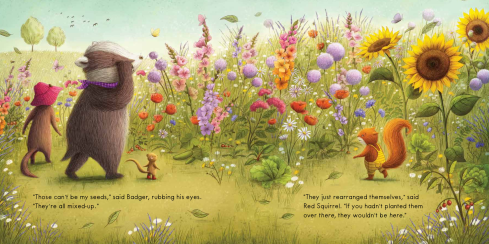
 Marsha Diane Arnold’s award-winning picture books have sold over one million copies and been called, “whimsical” and “uplifting.” Described as a “born storyteller” by the media, her books have garnered such honors as Best First Book by a New Author, Smithsonian Notable, Dolly Parton’s Imagination Library and state Children’s Choice awards. Recent books include Galápagos Girl, a bilingual book about a young girl growing up on the Galápagos Islands and Lost. Found., a Junior Library Guild book illustrated by Caldecott winner Matthew Cordell.
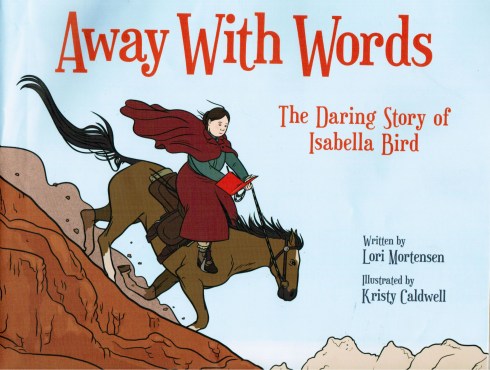
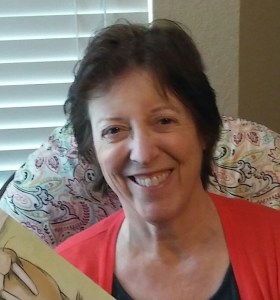 Lori Mortensen is an award-winning children’s book author of more than 100 books and over 500 stories and articles. Recent releases include her picture book biography, Away with Words, the Daring Story of Isabella Bird (Peachtree), about the first woman inducted into the Royal Geographical Society, If Wendell Had a Walrus (Henry Holt), Chicken Lily, (Henry Holt), Mousequerade Ball (Bloomsbury) illustrated by New York Times bestselling illustrator Betsy Lewin, and Cowpoke Clyde Rides the Range (Clarion, 2016) a sequel to Cowpoke Clyde & Dirty Dawg, one of Amazon’s best picture books of 2013. When she’s not letting her cat in, or out, or in, she’s tapping away at her computer, conjuring, coaxing, and prodding her latest stories to life.













 Writing for Kids (While Raising Them)