You are currently browsing Tara Lazar’s articles.
Fangirl moment. THE Carin Berger is on my blog today. A children’s book creator I have long admired, Berger’s cut-paper illustrations bring delightful whimsy to books by former U.S. Children’s Poet Laureate Jack Prelusky, as well as imbue her own stories with a joyful spirit.
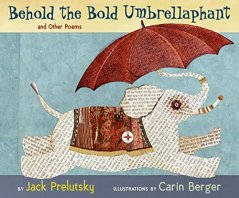
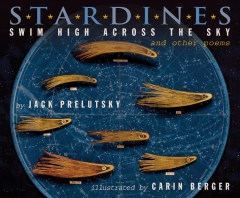
When I read her newest release, ALL OF US, I thought, “This is a perfect book for today—for right now.” So of course, I had to ask her about it. Thankfully, she agreed to an interview.
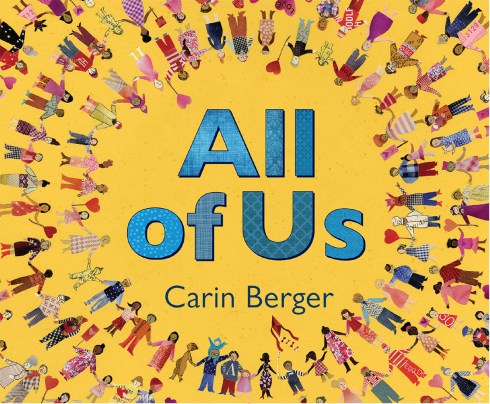
Carin, ALL OF US feels so timely, however I know it can take years to create a picture book. How did you decide upon the theme (and when)?
 While it is true that it can take years to bring a picture book into the world, I wrote ALL OF US, in a single burst, in response to the turmoil in our country, especially in the lead up to the election. In fact I wrote it while I was in Germany, the country that my family was forced to flee in the 1930s because of unrelenting racism, hatred and violence directed against vulnerable minorities. I had actually voted on Election Day and then flown to Germany that afternoon. I landed to the news of the election results. The juxtaposition of the events in our country against my own family’s history of forced displacement was upsetting and surreal. I wanted to do something to make a difference, to remind those that felt unbalanced or ostracized or alone, that community, diversity, inclusion and love are powerful and will ultimately triumph. This idea of wanting to do something dogged me for days. Or maybe it was months. In any case, there in Germany, with such a stew of feelings inside, I woke up in the middle of the night with the words to the book almost like a song or refrain in my head. I scribbled them down and made thumbnail drawings in my sketchbook. The next morning I took a picture of this on my phone and then emailed to my publisher, Greenwillow Books. And, in a terrific leap of faith, Greenwillow agreed to put this project ahead of one that was about to go to final art in order to get ALL OF US out into the world quickly.
You are known for your cut paper illustrations. Was there any special consideration of the paper you chose for this project?
I do think a lot about the paper that I use in my illustrations. I work with found ephemera in part because I love that each piece of paper comes with its own history…like secret stories…that inherently add another layer of depth to the books. I intentionally gather really diverse papers from around the world, so if you look closely at the illustrations in ALL OF US, you might see a bit of Chinese or Spanish or Japanese or Hindi or Russian.
I know you surreptitiously include your daughter’s name “Thea” in every book. Did you hide any messages in ALL OF US? Or is your message out in the open?
I love that you remember that I put “Thea” in all of my books.
It is true, in ALL OF US, there are some covert messages. Others are right out in the open.
Some examples of hidden messages are:
Thea’s name appears on the hand that is on the “know that I am here, as steady as stone” page.
Elsewhere in the book, my brother’s name, Daniel, appears in one heart.
Additionally, there are two self portraits in the book. One appears on the wordless “love wins” page holding a heart that says “thea”.
A second family portrait is on the lowest row of the left hand side of the 2nd “love wins” page. There you will find me, my husband, Max, Thea, and our pet rabbit, Pearly.

Finally, on all of the pages in the book that have illustrations of people, I have included images of family and friends within the crowds.
Also, if you look closely, you will find my daughter’s black cat, Cosette.
What’s more, there is a gentle, unspoken story going on in the book.
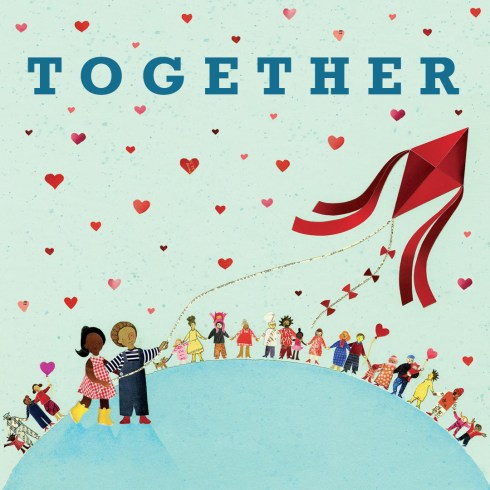
There are two characters that reoccur, the little girl in the yellow boots and the little boy with the red kite. The girl starts the book with a heavy heart and an unsure step. The little boy is on the page with the unclear path and his kite appears on the stormy past page.
They first appear together on the “hazy future” page, and they don’t notice each other.
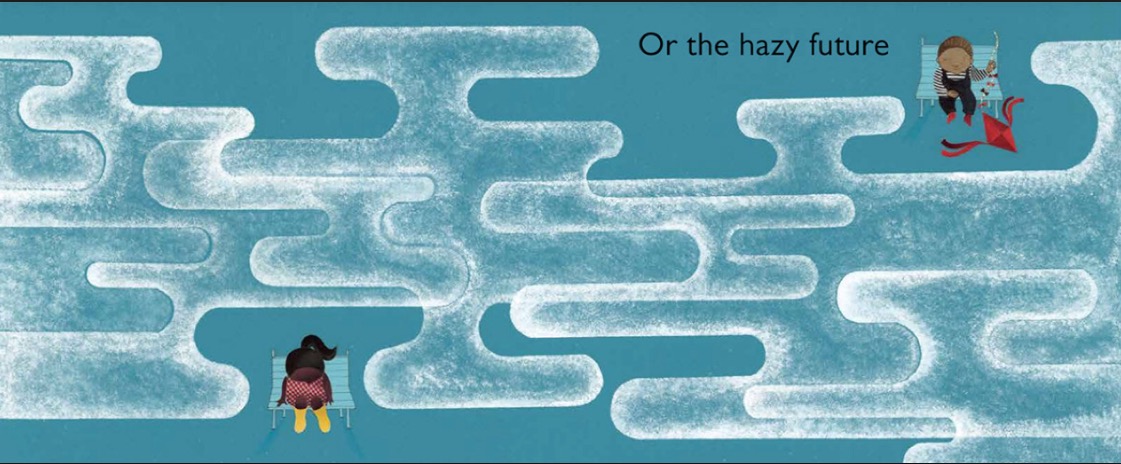
Eventually, as we make our way through the book, they notice each other and join together as friends in part of the larger community.
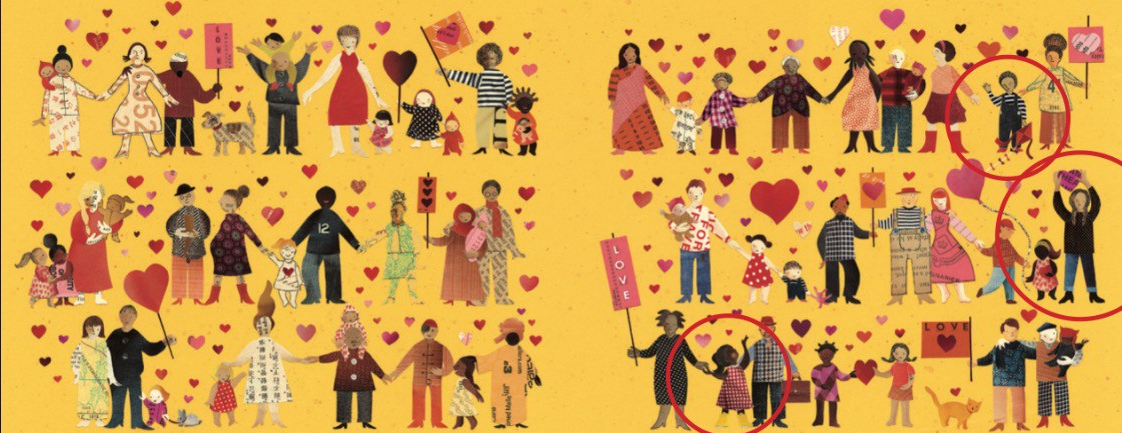
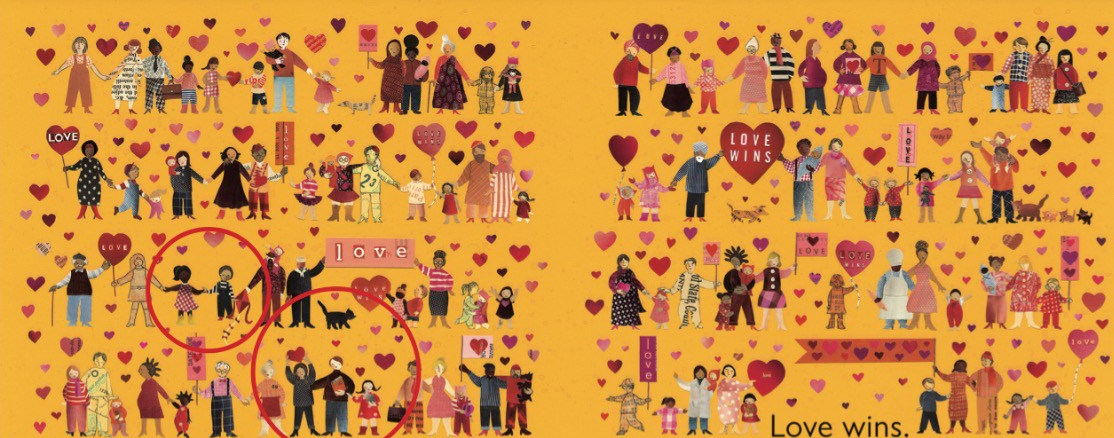
(Click to enlarge spreads.)
Carin, what do you hope readers will connect with? What do you hope they will take away after reading ALL OF US?
Hope is a great word. I HOPE that the message of HOPE in ALL OF US will resonate with readers.
I HOPE that the book makes readers feel more connected, that it opens up conversations about inclusion and community and the power of HOPE and love in the face of adversity.
Children face so many challenging moments in growing up…they are figuring out who they are, and how they fit it. They are trying to make sense of the world and navigate through all sorts of new situations. I really HOPE that ALL OF US can be a tool to bring people together and to offer empathy and light and HOPE in difficult times.
Thank you, Carin, for bringing us such a beautiful book for our uncertain times. I know I will treasure my copy.
Blog readers, if you would like your own copy to treasure, plus ALL OF US bookmarks and swag, please comment once below.
A winner will be randomly selected in September.
Good luck and thank you for reading.
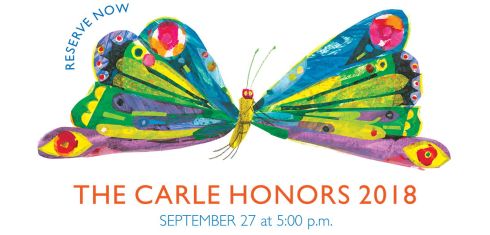
In one month, The Carle Museum of Picture Book art will hold its annual Carle Honors, awarding four people/entities who have made significant contributions to the art form.
Also that evening, September 27th, final bids are accepted on original artwork by picture book masters. The auction goes live on August 31, and you can browse and bid here: https://501auctions.com/carlehonors2018.
If you could ask the Carle Honorees one question, what might it be? My question is here—
“Why are picture books an art form to enjoy not only in childhood, but through every age, every stage of life?”
—and the answers are diverse and delightful, just like picture books themselves.

Paul O. Zelinsky
2018 Carle Honors Artist
“Why are pictures an art form to be enjoyed by people of all ages? Well, that has to be a function of what picture books exist in the world to be enjoyed. Some, aimed at children in a pedantic and condescending way, are no fun at all for adults, and might be appreciated by only the most deluded or idiosyncratic child. But the world has come to contain an increasingly large number of picture books created by genuine artists, addressing the full extent of their humanity. These books may not look the same through the eyes of a four-year-old as they do to an adult of ninety-five (even putting aside questions of cataracts), but they somehow charm and enrich the thoughts and the vision of both. Picture books can be appreciated by people of all ages because there are picture books that deserve this kind of appreciation. One of the best ways to prove this is to visit The Eric Carle Museum of Picture Book Art!”
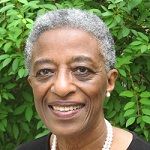
Dr. Rudine Sims Bishop
2018 Carle Honors Mentor
“Picture books are indeed an art form, and enjoyment of art is not limited by age. With their unique combination of interdependent visual and verbal art, picture books speak to readers and viewers on a fundamental level. In addition to their aesthetic appeal, their thematic content often evokes universal emotions and experiences. Picture books also offer opportunities for older students to examine and learn about artistic styles, media, and technique. Picture book texts, in their conciseness, are often poetic, and can evoke the same kinds of responses as poetry. And because many literary genres come in picture book format, picture books can be a rich source of information as well as entertainment. Like other art forms, picture books are never outgrown.”

Dona Ann McAdams
(and Lynn Caponera),
representing The Sendak Fellowship & Workshop
2018 Carle Honors Angel
“I never assume a picture book is just for children. When a picture book works it marries images and words in a way few other mediums can. Each time we revisit an old beloved picture book we discover something new within its covers and new within ourselves.”

Elena Pasoli
The Bologna Children’s Book Fair
2018 Carle Honors Bridge
“The language of illustration is borderless not only in terms of cultural and geographical heritages, but more and more often also in terms of the age of the readers. Who could describe ‘The Arrival’ by Shaun Tan as simply a children’s book? This is the same for most of the wordless books which have been sharply growing in production and sales in the last few years all over the world. Illustrations speak clearly to everybody; they tell stories and leave people free of traveling across pages and thoughts; they are powerful and add emotions to the words; they can engage the readers’ memories as well as accompany them to discover new worlds.”
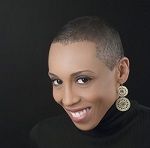 Andrea Davis Pinkney
Children’s Book Author, Editor &
2018 Carle Honors Presenter
“Come, little one. Climb onto my wings. Nestle, settle, celebrate. My feathered pages take you to places only the clouds can touch. Up, up! Here we go, soaring through words and pictures that fill you with my unforgettable flutter. Do you see the view from where my colors paint themselves into your quietest places, into the deep-down knowing that brings you comfort, giggles, wonder, discovery?
“Listen to my wisp of words spinning stories that will someday become your heart’s memories. Yes, child, I am a picture book. Our journeys—yours and mine, together—will last your whole life. This is what we picture books do—we lift you. We let you rise to skies filled with wonder. This, the awakening of your soul, starts from the day our wings hug your imagination. From there, we beckon you higher. Child, young or old, I am a picture book. No matter your age, stage, time or place, I give you the power to fly!”
Thank you, Honorees, The Carle Museum…and picture books!

What question would you ask the Honorees? Please tell us in the comments…
Thanks to Jarrett Lerner for asking me to kick off his new feature. (And I am happy to talk cheese on Twitter.)

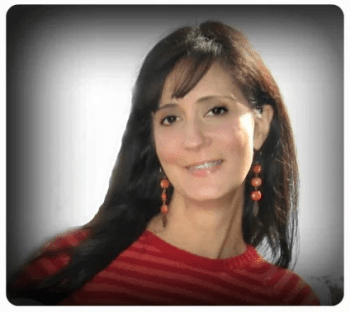
My name is… Tara Lazar. Not Tara Laserbeam, but that would be pretty awesome if it were.
I am a… weird person. At least that’s what my kids say.
As a kid, I was… a budding inventor, a neighborhood entrepreneur, a creative writer, a voracious reader, weird and odd, loud and annoying, a fiercely loyal friend.
Writing is… the best way to be me.
Reading is… as necessary as cheese. (I cannot live without either.)
Books are… my favorite friend.
Did you know… I used to be a competitive figure skater? I got married in Hawaii? I have two daughters and a hamster? I have Multiple Sclerosis? I choose cheese over chocolate? I despise coffee? I live in New Jersey? I make the best meatballs in the world? I have a five-foot stuffed purple orangutan named Norman who lives on my stairway?
You can find me… somewhere in my imagination.
…
View original post 46 more words
Skipping around the interwebs, I stumbled upon a magical discovery. Kate DePalma, Senior Editor at Barefoot Books, tweeted about their new Build-A-Story-Cards, and I gasped at the adorableness.
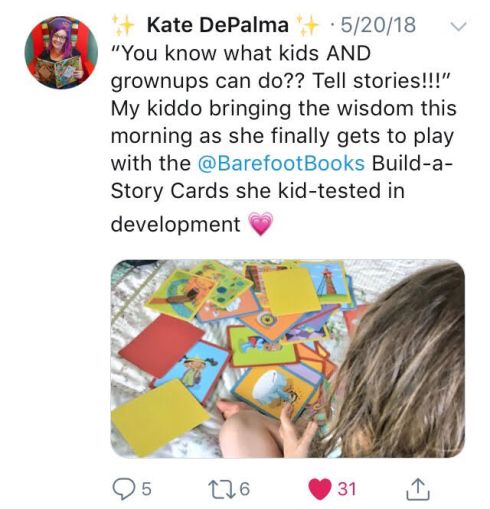
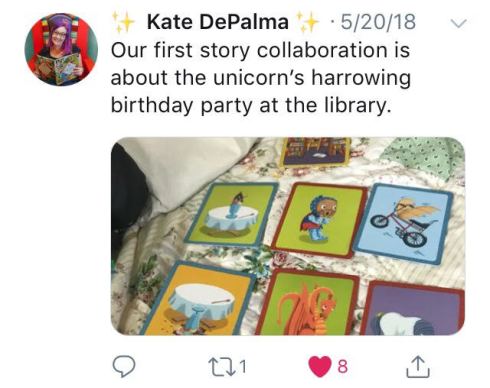
Always on the lookout for tools to create better stories, I immediately seized the opportunity to investigate.
I’m a fan of Rory’s Story Cubes and Storybird, as both improve literacy skills without children even realizing BECAUSE THEY’RE SO MUCH FUN. Barefoot’s Build-a-Story Cards snap right into this category, too.
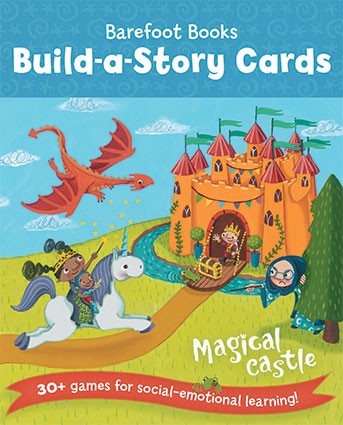
Aimed at kids aged 3-10 (or, obviously, 48), Build-a-Story Cards help create an engaging story with all the essential elements—character, emotion, setting—and a little sprinkle of magic.
Kate put me in touch with the product team: Lisa Rosinsky, Senior Editor, and Stefanie Wieder, Senior Director of Product and in-house early childhood development expert.
Stefanie and Lisa, on my blog I talk a lot about how ideas originate. What was the genesis of the Build-a-Story-Cards?
Stef: Before we developed our own deck of story cards, we tested the existing cards on the market with kids of various ages, and we discovered something interesting. Whether they were 3 years old or 7, kids had trouble creating stories that made sense. This left kids frustrated and limited their attention span. We thought, how can we improve on this?
With our story cards, we wanted kids to have fun with storytelling, while also learning about the structure of stories because this was going to help them create stories that make sense and become better writers. So we asked the illustrator, Miriam Latimer, to create these adorable pictures of a magical world filled with unicorns, dragons, castles and potions. We divided the images into three categories: characters on red cards, objects on blue cards, and settings on yellow cards. We also created a robust instructions booklet full of activities for learning about and playing with these three key story elements.
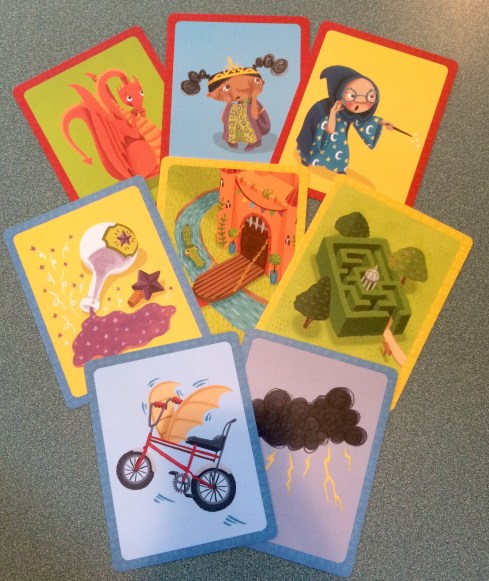
Lisa: We knew we wanted to work with beloved Barefoot illustrator Miriam Latimer for this deck, so we could tie it in with two popular series Miriam also illustrated: our Ruby series (Ruby’s School Walk, Ruby’s Baby Brother, Ruby’s Sleepover) and the Prince books (The Prince’s Bedtime, The Prince’s Breakfast). We asked her to start with those characters, and then we added in lots of classic fantasy/fairy tale elements—witches, dragons, and unicorns, oh my—for extra storytelling potential!
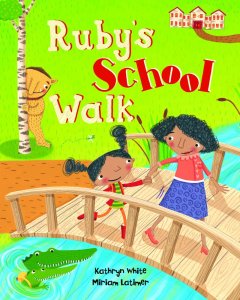
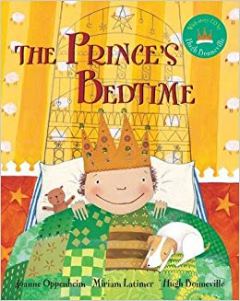
Stef: At Barefoot Books we always like to have multiple layers of learning in our products, and so we also included a social-emotional element as well. Our Magical Castle Build-a-Story Cards includes character pairs. Each pair shows different emotions for kids to identify and build stories around. In the instructions we encourage kids to create stories about friendship and conflict resolution. So, in a nutshell, this product was born of us wanting to improve on existing story cards out there by creating a product that teaches early writing skills while also reinforcing social emotional learning. And, by the way, this is only the first in a series of these Build-a-Story Cards. Future decks will feature different imaginative themes and other key early learning skills.
That’s smart to include emotions—every writer knows it’s a required element for successful stories. Your audience must feel the character’s struggle and develop empathy for them.
What else (besides these cards) do children need to become successful storytellers?
Lisa: Story time! Reading to children helps them build early literacy skills, and when kids listen to stories, that helps them learn how to tell their own stories. Stefanie has created a series of story time videos for us that model engaging storytelling by asking questions, modeling predictions, and noticing elements of the artwork. You can check out a few of our most popular story time videos on our Facebook page.
Do you have any sneak peeks at images from future decks?
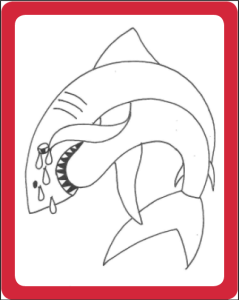
Lisa: Yes! We are working on two more decks right now, due out Spring 2019. Both will feature artwork by classic Barefoot illustrators, and both will follow the same basic setup as the first deck: 36 wordless story cards, including 12 characters, 12 objects, and 12 settings. One has an “Ocean Adventure” theme and includes ideas for lots of different math games, ranging from early counting and sorting skills to more advanced word problems. The oceans deck is illustrated by Debbie Harter.
Well, being that it’s Shark Week…let’s debut this guy’s sketches…

The other is titled “Community Helpers” and is illustrated by Sophie Fatus. The Community Helpers deck includes all sorts of community heroes, from service dogs and firefighters to teachers and janitors, plus games that help kids learn about people and places in a city.
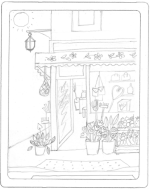
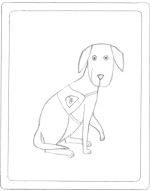
I know these cards are aimed at kids, but how do you think they will be valuable for adults, too?
Lisa: The cards are quite versatile! They’re great for engaging kids in solo play, whether at home, in a classroom, or traveling on a family trip. They’re also helpful tools for educators and curriculum creators, from preschool to upper elementary. Writers of any age, at any stage of their career, can use them as story starter prompts. And finally, in our experience, adults have a lot of fun with these cards, too. We even used them as an icebreaker at a company event recently, and everyone really got into it!
Ha, I’m going to try that at my next barbeque! “Pass the ketchup—and the message-in-a-bottle card.”
Plus, I can easily create additional cards using your red/blue/yellow model. (Did I say “I”? I meant “kids”.)
Thank you Kate, Lisa & Stefanie for introducing me to Barefoot’s Build-a-Story Cards. Learn more about them here.
And now let’s introduce my blog readers to them. Comment below to enter a giveaway for a pack of Magical Castle Cards. (One comment per person, please.)
A winner will be drawn at random next week.
Good luck!
Congratulations to…
Katie Engen
for winning a critique from MOUSELING’S WORDS author Shutta Crum!
LeeAnn Rizzuti
for winning a copy of Denise Fleming’s THIS IS THE NEST THAT ROBIN BUILT!
Sheri Radovich
for winning FIRST SNOW signed by Nancy Viau!
Lenora Rougeou Biemans
for winning a copy of TERRIFIC TONGUES by Maria Gianferrari!
Rosie Russels
for winning Lydia Lukidis’s A REAL LIVE PET!
An email will be coming to y’all soon!
Shutta Crum wrote one of my all-time favorite Storystorm posts a few years ago about crafting an irresistible picture book opening. Her “four W” technique grounds the reader in time and place with the character, leaving just enough detail unanswered so one must turn the page to discover why. WHY????
When I learned Shutta the word whisperer released a new book celebrating words, I just knew she’d have lots of wonderful words to say about it.
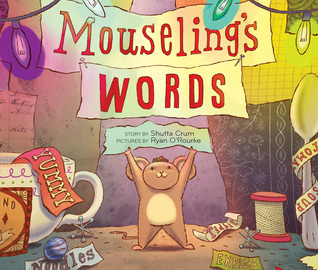
Shutta, you know I’m a “wordie”—that’s a new word in the Merriam-Webster Dictionary this year and it means “a word lover”. Words bring Mouseling great comfort and belonging in this story. Which words foster those same feelings in you?
You ask a great question that I had to ponder quite a while. I mean, there are so many wonderful words that can engender feelings of comfort and belonging, like family and chocolate. So I thought about what I’ve lost and miss the most. And that would be my parents. They both died in 2008. Anyway, I bear my father’s nickname as my legal first name, Shutta. But he never called me that. He gave me a nickname, Shud. What I wouldn’t give to hear that word in his voice again! And thinking about my mother, I think of food. Specifically, biscuits and gravy, a Southern breakfast staple. It’s real comfort food, and makes me think of home and all the wonderful smells of Mom’s cooking.
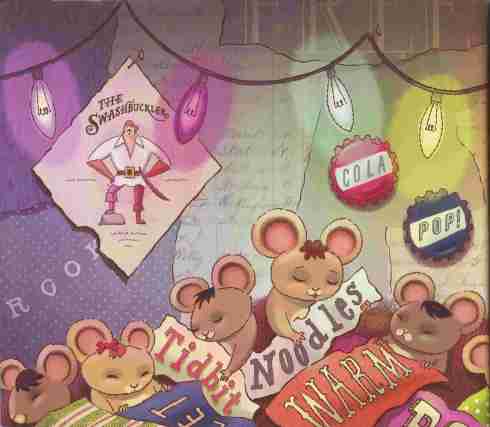
So circling back to your childhood, did words give you comfort then? Were you an avid reader and writer even as a little girl?
Was I an avid reader?—hah! I read everything I could get my hands on, especially as we did not have many books in our home. I remember Mom telling me to put my books down and go outside and play. My siblings were real outdoor lovers and I think she thought I was a bit unusual. I also remember being proud when I could finish a book in a day. Sometimes I’d hide them in my textbooks at school as I read. Words were comforting, and amazing! Whole worlds were opened to me. As an avid reader I was also an avid day-dreamer. I’d play out scenes in my head all the time. I still do. It’s made me a very visual thinker and, I believe, a better writer.
A funny story: if I found a book, I’d pick it up and start reading it. One time, when I was in high school I found a rather salacious book at a bus stop. I opened it up in geometry class when we had a few extra moments to read and my teacher just about had a stroke. He came bounding over to me and ripped The Story of O out of my hands in an apoplectic manner yelling, “Where did you get this?” I’d only read the first page, or so, but my, oh my! However, most of my reading material was adventure, mystery and science fiction.
Why is learning tough (but fun) new vocabulary words important to young readers?
Humans have been communicating since the time we could only point and grunt. There is an instinctive desire to communicate—even with our first breath we communicate—we cry when we’re birthed. It means: Hey it’s cold out here! What’s happening to me? Where am I? And, This doesn’t feel right. Communicating is like breathing; it is part of our basic nature. And miscommunication can be disastrous. Deadly, even. So finding the right word or the right way to say something is important. When we build our vocabularies we have more skill at pinpointing exactly what we mean.
This is always important to writers! But for people who love words it goes beyond meaning to the music created by the sound of words, and even the way words sound in our mouths. We use all our senses to communicate.
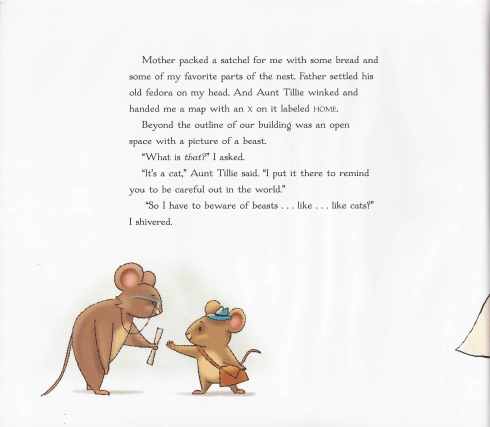
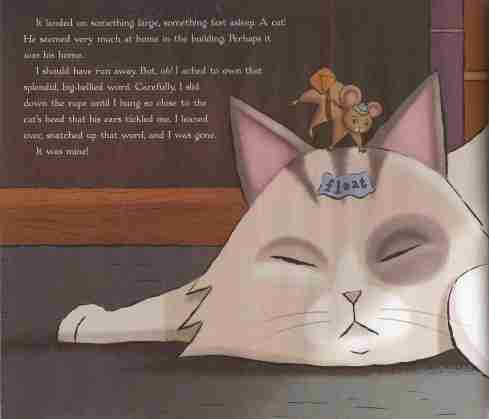
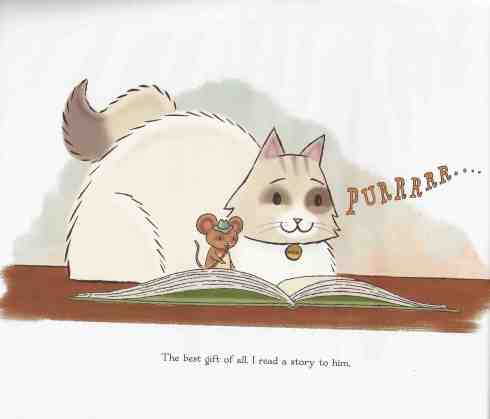
In MOUSELING’S WORDS, Mouseling feels the whirr of “fur” in his throat when he says it. He sees the two round vowels that look like mouse tummies in the middle of the word “float.” He tastes the word “milk.” He smells “perfume.” And he hears the loud crinkling and crackling of the word he balled up to throw at the cat. I really wanted young readers to know that when we communicate we use our whole bodies—not just vocabulary words. But it’s also handy to have a large vocabulary to choose from. It’s like having lots of pairs of snazzy socks to wear. You wouldn’t want to wear the same old white ones every day. That’s the fun of words!
Obviously, you’re a “wordie” too. Any special hints for writers about word choice?
Well, I’ve just had an article published at the RYS site about wielding the right words and using the right journals that goes into this question in detail. I can sum it up by saying that when I think about word choice I think of words like people. Words have personalities, and like any person there is always more than what meets the eye. Words have emotional baggage, a cultural upbringing, physical sensibilities and an historical demeanor. Considering all of these factors is critical when writing for young readers. I only have so many words to play with—very few in the case of my picture books. Those words have to be weighed, analyzed and found to slot perfectly into its place.
I should also mention that I keep special “word” journals. I do not just journal generally. I note words I find, or phrases I love, from my reading. I keep an onomatopoeia journal and other specific journals. These help me keep the focus on word choice. The full article with examples from great writers can be found by going to this link at my blog.
Thanks, Tara, this has been fun…keep those lovely words coming!
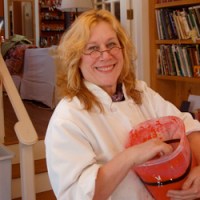
Shutta Crum is the author of thirteen picture books, three novels, and numerous poems and articles. Her THUNDER-BOOMER! was an American Library Association and a Smithsonian Magazine “Notable Book” of the year. MINE! was listed by New York Times as “one of the best board books of the year.” Many of her books have made the Bank Street Best Books lists and have been short-listed for state awards. Her newest picture book MOUSELING’S WORDS is garnering glowing reviews. PW says: “…a tribute to the way books can unite even the unlikeliest of friends.” Booklist says, “This earnest and encouraging title fits on the shelf of books for book-lovers…” And Kirkus Reviews sums it up as, “Encouraging, lovely words.” For more, visit Shutta.com.
Shutta is giving away a picture book critique (less than 1000 words)—what an awesome opportunity! Just leave a comment below mentioning you want the crit (in other words, use your words).
A random winner will be selected at the end of the month.
Good luck!
 Author-illustrator Denise Fleming gave the keynote at the NJ-SCBWI conference a few years ago and she said something that has stuck with me: “My internal age is five. So I make books for five-year-olds like me.”
I had an ah-ha moment, complete with a hovering lightbulb. I’m eight, I thought. No wonder I write what I do.
Denise’s newest book was recently released, and if you’re familiar with her work, it looks a little different. I learned that Denise has changed up her style. So, of course, I wanted to chat about it.
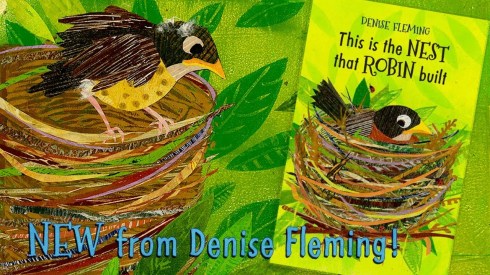
Denise, you are well known for your innovative illustrations created with paper pulp. THIS IS THE NEST THAT ROBIN BUILT looks a little different—still gorgeous and unique—but I understand you decided to reinvent your style with this book. Why did you feel the need to change up your technique?
I have been illustrating my books with pulp painting for over 25 years. While I love paper making, I felt it was time for a change for several reasons. The small company where I bought my pulp had changed hands and the new pulp was causing me problems. The board I used for stencils was no longer available. I had tried substitutes but none worked as well for detail and some were difficult to cut. Then, there were the hours of standing bent over the paper vat which was affecting my health. These were all a part of my decision to experiment with new techniques.
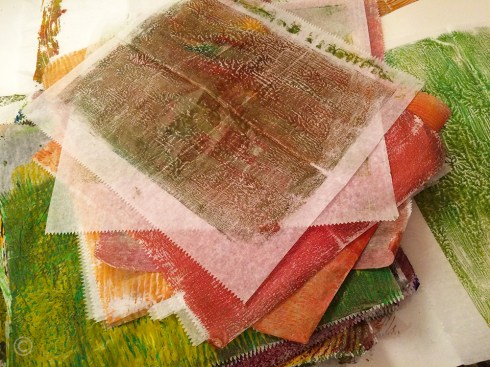
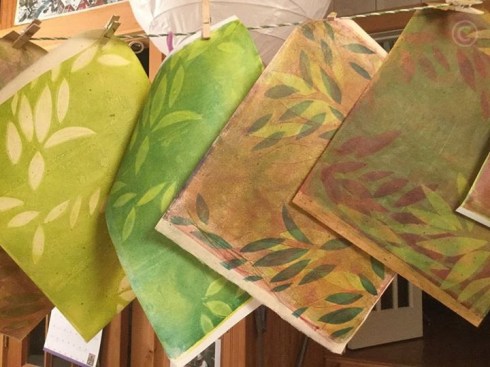
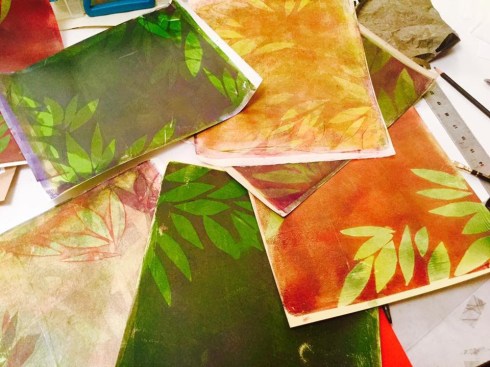
Gelatin printing and foam printing along with collage were the techniques that really interested me. These provided more freedom and the ability to create more detail, which is difficult with paper making. I also felt I needed a bit of reinvention. I have been around for a long time, I wanted readers to take a second look at my art. I am fascinated with printmaking. Before I created books I studied printmaking, mostly etching, lithos and mono-prints. I am excited to try new styles and techniques in upcoming books.

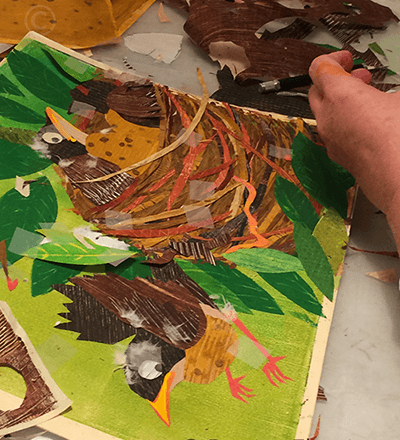
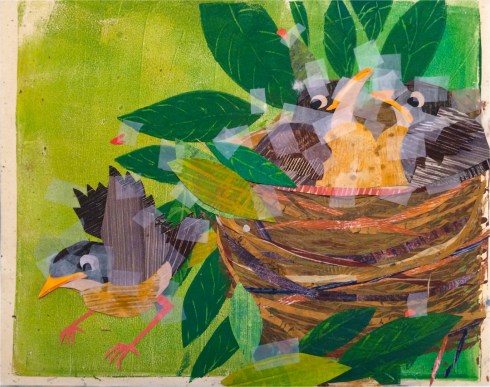
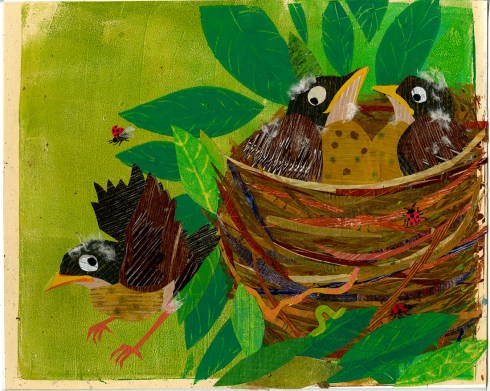
How does this new style contribute to and enhance this story?
With the new style I am able to create more detail in the illustrations. Printing the background and collaging the foreground gives the feeling of more depth. I also am able to make papers with the textures of feathers and grasses which enhances the art and adds a feel of realism.
Has your new style given rise to ideas for books you would have never thought of before?
Actually, I will be experimenting with several new styles in upcoming books. And yes, these new styles will allow me to more ably illustrate several manuscripts I had put in the back of my file due to the fact that I couldn’t figure out how to illustrate them in my pulp painting technique. People are difficult to do in pulp painting. Up until this point I have illustrated people as large graphic shapes. Hands and fingers were stressful as the pulp would fill in spaces between figures. Ugh. So maybe more figures and details in upcoming books. And maybe even white space.
Can you tell us about any upcoming projects?
As to future books, I have been on a sort of sabbatical. Working out how I want books to look. Manuscripts have not been submitted, so I would rather not reveal any of the books until they are under contract. But, I will let you know about them as soon as I send them out and am offered contracts. I agent myself, so I have to give myself a push. Unfortunately, I love experimenting, so I am slow to get back to the business of books.
If I were to edit your reply, I would delete “unfortunately”. Readers are lucky that you keep innovating and creating even more beautiful art!
THIS IS THE NEST THAT ROBIN BUILT is available now from Beach Lane Books.
You can win a copy here by leaving a comment below. A winner will be randomly selected in a couple weeks.
Good luck!
by Nancy Viau
Hey there, readers of this wonderful blog!
Betcha can’t wait for hot, hot summer days, right? I know I’m looking forward to lots of sunshine and NO SNOW!
WAIT.
A.
MINUTE!
I canNOT say that because I am all about snow these days. The reason? In September, my fourth picture book makes its way into the world, and it’s called FIRST SNOW (Albert Whitman & Co.). So, put on your clunky boots and funky hats, think chilly thoughts … instead of OMG, it’s summer and it’s ridiculously hot, and please check out:

What does this cover reveal about the book? Simple. Snow. Is. Fun! If you’re an adult, do you remember the hours spent building igloos, having snowball fights, sledding, and that feeling of cozy warmth from a cup of hot chocolate? (Yeah, I know, dear grown-ups, you’ve gotta put aside the snow shoveling, buried cars, bad roads, etc. for a minute. I haven’t forgotten about you. When the book comes out, look at my funny dedication!)
As with my other picture books, this story is written in rhyme. Before I even thought about being a writer, I loved to read rhyming books. The words seemed to roll off my tongue, yet I never really understood why until I tried my hand at rhyme. It was much harder than I ever imagined! With rhyme, there is so much to consider—the rhyming words, internal rhyme, meter, length of phrases, length of stanzas, vocabulary, and more. Still, I love it. I love that every single word counts. It often takes me weeks to find that perfect word—the one that fits for all the right reasons. When that happens, it’s magical, trust me. If you write in rhyme, you know exactly what I’m talking about!
As far as finding a topic for a rhyming picture book, nature has always been my inspiration. I enjoy every season and the weather that comes with each one—warm, breezy, rainy, super-hot and humid, or freezing cold. While some may grumble, growl, and complain about a pending snowstorm, I’m a little kid again. There is something about the crunch of snow under my feet; its clean smell; that blanket of white; the cheery voices of children playing; and at night, the quiet peacefulness it brings.
Puffy jackets. Scarves in place.
Extra mittens, just in case.

In FIRST SNOW, you’ll see the kids scramble to see those first snowflakes, then head outside for adventure. Illustrator Talitha Shipman has done an amazing job of showing how beautiful snow is. (It’s not easy to paint white snow on white paper, right?) The colors she has chosen are varied and bright, and the expressions on the kids’ faces are priceless. Seeing how an illustrator works with my words is one of my favorite things about writing picture books.
So, next winter when meteorologists predict a big winter storm, I hope you’ll curl up with a copy of FIRST SNOW and think back to a time when snow meant serious, crazy fun. Then bundle up and go out and play!
Nancy Viau is the author of five picture books: PRUETT AND SOO (Two Lions, TBA), FIRST SNOW (Albert Whitman), CITY STREET BEAT (Albert Whitman), LOOK WHAT I CAN DO! (Abrams Books), and STORM SONG (Two Lions). She also writes middle grade and has several published with more forthcoming. Look for her latest, BEAUTY AND BERNICE, at the end of August! During the summer Nancy works as a librarian assistant at a public library and is the first to check out the travel books, searching for adventures out-of-state and out of the country. It’s in nature where she finds inspiration and whether it’s navigating mountain trails or riding her bike, she’s always writing stories in her head. Visit her at NancyViau.com.
Nancy is giving away a signed copy of FIRST SNOW in September. Comment now to be entered into the random drawing. A winner will be selected…on the first day of summer…? (Oh, the irony.)
Good luck!
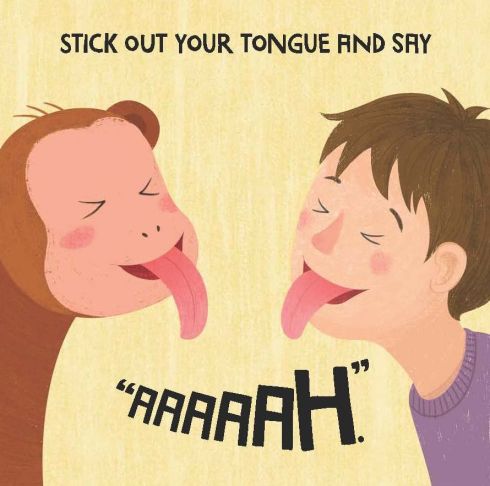
Cat got your tongue? I hope not! It’s time to stick out your tongue and celebrate all things tongue with a TERRIFIC TONGUES book giveaway, and a trip off the tongue thanks to Tara for helping feature it here!
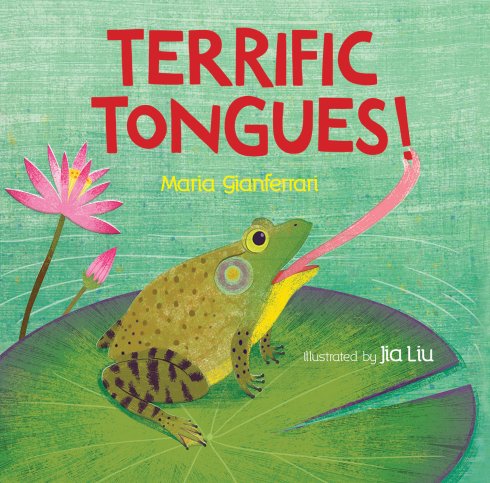
Tongues rule!! So does Jia Liu’s fun and vibrant art!

How cool are tongues? Take this quiz and find out!
Whose tongue is like a washcloth?
A) Giraffe
B) Okapi
C) Tiger
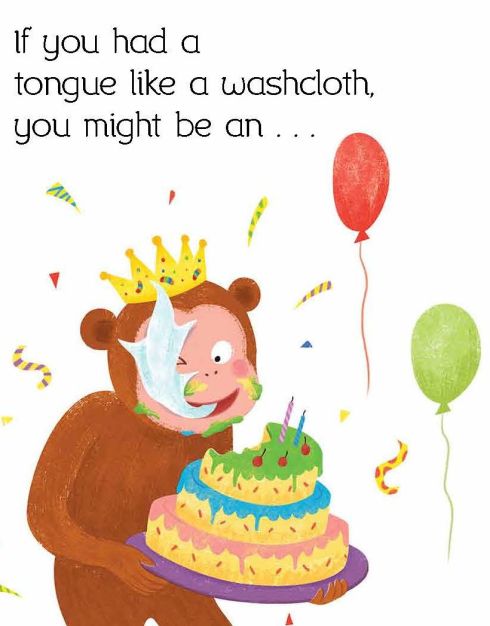
If you had a tongue like a whip, you might be a …..
A) Snake
B) Dog
C) Anteater

Your tongue cleans your eyes like a windshield wiper. Who are you?
A) A gecko
B) A snail
C) A sea turtle
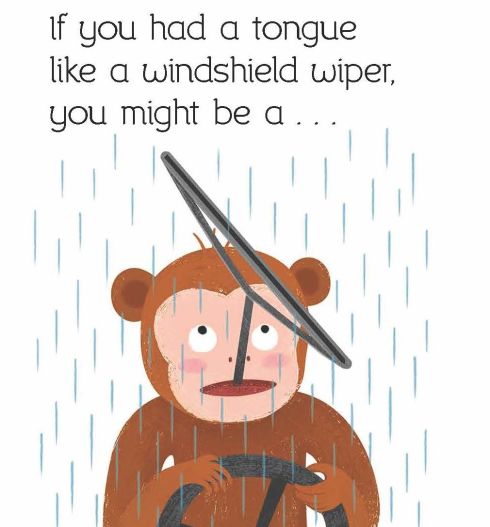
Answer in the comments and you’ll be eligible to win a copy of the book (for US residents only—sorry!).
To check your answers, read TERRIFIC TONGUES!
Thanks again, Tara & hearty thanks to publisher Boyds Mills Press for generously donating copies!
 by
by I fell in love with writing at the age of six. I scribbled poems and stories everywhere I could. But when it came time to choose a field to pursue my studies in, I opted for practicality and studied Pure and Applied Science.
It was hard work and I earned my degree. YAY!
But then, OH NO! The sinking feeling in my heart was undeniable. I realized I didn’t want a career in science.
So it was back to the drawing board. Since writing was always my first love, I decided to study English Literature at McGill University. Cut to a few decades later, I’m a published children’s author and found a way to incorporate my science background into my writing. I finally had the opportunity to use my science degree in a fun way.
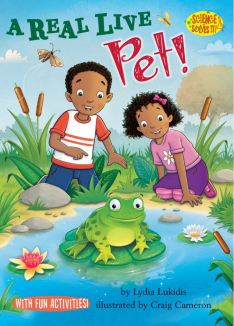
It came about unexpectedly, when I began to write for the educational market several years ago. I didn’t know I would love it until I tried it. Now I have over 40 educational books and eBooks under my belt, including two really exciting contracts I landed with Kane Publishing for their Science Solves It! series. I’m happy to announce both books are now officially released: A REAL LIVE PET! and THE SPACE ROCK MYSTERY.
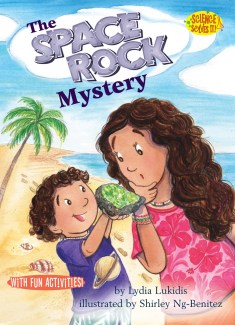
You may be wondering if the educational market is right for you. Here’s a list of common questions:
- Can I submit my own work to educational publishers?
There may be exceptions, but most educational publishers offer work-for-hire (WFH) contracts. They develop their concepts and specific guidelines in-house. Then they hire freelance authors who will create an outline and write the book under the guidance of an editor. - Will I get an advance and royalties?
In general, most educational publishers don’t offer an advance or royalties. Rather, they pay a one-time flat fee and retain all rights to the work. In some cases, you may not even get credit. On the plus side, WFH contracts typically pay fast, and the turn-around is quicker. - Can WFH contracts help open doors to trade publishing?
Landing WFH contracts can help you break into the market and gain experience working with editors and publishers. It’s also an opportunity to develop your writing skills and gain writing credits. This may help you on your path to traditional publishing, but there’s no guarantee as the two markets are separate. - Do I need an agent for the educational market?
Nope! You can apply and negotiate your contracts on your own. The contracts are typically fairly straight forward. Another bonus is that it’s slightly easier to break into this market in comparison to commercial publishing. - How can I get started?
Start compiling a list of educational publishers that work with the age brackets you’re interested in. In the SCBWI book, there are many great listings. Check the guidelines for each publisher and send them a cover letter detailing your experience and qualifications, along with your CV and some writing samples.
But as all writers know, you’ll need plenty of patience and perseverance. I remember my first attempt several years ago. I painstakingly crafted my cover letter and beefed up my CV as much as I could. I sent off 100 cover letters but didn’t get a single reply. Not even one! I experienced a moment of despair but decided to keep going. A year later, my body of work had grown and my writing samples improved. I sent off another batch of cover letters to the same publishers and lo and behold, I got my first break! From there, it snowballed.
While the educational market is not for everyone, it works well for authors who have a passion for writing nonfiction and want to supplement their income. For those interested in giving it a shot, I wish you luck on your journey! If you have any other specific questions, feel free to post them in the comments below.
Plus, leave a comment to enter to win a copy of A REAL LIVE PET!
A winner will be selected in a few weeks.
Good luck!
Lydia Lukidis is a children’s author with over forty books and eBooks published, along with numerous short stories, poems and plays. Her background is multi-disciplinary and spans the fields of literature, science and puppetry. Lydia writes fiction and nonfiction for children from K-6, and enjoys working with educational publishers such as Kane Publishing, Houghton Mifflin Harcourt and Red Line Editorial. She is also passionate about spreading the love of literacy and has been facilitating writing workshops for children since 1999. Visit Lydia at lydialukidis.com or connect with her on Twitter @LydiaLukidis.