by Kirsten W. Larson

Today we will not be talking about generating ideas.

Nope. Not even for a minute.

You think I’ve forgotten the whole point of Storystorm.

I assure you, I haven’t.

You see, I don’t think ideas have to be generated. They’re already out there just waiting for you to catch them. Your job is to pay attention, to put up your story antennas and jostle them around until the static gives way to a steady stream of inspiration.

That’s what I want to focus on today—fine-tuning your antennas. Because here’s the thing, if you train your antennas just right, you’ll pick up the story ideas only you can write. The ones that resonate with your soul and speak to the deepest part of who you are. The ones that capture your heart and energize you, carrying you from crappy first draft through countless revisions.

Those story ideas are gold. And they are begging for you to notice them.

Take the idea for my debut picture book WOOD, WIRE, WINGS, illustrated by Tracy Subisak, the true story of engineer Emma Lilian Todd. Lilian Todd was the first woman to design a working airplane, which flew in 1910. That idea for that book came straight out of the pages of ROSIE REVERE, ENGINEER by Andrea Beaty, illustrated by David Roberts.
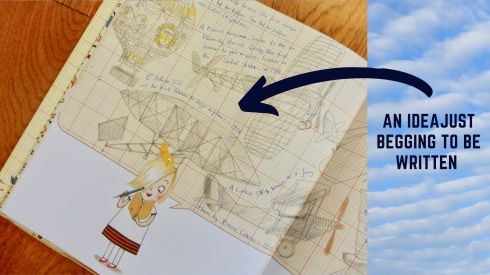
Thousands, perhaps millions of people have read ROSIE REVERE. Why did I pick up on the idea of Lilian Todd when so many others hadn’t?

My antennas were up.

I used to work for NASA, and I’ve lived and worked around airplanes my whole adult life. I was interested in aviation. I was fascinated by underdogs. And I was curious enough to think, “Who is this Lilian Todd, and why haven’t I heard of her?”

Step 1: Embrace curiosity

Your first task today is to make a list of topics that interest you and new things you want to learn about. Consider past jobs, your hobbies, your childhood favorites. (If you’ve read my latest picture book, A TRUE WONDER, illustrated by Katy Wu, you know I was a huge Wonder Woman fan as a kid. I had the Underoos to prove it.) Think about the types of movies, TV shows, and books you like. What are your cherished family and cultural traditions? What have you been dying to learn more about?

Now keep pursuing those interests and see what ideas crystalize out of thin air.

Step 2: Consider your values and truths you know

Now let’s make a list of your values and truths you know. These speak more to theme than subject matter, but every good picture book needs both.

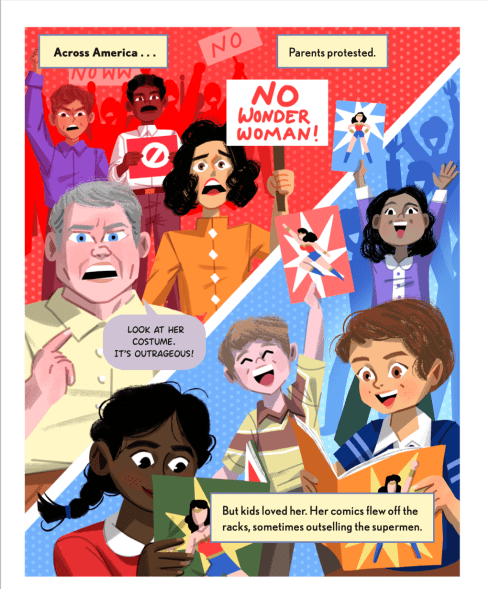
I believe underdogs can change the world, and I love writing about them. All my protagonists are underdogs, including Wonder Woman, who was poo-pooed by male comics creators and then parents and teachers.
The label also fits Cecilia Payne, the real-life subject of my next picture book, THE FIRE OF STARS, illustrated by Katherine Roy. When Payne discovered what stars were made of, a well-known male astrophysicist flat-out told her she was wrong. French art curator Rose Valland, who secretly spied on the Nazis for years, is an underdog too. She’s the subject of my first middle grade graphic novel, THE LIGHT OF RESISTANCE, illustrated by Barbara McClintock.

My antennas are always scanning they sky for stories about people who defy odds and expectations.

There are other ideas that fascinate me too, like being a scientist or inventor is about passion and persistence not genius. I also gravitate to the idea of subverting notions about what heroes look like.

Getting in touch with your values and truths helps train your antennas in the right direction.

Step 3: Mash it up

What if you combine one of your truths/values with one of the topics from your first list? Maybe you mash up “pirates” with “family is who you choose.” Does an idea start to form?

I’ll be honest, every time I finish a project, I worry I’ll never find another just-right idea. But I know if I indulge my interests and curiosity and reflect on my values, the ideas come in crystal clear.

Now get out there and pick up some golden ideas.

Kirsten used to work with rocket scientists at NASA. Now she writes books for curious kids. She is the author of the picture books WOOD, WIRE, WINGS: EMMA LILIAN TODD INVENTS AN AIRPLANE, illustrated by Tracy Subisak (Calkins Creek), A TRUE WONDER: The Comic Book Hero Who Changed Everything, illustrated by Katy Wu (Clarion), and THE FIRE OF STARS: The Life and Brilliance of the Woman Who Discovered What Stars Are Made Of, illustrated by Katherine Roy (Chronicle, 2023), and the middle grade, graphic nonfiction, THE LIGHT OF RESISTANCE, illustrated by Barbara McClintock, (Roaring Brook, 2023), as well as 25 nonfiction books for the school and library market. Find her online at Kirsten-w-larson.com or on social media @kirstenwlarson.

Kirsten giving away an hour Zoom call you can use any way you like. You could use it for career coaching, a critique, or just an “ask me anything” session.

Leave one comment below to enter.

You’re eligible to win if you’re a registered Storystorm participant and you have commented once below.

Prizes will be distributed at the conclusion of Storystorm.

by Josh Funk

So here’s the thing: I’m kind of a fraud. This is the fifth time I’ve written a guest post for Storystorm and it’s time to come clean.

Storystormers, I lied to you.

I never took my own advice before sharing it with you.

Let me explain.

Back in my first ever Storystorm post, I suggested you should think of something you want to see illustrated. I strongly implied that I got the idea for the Lady Pancake & Sir French Toast series by thinking how fun it would be to see a Pancake running through Broccoli Forest or a piece of French Toast skiing.

But that’s not how I got the idea for the book. I didn’t start brainstorming ideas by thinking of things I wanted to see illustrated until after I wrote that post.

During another Storystorm, I suggested spying on people in coffee shops…or better yet…spying on artists on Instagram. And while I do love to snoop on the #kidlitart IG hashtag, I didn’t truly start doing that until after I made that suggestion.

Another time, I suggested that you should think of the worst idea for a book and go write that. I somehow managed to convince you that I got the idea for Lady Pancake & Sir French Toast by using that approach (I really milked that book for Storystorm posts, didn’t I?).

But as you now know, that’s not how I got the idea. I didn’t start trying to think of bad book ideas as a source for new stories until after that post.

And in perhaps my most ludicrous Storystorm post, I suggested using autocorrects and typos to generate ideas. As you probably suspect, I never did this before writing that post. It was absolutely not a tried-and-true method of idea generation.

So as you can see, I lied to you. I was a genuine fraud.

But here’s the thing. After I wrote those posts…after I made those Storystorm suggestions…I did start to heed my own advice.

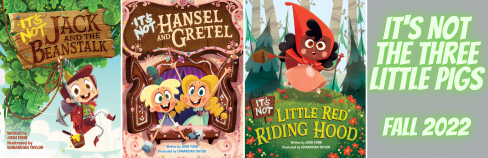
I got the idea for the IT’S NOT A FAIRY TALE series (illustrated by Edwardian Taylor) by thinking that it would be really fun to see the characters in a book arguing with the person reading the book.

I got the idea for DEAR UNICORN (2023, illustrated by Charles Santoso) from artists posting on social media on Unicorn Day (which also happens to be my birthday).

I got the idea for my poem The Ballad of Mr. Zibb (about my cat that poops all over the house) by thinking of an idea that should never get published (and frankly, I don’t really want to see that one illustrated)—although it is available as part of a Writers’ Loft anthology.

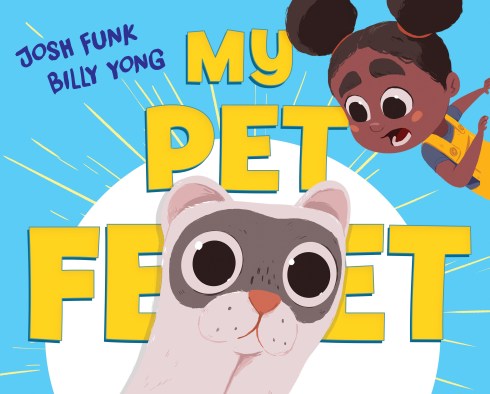
But maybe best of all was when I made the typo writing ‘my best fiend’ when I meant to write ‘my best friend.’ I began to wonder what a book called My Best Fiend would be about. I began wondering what happened to the R in friend to make it fiend. If something happened to that R, what happened to the rest of the R’s? Eventually, that led to an entire book written without the letter R, called MY PET FEET which comes out later this year (illustrated by Billy Yong) in which a little girl’s pet ferret turns into pet feet as she frantically searches for missing R’s throughout her mixed-up town.

So now you’re probably thinking, “Great, Josh. You told me how you lied and didn’t take your own advice until after you gave it to us. How does that help me now?”

Here’s how: I want you to think of the advice you give to other people that you often forget to take yourself. We all do this. What is the inspiring advice you tell others to follow…but need to do a better job of following? Today, I want you to utilize that advice.

Better yet, I want you to share that advice in the comments for ALL of us to learn from. What is your one piece of writing advice that you yourself wish you followed more?

You might be thinking, “But, Josh, doesn’t this just mean we, the Storystorm community, will essentially be writing this Storystorm post for you?”

And to that I answer, “Maybe. But maybe this will turn out to be the greatest Storystorm post TO RULE THEM ALL!!! Bwahahahaha!”

(Or maybe this post is another lie in an excruciatingly long series of despicable deceptions…)

Josh Funk is a software engineer and the author of books like the Lady Pancake & Sir French Toast series, My Pet Feet, the ​It’s Not a Fairy Tale series, the How to Code with Pearl and Pascal series, the A Story of Patience & Fortitude series, Dear Dragon, and more.

Josh has written a comprehensive “Guide to Writing Picture Books” that’s available for free on his website’s Resources for Writers section.

For more information about Josh Funk, visit him at joshfunkbooks.com and on Twitter, Instagram, and Facebook at @joshfunkbooks. (Photo credit: Carter Hasegawa.)

Josh is offering one of either a picture book critique or a signed copy of any of his books to THREE lucky winners.

Leave one comment below to enter.

You’re eligible to win if you’re a registered Storystorm participant and you have commented once below.

Good luck!

by Donna Cangelosi

When I was a boy and I would see scary things in the news,
my mother would say to me “Look for helpers.
You will always find people who are helping.

–Fred Rogers

We all need helpers, those who inspire, comfort, lift our spirits, and help us soar. Kids especially need helpers! For many years, I’ve listened to children share their stories in my psychology practice—separations, abandonment, learning difficulties, peer pressure, bullying, and the list goes on. This is the reason I love writing picture book biographies—to introduce kids to people who faced challenges and turned their struggles into something positive. Individuals who made the world a better place despite obstacles and often, because of them.

When thinking of picture book ideas, I ask myself, Who do I want to write about? Who should kids know about?

Sometimes I think about helpers who have inspired me in my own childhood. Other times, I find them in museums, and art galleries. Many times, a name or memory pops into my head when I’m walking or doing a totally unrelated task. Helpers are everywhere! Look for them next time you’re running errands, stuck in traffic, reading the news, or watching a movie. They’re opening doors at the store, slowing down to let ducks cross the street, and picking up neighbors’ trash cans. Also, think back to a time when someone helped you or someone you know. Now imagine that person as a picture book character or perhaps, the experience as a theme.

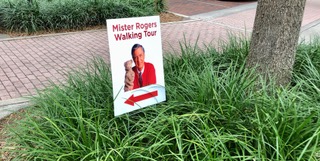
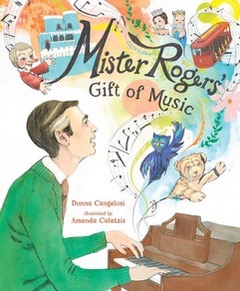
Back in 2016, I was on a quest to write a picture book biography about someone who helped kids, so I started a list and had an aha moment! I’ll write a story about Mister Rogers! It was before the documentary and the movie starring Tom Hanks, before his picture appeared on multitudes of Twitter posts, and before a string of beautiful picture books about him were published. The idea was fresh! I was thrilled! My research began.

First stop: primary sources. I needed to answer a few questions I always ask before I start writing.

  • Did the person face a challenge that children can relate to?
  • Did they grow as a result of the hardship?
  • What was the person’s long-term contribution and how will kids be inspired by it?
  • Has something similar been published before?

Then, the most crucial question:

  • Do I want to spend months and possibly years learning and writing about this person?

Mister Rogers checked all boxes and then some! Fred Rogers was sick, lonely, and bullied as a child. He used music to heal himself and then used it to help children. He trained with the child psychologists I had studied and admired for years. I immediately empathized with Fred’s childhood struggles. I related to his passion for music and helping kids express feelings. And when I read that his favorite quote from Antoine de Saint-Exupery’s, THE LITTLE PRINCE was the same as my own—”It is only with the heart that one can see rightly, what is essential is invisible to the eye”—I felt as though the stars had aligned. I was meant to write a picture book about Mister Rogers. And after years of research, writing, and revising, I signed my first picture book contract!

There have been many twists and turns on the road to publication. The original version of my book was cancelled, and I rewrote the story. I also worked with a new editor and illustrator. But my original hope for the book has never altered—to introduce kids to a person who faced challenges and turned them into something positive. My debut book, MISTER ROGERS’ GIFT OF MUSIC, illustrated by the amazing Amanda Moeckel-Calatzis, will be published by Page Street Kids on August 23, 2022!

Looking for helpers isn’t only a great way to come up with story ideas. It also lifts our spirits! So be on the lookout. You may find the perfect idea for a picture book to comfort, inspire, and help kids soar.

Donna Cangelosi fell in love with picture books when seeing the joy they gave her daughters years ago. Since then, she rarely misses a day of reading, writing, revising, or thinking about new stories. Donna considers herself lucky to have the opportunity to work with kids in her psychology practice and to write books to inspire them. Like Mister Rogers, she often helps kids deal with feelings that are hard to express with words using music, art, play, and of course picture books! Visit her at donnacangelosi.com, and follow her on Twitter @DonnaCangelosi2 and Instagram @dmcange.

Donna will be giving away one picture book critique.

Leave one comment below to enter.

You’re eligible to win if you’re a registered Storystorm participant and you have commented once below.

Prizes will be distributed at the conclusion of Storystorm.

by Dawn DeVries Sokol

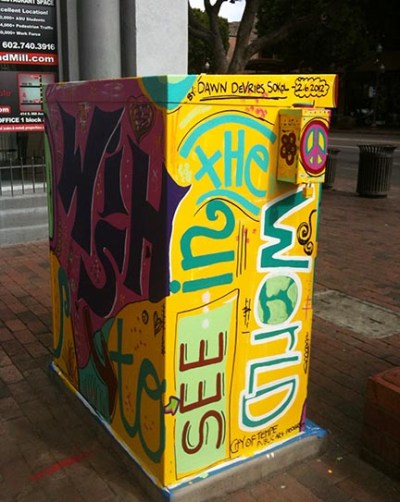
I spent a few days in 2012 painting a utility box for the City of Tempe in Arizona, my hometown. Six artists were selected to paint utility boxes along the downtown corridor and I was one of them. My submission was the quote “Be the change you wish to see in the world” (Ghandi).

I used my lettering skills to paint the quote as a wraparound of the box. I met people, homeless teens, those who worked in the downtown area, and those coming out of their condos and apartments in search of their morning coffee. I started at 9 a.m. each day and watched as the intersection came alive with pedestrians, supply trucks, and shops opening.

But now I think the quote should be reworded to: Be the change you wish to BE in your world.

We all have moments we think very little of ourselves, especially as creatives. I think we should all take a moment to SEIZE THE DAY.

Seize the Day and Be the Change…geez, I’m getting cliché. But think about it for a moment. Just when you’re feeling down about yourself and your own creativity is the moment you need to run with it—take the bull by the horns and just CREATE. It’s really that simple. Be George Constanza in “Seinfeld”: Do or say the opposite of what you would normally. You might find yourself in a much better situation. Instead of wallowing in it, suck it up and get out of the pool. Will yourself to create. Even if it’s just making a mark, gluing down random bits of papers, writing a phrase here and there, whatever.

So, the next time you find yourself unmotivated, less than confident, majorly uninspired, and feeling like the last thing you could be is prolific, FIGHT IT. Don’t surf the internet. Don’t ogle other artists’ or illustrators’ work and wish it were yours. Don’t mourn your creative spark. Simply grab a pen, just an ordinary black felt tip pen. And doodle. Doodle on white paper. Pick a shape, your favorite shape, and repeat it on the paper over and over. Big, small, abstract, uniform, etc. Now shade some of them in, outline others, go back over to make them more elaborate. Just DOODLE. Doodle words that pop into your head along with the shapes. If anything, you’re making your own mark, feeding your own spark. Even if it’s rudimentary. Even if it’s extremely uninspired. You’re doing it. And that’s ALL THAT MATTERS.

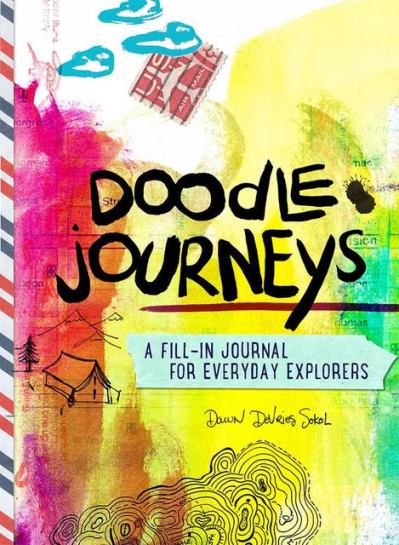
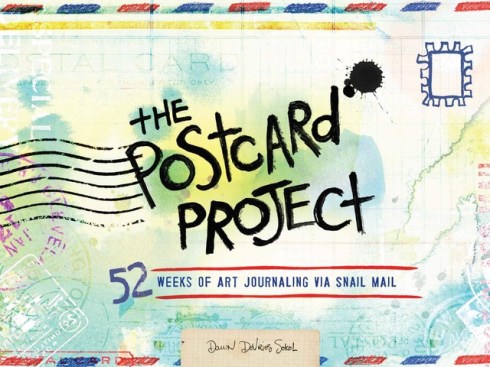
Always told she would be a writer, Dawn DeVries Sokol earned a bachelor’s degree from Arizona State University’s renowned Walter Cronkite School of Journalism and Mass Communication. But she yearned to create visually, and soon worked her way from editing newspapers to art directing magazines, such as America West Airlines Magazine—from which a feature she art directed landed in Print Magazine’s 2002 Regional Design Annual. For 10 years, she designed books for U.S. publishers such as Sterling Publishing, Gibbs Smith, North Light, Quarry, and The Countryman Press. Now a widely published author, artist, and illustrator, she lives and creates in her Tempe, AZ, studio with her dog, Lola. Dawn is represented by Louise Fury of The Bent Agency. Her latest book is THE POSTCARD PROJECT. Follow Dawn on Twitter and Instagram @dawndsokol and visit her at dawndsokol.com.

Dawn is giving away a copy of her latest book, THE POSTCARD PROJECT, to one random winner.

Leave one comment below to enter.

You’re eligible to win if you’re a registered Storystorm participant and you have commented once below.

Prizes will be distributed at the conclusion of Storystorm.
by Benson Shum

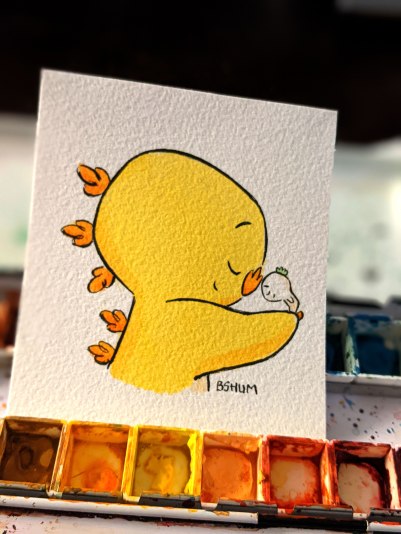
There are many ways to generate ideas. For me, sometimes it starts with an illustration. Sometimes it starts with a word, a line or a thought. Let’s start with the first. Whether you’re creating the illustration or have a painting that calls to you, there is almost always a story in it. If there isn’t, let’s create one. Start to ask questions. Think about every detail in the illustration.

  • What emotion does the painting give you?
  • Is there something interesting about the color palette?
  • How is the character posed?
  • What is their expression?
  • What situation are they in?
  • How are they feeling? and why? What are they wearing? Or not wearing?
  • Could this give insight into who they are?
  • Is there an environment? What does it tell us? where does it set the character in? Forest? A city? Is it a bustling city? or a slower paced location?
  • Could there be a possible conflict?
  • Conflict with their surroundings?
  • Conflict with self?
  • Conflict with another character?

Hopefully by the end, you will get a basis of WHO this character is, WHERE they’re from, WHAT is the possible problem and WHY. If not, that’s ok! We’ll try again, maybe we could add a character to it? Or look at the painting a different way. Maytbe place the character in a different environment. Create conflict. And start with the questions again!

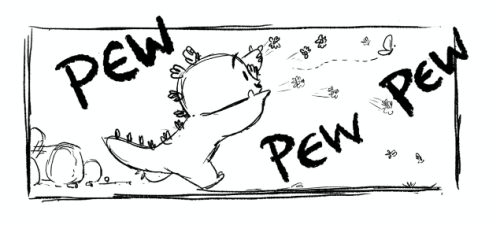
If we were to start with a word, a line or a thought. I’ll use the example from my book ANZU THE GREAT KAIJU. If you don’t know what a kaiju is, kaiju is a Japanese term for “giant monster” like Godzilla or King Kong. I’m a big fan of King Kong, Godzilla, huge robots, giant monsters in general that tower over cities. So I wanted to take a twist on it. And started to ask “What if” questions. The thought or line for this story was “What if not all kaiju want to destroy?” That was the seed of the story.

  • What if Anzu comes from a family legacy of destroyers?
  • What if Anzu was different?
  • What if Anzu’s superpower wasn’t like his families?
  • What if Anzu’s power was kindness and gentleness?
  • How does that make Anzu feel?
  • How does that make his family feel?
  • What happens when his family finds out?

These are some of the exercises I use when trying to come up with story ideas. Even if the idea or solution doesn’t make complete sense, jot it down. You can always delete/erase it. But what it does do is get the idea out of your head and onto paper, which leaves more room for new ideas. Thank you for listening to me ramble! I hope it was helpful!

Benson Shum is a children’s book Author/Illustrator and Disney Animator. He uses watercolor, ink and digital tools to create his illustrations. Aside from writing and illustrating, Benson is also an Animator at the Walt Disney Animation Studios, where he was a part of such films as Frozen, Big Hero 6, Zootopia, Moana, Frozen 2, Raya & the Last Dragon and Encanto. Originally from Vancouver, British Columbia, Benson now lives in Los Angeles, California. Follow him online at bensonshum.com, and on Twitter, Instagram & Facebook as bshum79.

Benson is giving away a copy of ANZU THE GREAT KAIJU, an art print, and stickers to one random winner.

Leave one comment below to enter.

You’re eligible to win if you’re a registered Storystorm participant and you have commented once below.

Prizes will be distributed at the conclusion of Storystorm.
by Carter Higgins

Let’s take a fresh look at once upon a time and the end, okay? You’ve heard the words, you’ve said the words, you’ve written the words (and triumphs, all!)—but what do they look like visually? Endpapers.

Endpapers are the pages that are glued to the case of a hardback book, sticking the book block into place. We all know how valuable the real estate is within the pages of a picture book, whether writing or illustrating. How perfect to have this extra space! A visual bonus of once upon a time and the end.

Let’s use this physical quality to reverse engineer ideas for picture books. You don’t need to be an illustrator, I promise. We’re just imagining how to smoosh a story in between two made-up visuals. Ready?


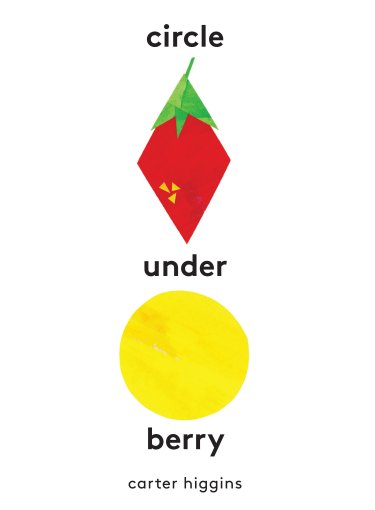
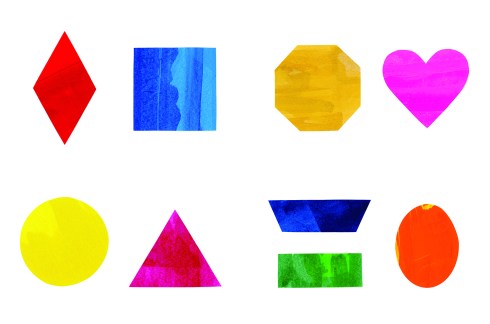
CIRCLE UNDER BERRY plays with perspective and position thanks to nine base shapes that transform and rearrange. It’s a bit like a puzzle, both in its pictures and poetry. That yellow thing on the cover? Sometimes we call it yellow. Sometimes circle. And one page turn reveals it to be something entirely different.

Here, then, are the endpapers. A hello! And ending with a look at what you did! It’s the surprise of the whole book in a nutshell.

Maybe the initial endpapers show a sunset and the back endpapers are the night sky. What happens in between? What if it’s squeaky clean sneakers in the front and muddy tracks in the back? How? Why? What’s the story in between?

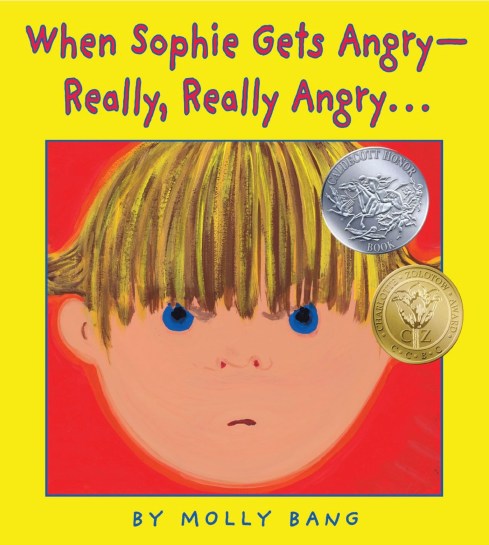
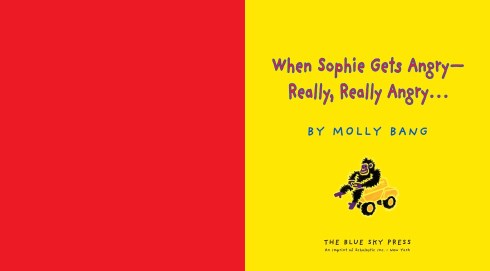
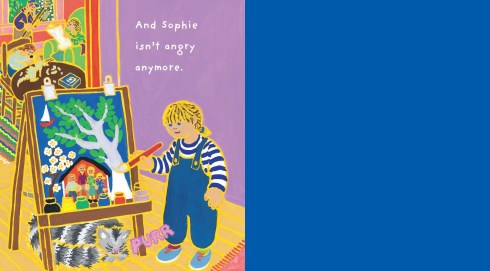
WHEN SOPHIE GETS ANGRY—REALLY, REALLY ANGRY is one of my favorite picture books. Beginning with the endpapers, Molly Bang uses color to effectively mirror the emotions Sophie experiences in the book. It’s immersive as a reader and impossible to not feel how Sophie does.

The initial endpapers: red. Hot, angry, outburst-y red. And at the end? Blue, calm, peaceful ease. Perfect bookends for the story, and I imagine you can understand the action inside—even if you’ve not read the book.

(Just a note here: these pictures are from the ebook version. I’m almost certain the hardback edition has an entire additional spread of both red and blue endpapers at the front and back, a separate-ended book.)

So, what kind of story would be framed between two bright pinks? Inky blacks? Whispers of lavender? Or what if it’s the opposite of Sophie’s—what if the beginning is blue and the end is red? What happens when rusty brown turns to mossy green? Or vice versa?

What about a pattern? Here’s one of mine.

What if this pattern was printed in both the front and back? What if you rotate this pattern ninety degrees or change the color? What story could be anchored by those shapes or lines or colors? Knitting that belongs to a giant? Something Valentine-y?

Or try this. What’s an object near you: a fork? A kitty? A hammer? If one of those things were illustrated and repeated in a pattern on endpapers, what kind of story would be in between? Two of those objects? All of them?

What if the endpapers at the beginning are mostly the same as the end, but with one significant change? What type of story could support that visual? Here’s a favorite: the opening endpapers of THE ADVENTURES OF BEEKLE: THE UNIMAGINARY FRIEND. And the ones at the end are revealed here. A perfect summary of the story if all you read were those two pictures.

A visual once upon a time and a visual the end. What’s in between?

(One extra thing. When you share picture books with kids, slow down for the endpapers. There’s often some extra story for keen observers. And when you do, here’s a joke that always lands. Tell them you’re ‘just not sure why the ones at the front of the book aren’t called beginningpapers,’ and then wonder out loud why they never asked you. Good giggles, every time.)

Carter Higgins is the author of many books for young readers, including Everything You Need for a Treehouse, an NPR Best Book of the Year, This is Not a Valentine, a Kids’ Indie Next List selection, and the chapter book series, Audrey L & Audrey W: Best Friends-ish. Her first book as both author and illustrator, Circle Under Berry, was named a Best Book of 2021 by Publisher’s Weekly, Smithsonian Magazine, and The Wall Street Journal.

Carter is a creative storyteller who designs playful experiences around visual literacy and believes the wit of kids’ language is the best poetry of all. She is an Emmy-winning visual effects and motion graphics artist and spent a decade as an elementary school librarian. You can find her on Twitter and Instagram @carterhiggins or online at carterhiggins.com.

Carter is giving away two signed copies of CIRCLE UNDER BERRY to two winners.

Leave one comment below to enter.

You’re eligible to win if you’re a registered Storystorm participant and you have commented once below.

Prizes will be distributed at the conclusion of Storystorm.

by Lynne Marie

For me, ideas often come in a brainstorm, which is why Storystorm month is one of my very favorite times of year! It’s an April shower for writers! But getting the ideas flowing is just the start of the process—they are seeds. Plant as many as possible—hopefully 31! Gently push them beneath the earth, give them sunshine, water, fertilizer, time, and let them grow! If, after some time, all or many peek through the earth and sprout into flowers, that’s great! But here comes the hard part. Which one do you pick?

It would be nice to pick a bouquet of ideas, but that’s just not feasible. When writing with an eye toward publication, focus can be key. So to maximize your success, you may want to pick the idea or top ideas that are most viable to focus on. How do you do that?

The first way is the Three Hooks Test. Make a list for each idea you are considering. Here are some examples…

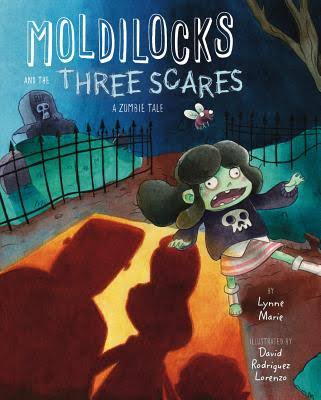
For MOLDILOCKS AND THE THREE SCARES, illustrated by David Rodriguez Lorenzo (an actual PiBoIdMo 2015 idea!), I had an idea which was (1) a fracture of the Goldilocks and the Three Bears tale that had not been done before, (2) monsters, which are always a fan favorite for kids, (3) a clear Halloween tie-in, and (4) a unique angle for the tale in that it showcased a blended, diverse monster family and nodded to fostering/adoption.

For LET’S EAT! MEALTIME AROUND THE WORLD, illustrated by Parwinder Singh (Beaming Books, 2019), I had a non-fiction project that (1) explored the world, (2) showcased diverse children, and (3) shared the food that they eat. Another hook is market—kids on the younger end of the target age group can enjoy the text and it has sidebars that level up a bit to older readers.

For AMERICAN PIE, illustrated by Dea Lenihan (coming April 14, 2022), I had (1) a unique and accessible story about how to celebrate the Fourth of July, (2) a friendship tale, and (3) a food-related problem-solving component with an easy recipe for children to make.

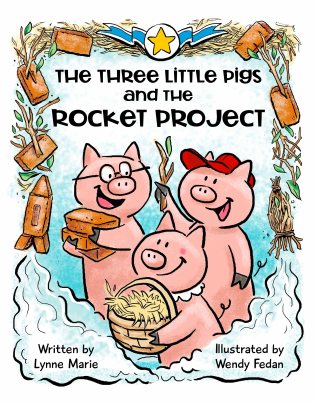
For THE THREE LITTLE PIGS AND THE ROCKET PROJECT, (coming January 15, 2022), I had (1) a fun STEM component, (2) a unique fracture of The Three Little Pigs tale in which they get to build with their associated materials, and (3) a bullying/friendship aspect.

Of course, it is important to make your hooks as strong and clear as possible. Many authors even weave them into the title!

Think of it this way, when your book is considered, the publisher and even the bookstore buyers they consult, will need to know what the hooks are. When will they release the book (is there a specific seasonal tie-in)? Is there a holiday, anniversary, timeliness or other tie-in? Where will the book be placed? For example, with holiday books, books about a certain topic or event, STEM books, or books about a specific culture? WHAT ARE THE HOOKS?

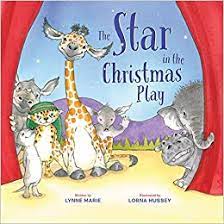
The second way is the Has It Been Done Before? test. Research the market. Read, read, read! Read up to 100 books on the topic and theme to see if your idea is fresh and unique. For example, for THE STAR IN THE CHRISTMAS PLAY, with art by Lorna Hussey (Beaming Books, 2017), I read close to 100 picture books on the topics of nativity plays, Christmas, giraffes, self-esteem, body image, and school plays. I realized that my idea had not been done before and was viable. I wrote it and revised it many times, then put it away. And when Sparkhouse Family (now Beaming Books), had their 1st annual picture book contest, I took it out, dusted it off, explored their catalog, revised again, then submitted. This resulted in a sale. For more of my process with this book, you can watch this.

This reading research will prove valuable, so take extensive notes. Titles, themes, topics, publication date, publisher. These will tell you if the idea has been done before, whether the story had a similar theme, which publishers have already done a similar idea and when they had done it, and more! You will be surprised at how much you can learn about what to do and what not to do by reading similar books. It will help you to craft an idea that will stand up and out against the rest!

But for now, just write down those 31 ideas. Dance in the Storystorm rain and don’t stop til you’re done! Hopefully, good things will come of it!

Lynne Marie is the Owner and Administrator of rateyourstory.org and thepicturebookmechanic.com. She is the Spotlight Feature Editor at Children’s Book Insider and a CYBIL Fiction Picture Books and Board Books First Round Judge since 2016. She is the author of Hedgehog Goes to Kindergarten (Scholastic 2011), Hedgehog’s 100th Day of School (Scholastic 2017), The Star of the Christmas Play with art by Lorna Hussey (Beaming Books 2018), Moldilocks and the 3 Scares (Sterling/Scholastic 2019), Let’s Eat! Mealtime Around the World (Beaming Books 2019), The Three Little Pigs and the Rocket Project (Mac and Cheese Press 1/2022), American Pie (Dancing Flamingo Press 4/2022), There Was a Blue Whale Who Tangled with Plastic (Dancing Flamingo Press 4/2023) and another forthcoming. She currently lives on a lake in South Florida with her family, a Schipperke named Anakin and several resident water birds. Visit her at LiterallyLynneMarie.com. Lynne Marie is represented by Marisa Cleveland of theseymouragency.com.
Lynne Marie is giving away a digital copy of one of her books AND a ½ Zoom Consultation which can be used for a critique, mentoring, or career consultation. One winner will be chosen for both prizes.

Leave one comment below to enter.

You’re eligible to win if you’re a registered Storystorm participant and you have commented once below.

Prizes will be distributed at the conclusion of Storystorm.

It all began with “archipelago.”

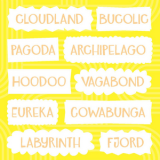
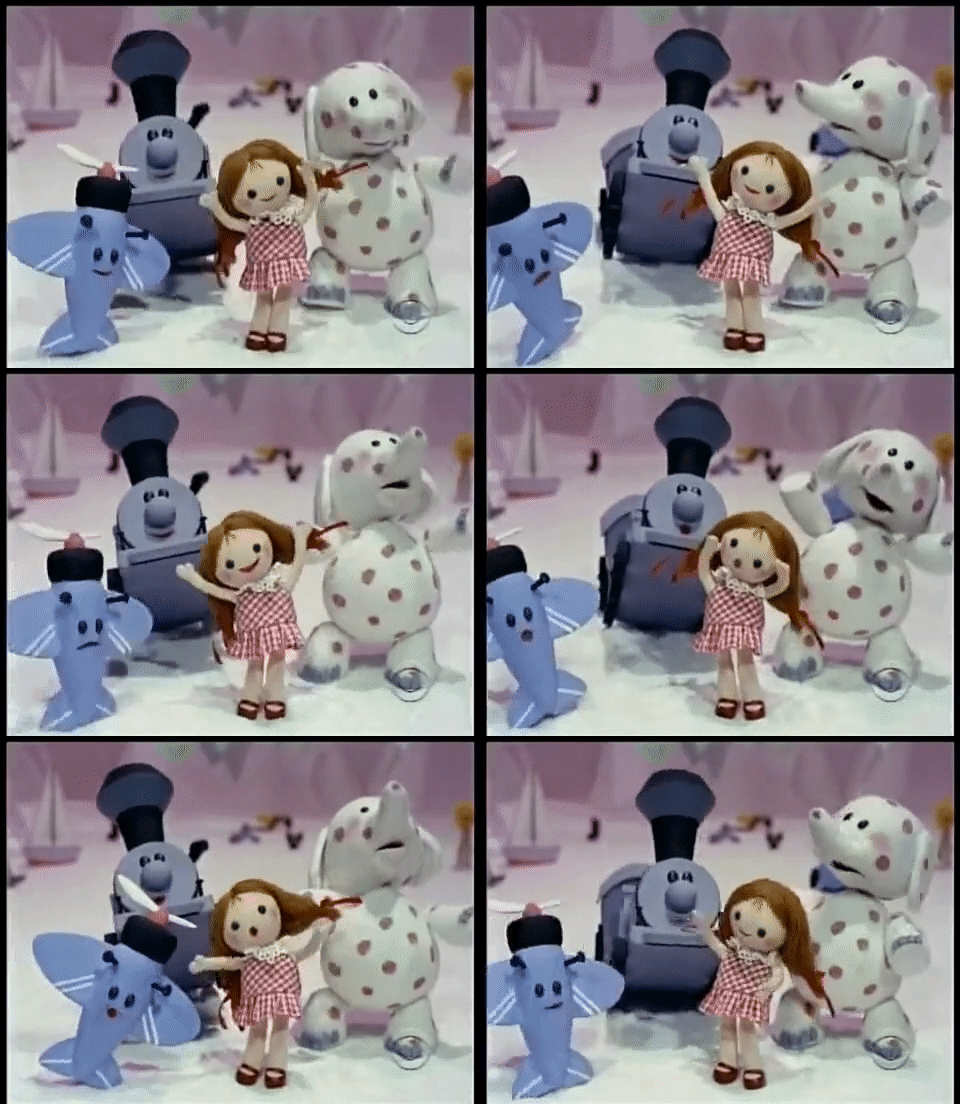
You remember “Rudolph the Red-Nosed Reindeer,” right? The stop-motion animation special remains a beloved holiday favorite. If you recall, the Island of Misfit Toys existed in a far-off ARCHIPELAGO, and as a child, “Rudolph” exposed me to that word for the first time. ARCHIPELAGO felt mysterious and magical, this secret land where sentient toys longed to be played with and loved. “I’ll love you!” I shouted at the TV.

That warm, fuzzy feeling of childhood resurfaces every time I hear the word “archipelago.”

Then, a few years ago while I was reading, I stumbled across “archipelago” and immediately wrote it down. I wanted to keep it close.

This practice of jotting down words quickly became habit—I recorded every crazy word that made me feel something light and fun, every word that delighted my tongue. Soon I had a list of over a hundred words. And then, knowing how the internet loves lists, I threw it up on this website as “List of 200+ Fun, Cool and Interesting Words.

Through the years, I’ve added to that list. It exploded to over 500 words. And then it became the single-most accessed page on my site (yes, even more so than the picture book page layout post).

Thousands of people visited my site every month just to peruse “the word list.” Now, you’d think they’d buy a book while here, but NAH. As I’m sure many of you authors have learned, just having a website doesn’t guarantee book sales. (Oh, how I wish it were that easy!) So I thought—I should make the list into its own book! BUT HOW???

Of course, the words should be defined. And used in silly sample sentences. With cartoons. Yet, a plain dictionary isn’t very fun to read. But fun facts are entertaining to read (after all, they’re not called “boring facts”)! And organizing the words into common themes meant the entire thing didn’t have to be a list from A to Z…

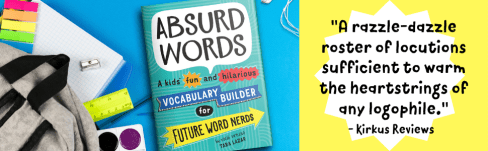
After YEARS of collecting words, researching their origins, grouping them and sharing the coolest nuggets of I-can’t-believe-that info, ABSURD WORDS is FINALLY HERE! Today is publication day!

This is where ONE WORD can take you.

As I write in the introduction for ABSURD WORDS, words equal power. Every single word in this book had some kind of power that made me include it. And by “power,” I’m talking about the strength to make me FEEL. Each of these words plucked my heartstrings in some profound way.

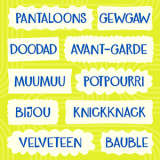
MUUMUU reminds me of my grandmother, preparing my favorite meals in her kitchen.

LABYRINTH reminds me of that frustratingly exciting wood-and-silver-ball maze I would play with my best friend.

BAUBLE reminds me of the chest of costume jewelry I dug through while playing dress-up.

Yes, these words are fun to say, and they’re unusual enough to add sparkle to a picture book manuscript…but they also evoke a certain emotion. And picture books are about evoking emotion. A good picture book makes the reader FEEL. The character in the book has grown through the tale, but hopefully, so too has your reader.

You might think this Storystorm post is all about getting you to use uncommon, interesting words in your manuscripts. While that’s an idea I endorse—using a difficult word in context helps young readers understand new vocabulary—that’s not the point here.

I’d like you to find words that make you FEEL, and then run with that emotion. What scenario does that word conjure for you? Can you create a story about it?

I encourage you to use words that evoke the mystery and magic of an archipelago!

I am giving away an hour Zoom call to anyone for any reason. We can talk about publishing, picture books, figure skating, the legacy of Betty White, anything!

Leave one comment below to enter.

You’re eligible to win if you’re a registered Storystorm participant and you have commented once below.

Prizes will be distributed at the conclusion of Storystorm.

by Tammi Sauer

Over the years, I have shared all sorts of ways to come up with ideas for the Storystorm crowd…start with a title, celebrate the weird stuff in life, mine your childhood, play with structure….

When Tara asked me to write a post this time around, I was worried. Did I even have another idea on getting ideas?!

Then I realized that both of the books I have coming out February 2022 serve as a fresh way to come up with new ideas. Yay me for inspiring me!

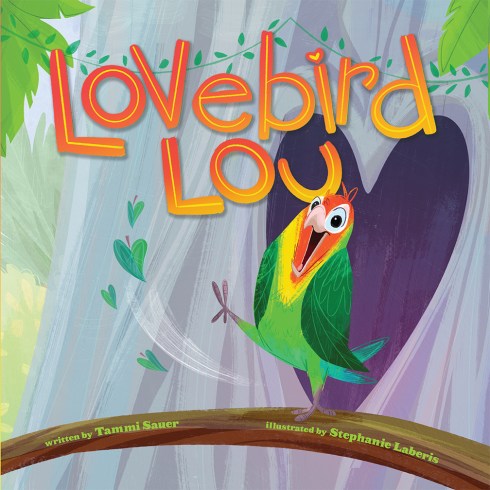
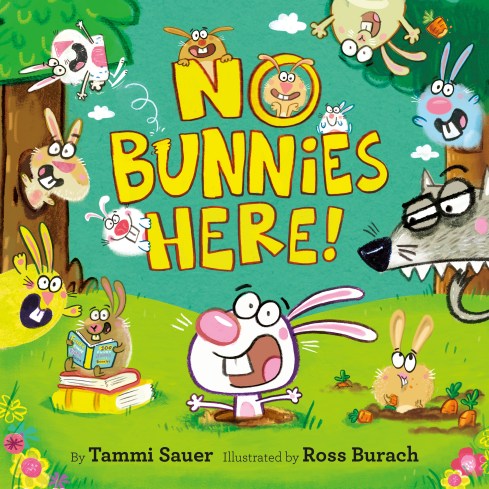
LOVEBIRD LOU (Sterling), illustrated by Stephanie Laberis, is about the appreciation of self, family, and community. NO BUNNIES HERE! (Doubleday Books for Young Readers), illustrated by Ross Burach, is about not making assumptions about others. Both books are filled with humor, heart, and ridiculously adorable characters.

But these books have another thing in common! They each have a holiday hook! LOVEBIRD LOU is a perfect fit for anytime of the year—but it’s especially lovely for Valentine’s Day. NO BUNNIES HERE! is a super fun read on any day—but it’s especially wonderful for Easter.

Did I set out to write a Valentine’s Day book or an Easter book? NOPE! Do these books tie in nicely with those holidays? YUP!

**Please note the more hooks your book has, the more likely it will snag an agent/editor/book buyer/reader!**

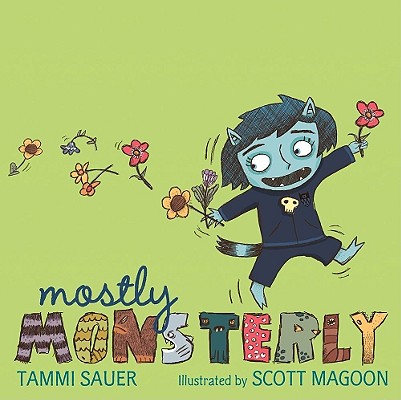
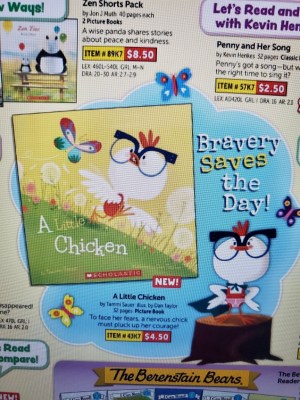
In addition to these sorts of books landing in seasonal displays in bookstores, there’s another bonus to having a book with a holiday hook. Sometimes these very same books will get picked up by Scholastic and appear in Scholastic Reading Club Flyers. MOSTLY MONSTERLY, illustrated by Scott Magoon, was in October flyers. The monster stuff made it a nice addition to Halloween books. A LITTLE CHICKEN, illustrated by Dan Taylor, made it into March/April flyers. Why? Well, that little chicken was a nice fit for spring/Easter books.

THIS IS MY CHALLENGE FOR YOU:

Choose three holidays or seasons. Brainstorm characters or situations that have some sort of connection to each of those holidays or seasons.

TIP:

To give your book idea even more of a hook, try not to include the mentioning of the specific holiday in the title. We want people to want your book all year long.

TO EARN BONUS POINTS FROM ME:

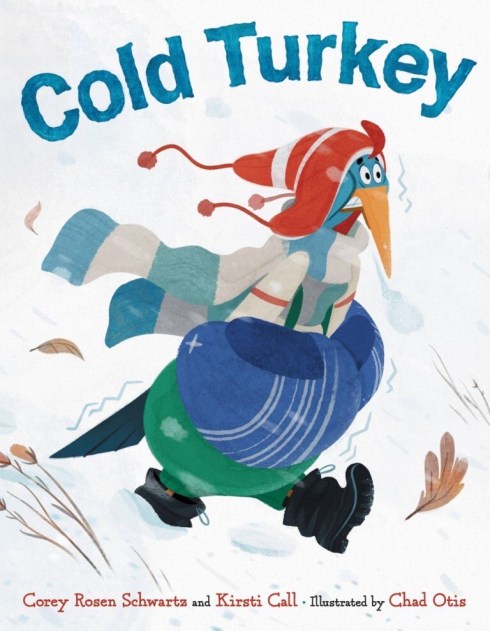
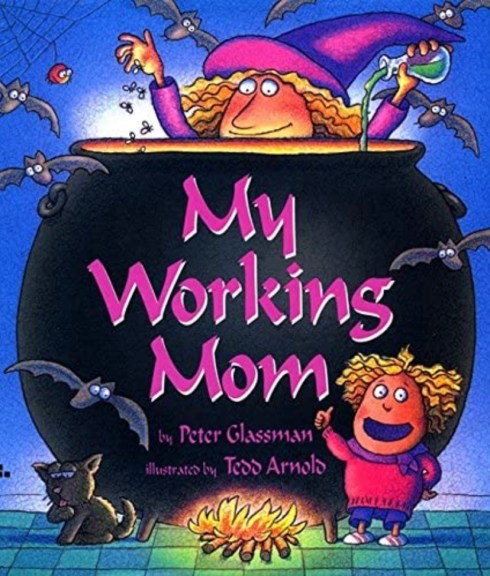
Have a book idea hook into two holidays and/or a season. MOSTLY MONSTERLY, for example, ties into Halloween and Valentine’s Day. Read the book to see what I mean. MY WORKING MOM, written by Peter Glassman and illustrated by Tedd Arnold, is another example. It ties into Halloween and Mother’s Day. Want another example? Okay! Check out COLD TURKEY written by Corey Rosen Schwartz and Kirsti Call and illustrated by Chad Otis. It ties into Thanksgiving and winter.

Happy holidays, everyone!

Tammi Sauer, a former teacher and library media specialist, is a full-time children’s book author who presents at schools and conferences across the country. She has more than 30 published picture books and has many others on the way. Her books have received awards, earned starred reviews, made lists, been made into musicals, and been translated into many different languages. Most importantly, kids really like her books! To learn more about Tammi and her books, please visit tammisauer.com and follow her on Twitter at @SauerTammi.
Tammi is giving away three prizes to three separate random winners—a copy of each of her new books and a picture book critique!

You’re eligible to win if you’re a registered Storystorm participant and you have commented once below.

Prizes will be distributed at the conclusion of Storystorm.

The year we’ve had…again…so I’m going to try to gloss over it quickly.

There, I’m done!

As writers, we must continue to swim forward, like a shark. No looking back. There are new ideas on the horizon!

And thus, we come to another installment of everyone’s favorite creative exercise: STORYSTORM!

Welcome to STORYSTORM 2022 Registration!

Five years ago I changed the name and month of my annual writing challenge, from Picture Book Idea Month (PiBoIdMo) to STORYSTORM. Why? Answer’s here.

Although this challenge begun as a picture book writer’s event, any writer interested in brainstorming new story ideas in January is invited to join the STORYSTORM challenge of 30 ideas in 31 days. Any genre, any style; student, amateur, hobbyist, aspiring author or seasoned professional.

How does STORYSTORM work? It’s simple…

  • Register.
  • Read the daily posts on this blog, beginning January 1st.
  • Write down one (or more) story idea daily. (Do not share that idea with anyone.)
  • At the end of January if you have at least 30 new ideas, you can sign the STORYSTORM PLEDGE and be eligible for PRIZES.

So are you ready? Follow these steps:

  • Register ON THIS BLOG POST by signing your name ONCE in the comments below. Full name, nickname, whatever name you’ll use for the entire event.
  • Teachers participating with a class can register under the teacher’s name.
  • Please leave ONE comment ONLY. Do not reply to say “hi” to a friend. Do not comment to fix a mistake. ONE COMMENT. Don’t worry if it isn’t perfect.
  • Registering makes you eligible for prizes.
  • Visit this blog daily (taralazar.com) in January for inspirational essays by guest bloggers—professional authors, illustrators and experts in creativity.

Instead of visiting the blog directly, you can receive the daily posts via email by entering your address and clicking the “Follow Tara’s Blog” button in the left column—look under my photo for it.

At the end of January, if you have at least 30 ideas, sign the STORYSTORM PLEDGE (to be posted on January 31) and qualify for prizes.

Prizes include agent feedback, signed books, original art, writerly gadgets and gizmos.

Remember, do not share your ideas publicly in January. They are YOURS. No need to prove that you have them at the end of the month. The pledge you will sign is on the honor system.

Are you in? Awesome. Optionally, pick up your Official Participant badge (by Susie Ghahremani) below and affix it to any social media account you wish. (Right click to save to your computer, then upload it anywhere.)

You can also opt to join the STORYSTORM Facebook discussion group. Everyone needs writing friends!

The Facebook group remains a year-round source of writing information and support, mostly focused on picture books, I admit, because that is where this all began.

STORYSTORM registration will remain open through JANUARY 7th.

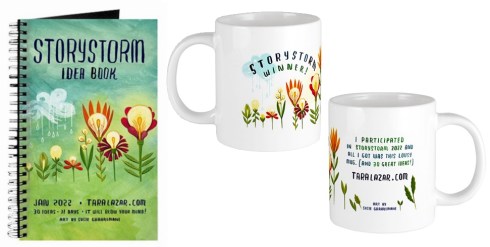
In the meantime, head over to STORYSTORM SWAG CENTRAL to pick up your official journal. All proceeds from sales ($4 per item) will be donated to children’s hunger charity Blessings in a Backpack. This past year, we donated $1,000!

Thank you for joining, and let’s have a month filled with creativity and fun!

Like this site? Please order one of my books! It supports me & my work.

FLAT CAT is the winner of multiple state book awards, selected by kids!

Enter your address to receive this blog via email.

Join 14.6K other subscribers

My Books

Blog Topics

Archives