You are currently browsing Tara Lazar’s articles.
I’m a sucker for monsters.
And in Aaron Zenz’s new picture book, monsters are suckers for suckers.

When Aaron told me about MONSTERS GO NIGHT-NIGHT, I have to admit, I got a bit panicked. I have a bedtime book coming out, too! But leave it to Aaron to create a fresh and giggle-worthy take on the bedtime ritual. We may have written on the same subject, but his book is a monster all its own. A snuggly one.
On first glance, if MONSTERS GO NIGHT-NIGHT seems like just another going-to-bed read, you’d be monstrously mistaken. Yes, like children, monsters like to eat bedtime snacks, put on pajamas and give kisses. But…monsters do it in their unique monster way.
The page turn surprise is key to the humor in this book. The child reading the book is told “Monsters eat bedtime snacks” and is then presented with a range of delectable options–milk, bread, carrots or an…umbrella? You must turn the page to find out what the monsters prefer.
There are many monsterly midnight conundrums to solve. What kind of pajamas do monsters wear? What do monsters snuggle with? What do monsters take baths with?
You guessed it, chocolate pudding! (Pass the whipped cream shampoo, please.)

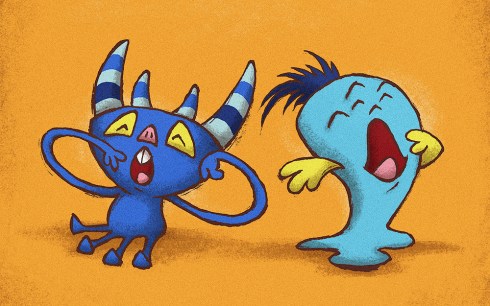
The illustrations use contrasting colors to POP those adorable creatures right off the page. There’s a blue monster on an orange background, a yellow monster on a purple background. While the monsters are bright and bold, there is also something soft and lovable about them. Maybe that’s because of the monsters’ creator…and I don’t mean Aaron. I’m talking about Elijah. Who’s Elijah, you ask? Watch this:
.
Parents, MONSTERS GO NIGHT-NIGHT is my new top-rated pick for bedtime with toddlers and preschoolers. If you aren’t snuggled up with a tuba by book’s end, I guarantee you’ll be cuddling with your own little monster.
Night-night!
Win a copy of MONSTERS GO NIGHT-NIGHT! Just leave a comment below. One comment per person, US addresses only, please. A winner will be randomly selected in early September. Good luck!

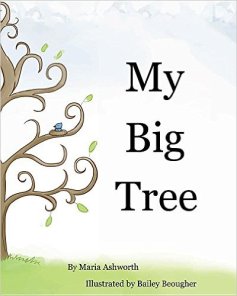 Maria Ashworth is a dedicated children’s book writer who has just released a big new venture, a picture book entitled MY BIG TREE, illustrated by Bailey Beougher. What makes this book different than the ones I typically feature? It is with a smaller, independent publisher…but it has led to big things for Maria’s career. (You note the theme is BIG here, right?)
MY BIG TREE features a sweet little blue bird who has found a favorite place to nest in a big, swirling tree. Soon other animals think it’s the ideal place to be, too. The little blue bird isn’t ready to share her space and decides it’s no longer the “best tree to nest in.” She finds a new tree, but something is missing. In the end, the little bluebird realizes there is one thing more valuable than nesting in her favorite tree…
Maria, what inspired you to write this book?
I wanted to challenge myself to write a concept book with a message. An idea came along where what if there was a bird who had something she loved, a big tree. And then what if everyone thought it was their favorite tree too. Would bird be happy sharing…???
The dog in the story doesn’t have a speaking role in this production, so how did he come to be?
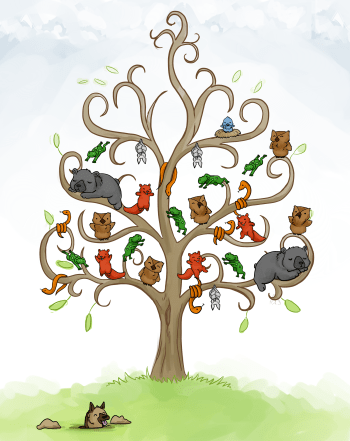
At first I had the animals in the tree and was satisfied. The illustrator perfected a dog in her portfolio so I thought, huh, wouldn’t it be neat to add a dog in each page doing his own thing? It would get the reader curious, maybe even make them suspect the dog was up to no good, especially near a big tree. But he is just a dog doing his thing on every page with no real purpose other than to create more curiosity surrounding the big tree.
What do you want kids to take away after reading MY BIG TREE?
The message is about friendship but also that materialistic things are not what is important in life. Building relationships with others, having friends is what matters. Toys and things are just stuff. They are a temporary happy. Relationships are forever and can last a lifetime.
Your book has a classic feel. It’s a friendship book, a counting book and a search-and-find book. How would you describe it?
It has a BROWN BEAR, BROWN BEAR feel with a hint of Handford’s WHERE’S WALDO? books, but aimed at the younger set. I wanted the animals to be placed randomly throughout the book so kids would have fun finding the animals in the tree. Then at the end, the animals join together in their grouping so children can make sure all the animals are accounted for. And I snuck in some chicks so they’d better not miss those!
This book is with the Spork imprint of Clear Fork Publishing in your home state of Texas. Can you tell us how you decided to self-publish at first and then sign with them?
My critique group enticed me into self-publishing. I have a couple of gals who are gurus in the self-publishing market. One of them is Indie and boasted how being an independent author reaps more benefits. I felt I had put in my time into the writing world and was salivating to get myself out there. To date, I’ve accumulated a hundred and seventy-five rejections from my submitted work. I’m a salesperson by nature and knew I could do it myself instead of waiting on rejections.
So I was all ready to self-publish MY BIG TREE–I found the perfect illustrator and had my finger on the “send” button to the printer…but then I went to my first Texas Library Association conference. I met an editor from Clear Fork and we grabbed coffee together. I told the editor about MY BIG TREE, which she loved, and offered to be my publisher. She also asked what else I had stirring in the pot! It’s all a fairy-tale ending after that, with a multi-book deal. IGGY LOO is coming out this winter, with TOMMY JAMES, THE LITTLEST COWBOY IN RECKON’ series following next year. I am blessed.
What are the advantages to working with a small publisher in your own backyard?
I see for ME a BIG advantage and that is I am asked my opinion on everything. Right down to who I see as an illustrator for the book to the vision and look of my characters. I’m not sure it’s this way with all small press editors. Matter of fact I know it’s not, because a writer friend is with a small press and doesn’t have the same relationship I do. I think after seeing the work I put into MY BIG TREE she saw my vision as a writer. The editor and I hit it off like sisters. Joining forces with her felt right. The publisher is only three years old. I want to make them just as much as a success as I hope to be for them.
Congratulations, Maria. Your experience just proves that it pays to keep writing…and always have more than one story ready to go. You never know when someone will ask for MORE! Best wishes with THE BIG TREE and your upcoming titles.
Hey, BIG NEWS! You can win a copy of MY BIG TREE, just leave a comment below. What BIG things are you planning for your writing career? One comment per person. US addresses only, please. A winner will be randomly chosen in early September.
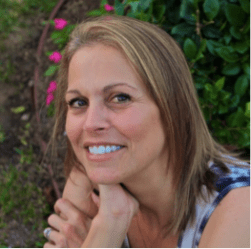 Maria Ashworth volunteers her time when she’s not writing for the Maud Marks Library Friends Board in Katy, Texas where she serves as President, as well as a Member-At-Large for the Friends of the Harris County Library. She’s a member of the Society of Children’s Book Writers and Illustrators. Some of Ms. Ashworth’s picture books and middle grade novel manuscripts have been nominated as finalists in several contests. She’s published a handful of short stories through contests and a women’s anthology. Visit her at MariaAshworth.com.
 by Karlin Gray
What do I know about writing nonfiction picture books?
After my book NADIA: THE GIRL WHO COULDN’T SIT STILL was published, someone said to me, “Great timing with the 40th Anniversary of the Perfect 10! How smart of you to write that book now!”
Um, no. Well, yes . . . but then no.
Four years ago, my writing instructor discussed nonfiction picture books in class. I couldn’t remember reading any when I was a kid so I thought back to my five-year-old self. Who or what fascinated me? If I could have read a picture book about any person or subject, what would it have been?
Well, in 1976, I was just a 5-year-old girl who loved gymnastics. (I mean, I was terrible at it but I LOVED it.) So, duh! Only one answer popped into my head—Nadia Comaneci.
That was smart—asking kid Karlin what she wanted to read. Someone else at my publisher was smart enough to look into the future and see the marketing stars align.
While working on my book, I didn’t pay attention to the dates of the next Olympics. I didn’t know that it would be the 40th Anniversary of Comaneci’s historic 10. (Math’s not really my thing.) I didn’t even know if my book would find a publisher! The only thing that I knew was that kid Karlin would have flipped for a picture book about Nadia Comaneci.
So, that’s the book I wrote for kid Karlin . . . and grown-up Karlin loved every minute of it!

Here are some fellow writers sharing what they have learned about writing nonfiction picture books.
Audrey Vernick, author of THE KID FROM DIAMOND STREET:
 I write both fiction and nonfiction. In the beginning, I thought the only place for voice was in fiction, and it’s probably where I feel more comfortable experimenting with it. But it’s totally worth the time to play around and explore unexpected possibilities because when a truly unique voice emerges, oh my! Finding Winnie: The True Story of the World’s Most Famous Bear by Lindsay Mattick wasn’t only beautifully illustrated by Sophie Blackall–what a story! Other examples that come to mind are Phil Bildner’s Marvelous Cornelius, illustrated by John Parra; Swan: The Life and Dance of Anna Pavlova by Laurel Snyder, illustrated by Julie Morstad; and, because I can’t resist a baseball book, The You Never Heard of .. ? books written by Jonah Winter.
Susan Hood, author of ADA’S VIOLIN:
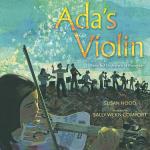 Don’t be afraid to ask for help. In my experience, experts, scholars, curators, producers, reporters, and authors of adult books on your subject are more than happy to consult with you. Your passion is their passion! I offer them acknowledgement in the book, but make sure to ask permission to list their names and/or work. Kate Messner wrote an eye-opening blog about this: “Think Before You Thank.” I wouldn’t have dreamed that a public thank you might compromise someone professionally, but it might. So go ahead, ask for help, but ask for permission to use their names as well.
Maria Gianferrari, author of COYOTE MOON:
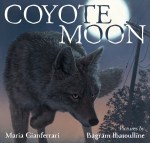 When you’re doing your research and note-taking, keep a list of “cool facts.” You might not have a place for them in your story, but they’ll be perfect for back matter! Think of a creative and engaging way to organize and present the material. For example, you might present the back matter in how-to form. I did this for one of my nonfiction books using How To Swallow A Pig: Step-by-Step Advice From the Animal Kingdom by Steve Jenkins and Robin Page as a mentor text. A cool fact could also be a hook for beginning your story.
Nancy Churnin, author of THE WILLIAM HOY STORY:
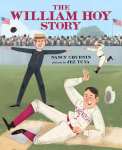 Engage, learn from and share the journey with people who know and care deeply about your subject. I could not have written The William Hoy Story without the help of Steve Sandy, a Deaf man who is a friend of the Hoy family, and was able to answer questions about small details of William’s life while giving context about what it was like to grow up as a Deaf person in the late 19th century. Steve’s help continued after publication as he and his wife, Bonnie, have been amazing supporters of the book. I am also profoundly grateful to National Baseball Hall of Fame announcer Eric Nadel, a Hoy fan, who has written about him for adults. Eric advised me on baseball details, and has also been a fantastic supporter of the book.
Laban Hill, author of WHEN THE BEAT WAS BORN:
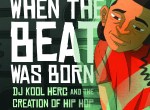 What I’ve learned from writing nonfiction picture books is that the stories are about people and their emotions first and the facts are secondary. That does not mean you can make up facts, but that the motivations and fears and aspirations of the people involved reveal how the facts fit in.
.
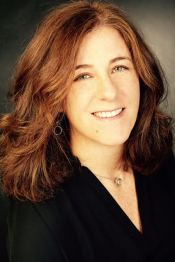 Thanks for all the non-fiction tips, Karlin!
In honor of Nadia Comaneci’s 40th Anniversary of the Perfect 10 and the 2016 Rio Olympics, we are giving away a copy of THE GIRL WHO COULDN’T SIT STILL. Simple comment below to enter. One comment per person, US addresses only, please.
Karlin Gray is the author of NADIA: THE GIRL WHO COULDN’T SIT STILL and runs a weekly Q&A blog with writers about their first picture books. You can find her at karlingray.com, @KarlinGray or on Facebook.
Enjoy watching the Olympics and check out the schedule on NBC.
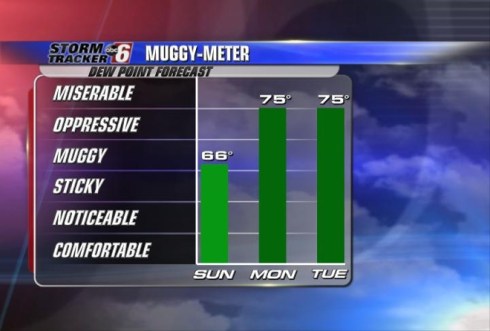
The humidity whacks me in the face each time I step outside, so yeah, it’s August. Already.
Every summer I entertain grandiose plans to write outdoors while enjoying a picnic of luscious home-made ciabatta sandwiches and baked goods the likes of which would make The Barefoot Contessa swoon. I buy light, airy dresses, relish being barefoot in the cool grass and imagine the stack of manuscripts I will have completed, polished and prompting auction offers…
And then August smacks me upside the head. Already.
Nasty, vile August. Why do you curse me so?! You let my children out of camp teeming with bug bite scabs, force me to endure three-hour back-to-school lines at Staples, and leave my computer devoid of new manuscripts.
Well, at least someone is winning this month. Finally, a list of all the prize winners from recent giveaways!
A MORNING WITH GRANDPA WINNER:
JENNIFER PHILLIPS
PENNY & JELLY WINNERS:
CLAIRE BOBROW
POLLY RENNER
STELLA LOPEZ
THE STORY CIRCLE WINNER:
NADINE GAMBLE
DUMP TRUCK DUCK WINNER:
DEBRA SHUMAKER
Congratulations, everyone! I will be emailing you shortly.
Now, because I want everyone to be a winner in August, here are some excellent writing articles I’ve come across lately. All are worth a read!

- How to be a Better Writer: Six Tips from a Master Linguist via THE WEEK
- How Does What You Read Affect Your Writing? via mother nature network
- The Two Minutes it Takes to Read This Will Improve Your Writing Forever via Medium
And finally, one of my favorite books OF ALL TIME, although I discovered it only a couple years ago, is MEMOIRS OF AN IMAGINARY FRIEND by Matthew Dicks. Matthew offers a fabulous newsletter jam-packed with writing and storytelling tips. You can even win a storytelling consult with him. He is a multiple winner of Moth’s Story Slam and GrandSlam competitions. He posted an engaging TEDx talk recently about how to hone your story radar and even improve your life in the process. I encourage you to watch:
.
I hope this video makes your August better than mine!
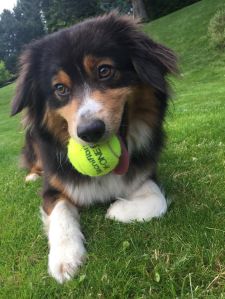
Sandra’s puppy, Hailey
Last year was a little crazy. We brought home a new puppy. We had more guests than we’d had in the previous ten years combined. And, my daughter started a new school. By the end of October, I was desperate for some solid writing time on my new novel!
The problem: November and December looked like they were going to be just as crazy as the rest of the year. Then, my friend Lyn Miller-Lachman posted that she was joining in PiBoIdMo (Picture Book Idea Month). I took one look at Tara’s smiley light bulb and knew I had my answer! Even if I didn’t have time to work on my novel, I could brainstorm picture book ideas. What a fabulous and inspiring way to be creative! I could do that while walking the puppy. I could do that while cooking for guests. I could do that driving back and forth to my daughter’s new school. I came straight to this blog and joined the 7th Annual PiBoIdMo. My first ever!
Like many of us, I find picture book ideas almost floating in the air. They seem to be everywhere. Ah, that would make a great story! Oooo, what a delicious picture book that would be! Oh, I’ve got to write that down! And, I did write the ideas down. However, as the month progressed, PiBoIdMo made me more…how do I say this? It made me more inventive. I went from being ‘passively’ inspired by life’s events to actively searching out things that are part of every child’s life. Like what? Like sneezing.
In fact, these ‘part of every child’s life’ ideas became my favorites. When PiBoIdMo came to an end and it was my turn to share with my picture book critique group, I turned to these. My sneezing idea turned into A PROUD FAMILY OF SNEEZERS, and it seemed to be loved by everyone who read it. Oh, it needed to be revised, and revised again and again, like any good story. But, it continued to get such fabulous responses that I started to think, Hmm, could I…dare I submit it for the Katherine Paterson Prize? I mean, it’s not a story about changing the world. It’s a story about a melting-pot American family of World Champion Sneezers whose newest member, baby Snookie, is—have you guessed?—not a sneezer.
Well, I dared. I sent in A PROUD FAMILY OF SNEEZERS. And then, I immediately put it out of my mind and dove into turning another ‘part of every child’s life’ idea into a story. Fast forward a few months. I open my email and surprise—jaw-dropping delight!—A PROUD FAMILY OF SNEEZERS won the picture book category for the Katherine Paterson Prize. So, thank you, Tara. And, thank you PiBoIdMo for inspiring me to be creative in a whole new way. I’ll definitely be joining the 8th Annual PiBoIdMo this November—and I hope to see you all there!
 Thanks for sharing your success story, Sandra! Congratulations!
The registration for the 8th annual PiBoIdMo will begin in late October. Follow this blog and you won’t miss it! We also have a year-round discussion group on Facebook.
You can follow Sandra on Twitter at @senickel and check out her website at WhatWasOn.com.
I awoke this morning and thought, “What a fine day for a new blog post.” Of course, I also thought, “What a fine day to go swimming” and “What a fine day to finish reading that book.” Sensing that I have packed today’s schedule, I decided that said blog post would have to be ultra-short. (I would have said “uber” short, but that word has been bogarted by some taxi service.)
So here I have pieced together quick quotes and sage snippets from the SCBWI events I attended in the spring—New England SCBWI and New Jersey SCBWI.
I hope you enjoy while I do the backstroke with a soggy book.
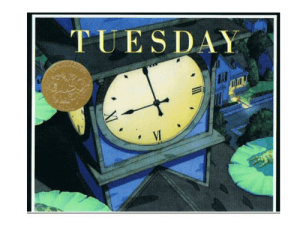
“A picture book is an amazing thing, a world unto itself. You can do anything in those 32 pages and that is the thing I love about it.” ~David Wiesner
“As I create, I am continually asking myself ‘why is this happening?’ You know you are desperate when you go to the ‘magic button’ solution.” ~David Wiesner

“Be nice. Be resilient. Set goals. Adapt & learn. Your biggest achievement is just around the corner.” ~Jarrett J. Krosoczka
“Don’t do a $50 job like a $50 job, you’ll get $50 jobs your whole life. Do it like a $500 job and you’ll start getting those.” ~Jarrett J. Krosoczka
“It’s not necessarily ‘write what you know.’ Write what you want to know ABOUT. The passion for that subject will come through.” ~Wendy Mass

“When it comes to the nitty gritty marketing of your book, always remember, something is better than nothing.” ~Laurie Wallmark
“A postcard is the best way to get our attention. I get 60 emails a day…it’s too much. I like the tactile nature of a postcard. I love feeling them and looking at them…if they hit anything in me, I keep them.” ~Laurie Brennan, Associate Art Director, Viking
“Characters who make interesting mistakes are inherently interesting. The kind of mistakes your character makes defines her. How a character acts in the wake of a mistake should be unique and personal to her. Failure is fertilizer: a world of things can grow from the mistakes your character makes. Someone who is always right is BORING.” ~Sudipta Bardhan-Quallen
“I wanted to write a book where my daughter could see herself—that’s me!” ~Suzy Ismail
“Writing from a multicultural perspective is no different than writing. All writing is about crossing boundaries.” ~Suzy Ismail quotes Debby Dahl Edwardson
And, finally, my favorite quote…which is still making me think long and hard:
“How are you creating a literary world besides being a literary creator?” ~Donalyn Miller
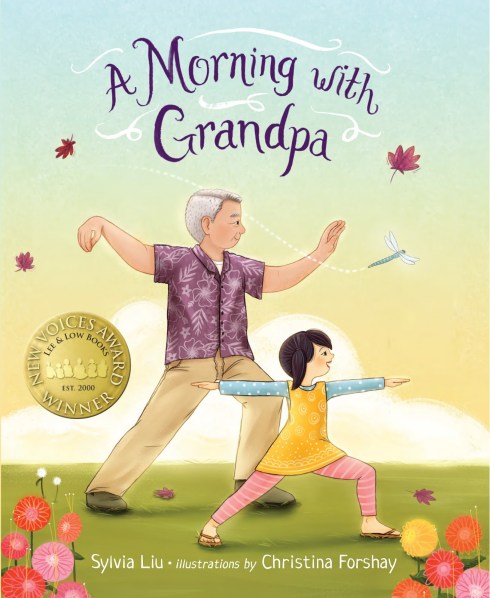
Sylvia Liu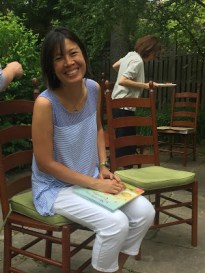 is co-founder of the comprehensive children’s literature resource Kidlit411 and a picture book author whose debut A MORNING WITH GRANDPA (illustrated by Christina Forshay) won Lee & Low’s prestigious New Voices Award.
One of the most important and inspiring movements in kidlit today is diversity, so I’ve asked Sylvia to talk to us today about creating authentic stories with relatable, diverse characters. Get those pencils ready because you will want to write after you read this interview!
Sylvia, what does the movement “We Need Diverse Books” mean to you?
For me, We Need Diverse Books means that every child can easily find stories and books that are mirrors and windows. Mirrors that reflect their own stories and circumstances and windows that show other people’s stories. This means that previously underrepresented groups need to be better represented at every level of children’s books. On the supply side, we need more diverse creators and more diverse gatekeepers (agents, editors, booksellers, librarians, reviewers). On the demand side, we need a reading public that buys and demands more diverse books. To achieve these isn’t a matter of wishful thinking or good intentions, because the societal inequalities that created the lack of supply and demand ultimately need to be addressed. For example, publishing and the creative arts are professions that are still very much based in apprenticeships—i.e., you need to have enough money to take unpaid internships when you’re starting out, or to take creative risks.
What led to you entering Lee & Low’s “New Voices” contest?
I have known about the New Voices Award ever since it began in 2000 because I have been following Lee & Low for over twenty years (my college and law school friend is related to the company’s founder). Over the last five or six years that I’ve been writing picture books seriously, I have always had the award in the back of my mind. Most of my stories are not specifically geared towards multicultural or diverse topics, so I didn’t submit any until 2013, when I wrote A MORNING WITH GRANDPA. After I wrote it, I thought it would be a good fit because it told a universal story about a grandparent and grandchild’s fun and funny relationship but with specific cultural references.
“When writing a diverse story, you should not just insert a character of a certain ethnicity or race. It is about so much more.” Can you expand upon this concept?
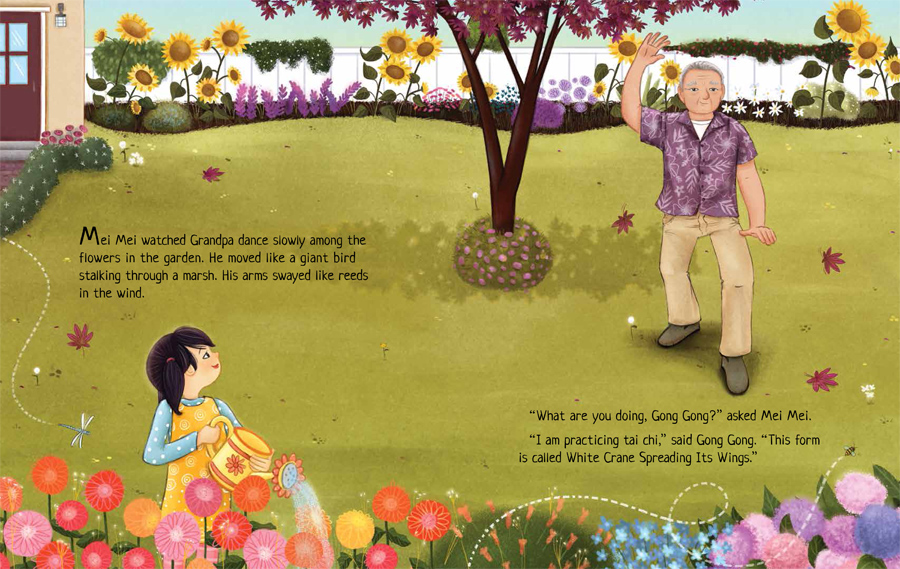
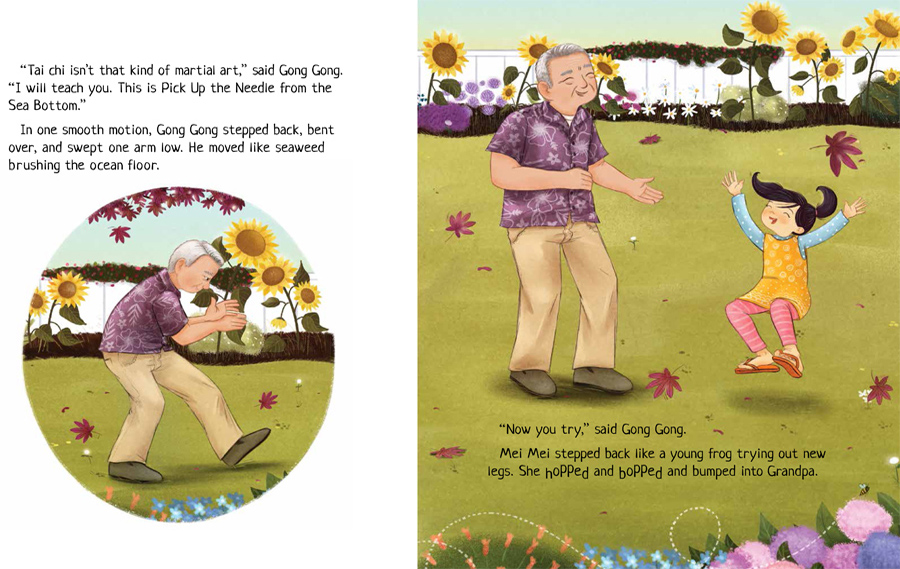
You’re right. It’s about telling a story from deep within a point of view or culture that requires intimate knowledge or experience to that culture. It’s more than changing a name to Maria or Mei Mei. It’s inhabiting that character’s world and showing and sharing the details of that world that make it specific to the culture, ethnicity, or world view. I do believe authors are capable of writing from different perspectives and cultures other than their own, but if they do, they need to approach the story with respect and research.

Going forward, what are your hopes for diversity in children’s publishing?
In the ideal world, we wouldn’t be having this discussion. We would have all different kinds of stories written by all different kinds of people, reflecting the multiplicity of experiences–social, cultural, racial, ethnic, economic, gender, ability, and more. But in the short term, as I mentioned before, I hope that gatekeepers (editors, agents, reviewers, book sellers, librarians, parents) take seriously the emerging commitment to diversity–promoting and giving voice to people of color, LGBTQ people, and other underrepresented people in the industry through hiring, contracts, reviews, and book sales.
Sylvia, any final thoughts?
Remember that only you–a specific person on this planet with a particular worldview, background, culture, family, sense of humor, and self–can tell your stories. Don’t be afraid to share your stories with your truths and perspectives, and don’t deprive the world of them.
What an inspiring statement, Sylvia! I hope this sparks new ideas for our blog readers.
Thank you so much for sharing your “new voice” with us…and for having Lee & Low share your “New Voices” picture book!
One copy will be given away within the next two weeks. Just leave one comment below to enter. (US addresses only, please.)
Good luck!
Say hello to Maria Gianferrari & Becca! (And their bookshelves! Impressive!)

I have known Maria for years now–first as a reader of this blog, then as a jewelry customer (I make earrings and necklaces in my spare time) and now as a fellow author and agent-sister! Maria has one of these rip-roaring breakout careers where she has sold umpteen books in no time and has even landed her first picture book series, PENNY & JELLY! Wow!
To celebrate the release of Maria’s second book in the PENNY & JELLY series, SLUMBER UNDER THE STARS, I asked editor Cynthia Platt and Maria a few questions—and they gave me three books to give away!

Cynthia, many writers dream of landing a picture book series. As an editor, what do you look for in a story that gives it series potential?
I wouldn’t say that I’m necessarily on the lookout for picture book series as a general rule, but I am always pleased when something calls out for more than a single book. For me, the strength of the picture book character is everything in terms of determining whether there might be series potential. It has to be someone I want to spend a lot of time with—and about whom I think kids will feel similarly. Humor also plays a huge role. No one wants a dreary picture book series (at least I don’t). With Penny & Jelly, I was immediately drawn to Penny’s personality and also to the very warm, very loving relationship between girl and dog. I also loved—from the moment I read the first draft of the first book—the creativity Penny possesses. She’s got such a can-do attitude, and she makes things happen for herself (even if she has to work through a few lists and a lot of craft supplies to do it). So, the story hit a lot of sweet spots for me as an editor.
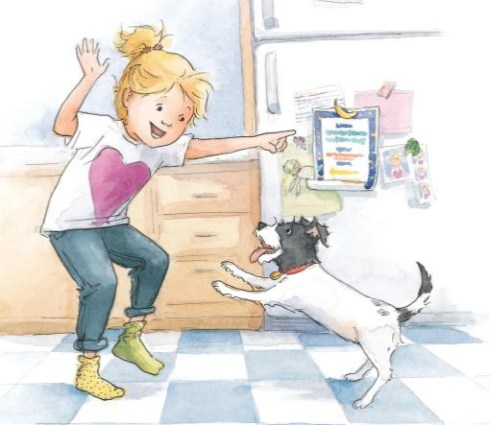
Was PENNY & JELLY originally pitched as a series, or was it something you decided would be made into a series?
It wasn’t pitched as a series. After reading Penny & Jelly: The School Show, we approached Maria and her agent, Ammi-Joan Paquette, about doing more than one book. Then Maria came up with the brilliant idea of a Slumber Under the Stars theme for the second book.
Maria, did you envision Penny & Jelly as a series when you first wrote it?
I didn’t initially envision it as a series, but I was thrilled that Cynthia and HMH presented me with a two-book deal because they felt that Penny & Jelly were lovable characters with a special bond that they could envision as a series.
Did you imagine what Penny & Jelly looked like? Did you have a role in helping to pick Thyra Heder as the illustrator?
I had a very vague sense of what Penny & Jelly might look like. Since Penny & Jelly were characters inspired by my daughter, Anya, and her canine BFF, Becca, it was hard to picture them any other way than this, my favorite photo of the two besties.

I didn’t have a direct role in selecting Thyra, but Cynthia presented her work to me and asked for my input. Of course, I loved it. I could tell right away she was a dog lover like me when I saw these early Jellys, and I knew she was just a perfect fit to illustrate the Penny & Jelly books!
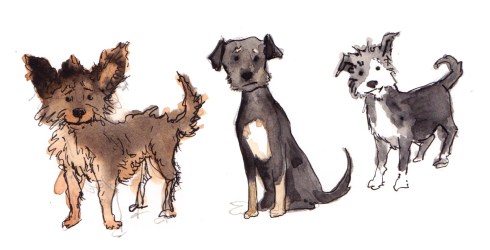
How adorable! I love her doggy design sense! (Is the middle pup available for adoption?)
Cynthia & Maria, thank you for stopping by on the PENNY & JELLY SLUMBER UNDER THE STARS blog tour. And thank you for the three-book giveaway!
Leave a comment below to enter, US residents only, please. Winners will be chosen by the end of the month.
GOOD LUCK!
Before I recap the SCBWI conferences I’ve attended the last two months, there’s a pressing topic that requires outing…a little quirk I have witnessed at every kidlit conference from the dawn of time (or, in my case, since 2008).
FOMO.
Maybe you don’t have a teen in your household and you’re shrugging right now. What the heck is FOMO?
Well, let’s describe the scene.
See the new-to-kidlit conference attendee, nervous yet determined, marching around the event carrying a stuffed animal based on their story’s character so people will inquire about it, talking to anyone who will listen to the pitch…which, unfortunately, the attendee hasn’t quite figured out yet.
Witness the cornering of an agent or editor in a hallway, a conference room, the buffet line, or heaven forbid, the restroom stall, being asked if they will read the manuscript, listen to the pitch or “peek” at other work.
See the attendee making conversation about the story and only the story, never asking anyone what they’re writing or even about their family, where they scored that awesome vintage dress, what they do for fun, where they’ve traveled, or anything unrelated to WORK.
You see, the new kidlit conference attendee is gripped by FOMO:
FEAR
OF
MISSING
OUT
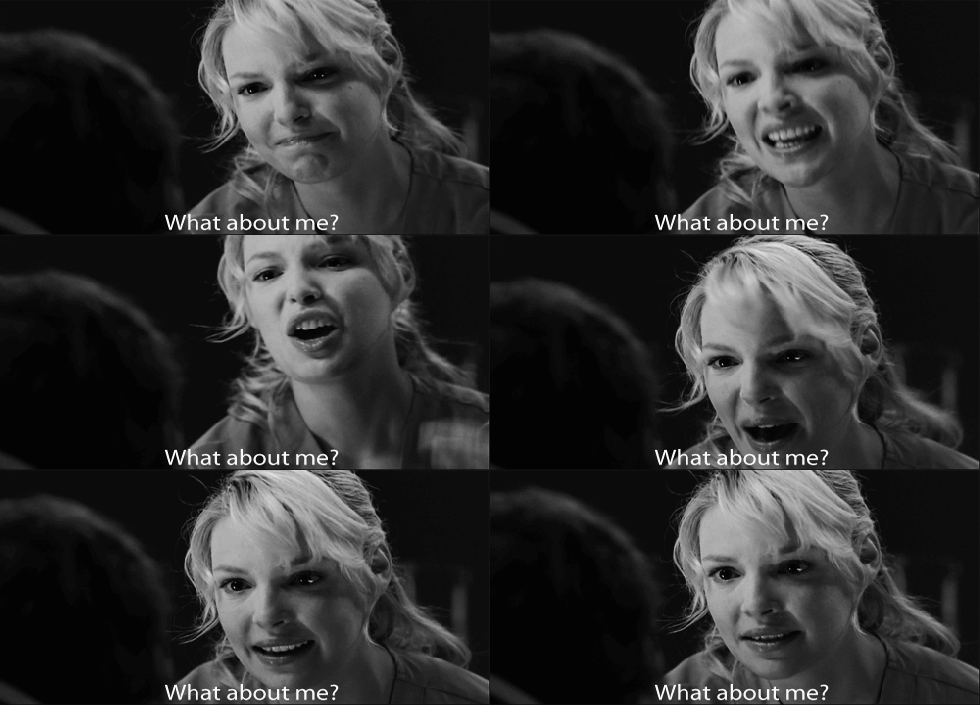
FOMO makes us jumpy, anxious, pushy and, dare I say it, annoying. The person-with-the-manuscript thinks this conference is THE ONE CHANCE to break through, to get the manuscript not only read, but read and LOVED, contracts thrust forward with gusto. They envision a bidding war breaking out right at lunch table 10, pitting Viking against Sterling, swords thrust forward with gusto.
It’s an unflattering portrait I’ve painted, and I apologize. But you see, I too was afflicted by FOMO. I know it so well because I lived it. (I am the first person above with the stuffed animal, just so you know.)
It took me a couple years, and some serious coaching by professional authors, to calm down at conferences, to realize that the lunch table duel just DOES NOT HAPPEN. Yes, an agent or editor may fall in love with your project, but more frequently they fall in I-think-I-like, ask for revisions, and begin a relationship with you. The opportunities happen AFTER the conference.
And remember, relationships can start with something other than A MANUSCRIPT.
Editors and agents are real people, too. They are not these mystical beings who float away to enchanted realms after a conference ends. They are wives and husbands, fiancés, mothers and fathers, lacrosse coaches, knitters, ukelele players, cycling enthusiasts, City Harvest volunteers, Rick Springfield fans and even former accountants who love spreadsheets (these people mystify me). They are multi-faceted, shimmering personalities. They like to sip a glass of wine at cocktail hour and talk about anything other than the books sitting on their desks. Honestly, an editor will remember the person with whom they share a passion for the Amazon rainforest and try to forget the pleading, desperate person who repeatedly asked if they had five minutes to hear a pitch.
FOMO. It can ruin your judgment. It can make you forget how to forge friendships.

Do not fall victim to conference FOMO. Because if you are clamoring, praying, hoping for JUST ONE book deal, I have to warn you—this is not true! Because once that book deal happens, the satisfaction may indeed last a lifetime, but the longing for a NEW book deal circles back again and you think: JUST ONE MORE book deal. The ideas never end. The storytelling never ends. If you are a writer, a creative being, you are hopefully in this for life. Getting published does not change the mission—to pour your innermost being out on paper. Getting published does not fundamentally change your life (unless you get a 7-figure debut deal). Yes, you have accomplished something few people ever do, you worked hard for it, but you are still you. You will want to do it again. You will want to ride this crazy rollercoaster of rejection and self-doubt and discovery over and over.
So the FOMO you feel? It actually never goes away once you are published. The trick is to learn to control it.

Do not let that BAD FOMO MOJO zap you of your creative energy, your imagination, your unique perspective, your force to do good in the universe. Don’t let FOMO make you a BOZO.
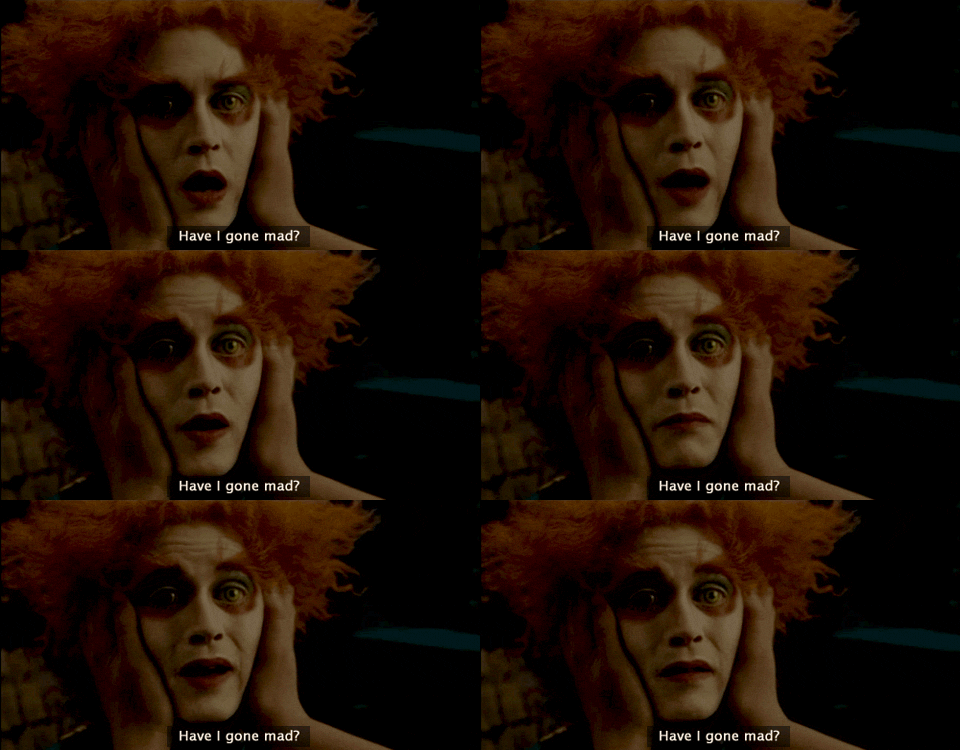
If you are new to kidlit conferences, RELAX. Listen. Learn. Just be you. Don’t fixate on selling the manuscript in your tote bag. Getting published takes years and it is not a race. It’s a marathon, an insanely strenuous yet joyous journey. Sit back and enjoy the run! You are not missing out on anything. You are in the thick of it.

Let me introduce you to one of the hardest working illustrators in kidlit. I have known Wendy Martin for years, and during that time she has been drawing everything in sight and refining her style. Her diverse range spans from mandala coloring books to art nouveau maidens to the bright watercolors of her illustrative picture book debut, THE STORY CIRCLE/EL CIRCULO DE CUENTOS. This charming bi-lingual tale features a determined group of students who discover the power of story.
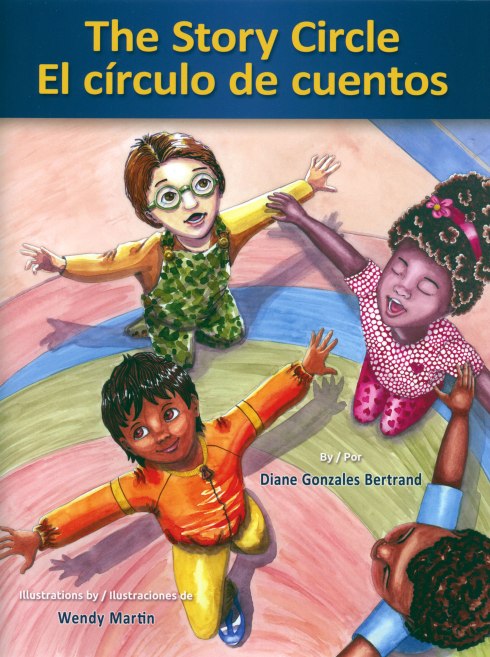
Wendy, were there any unique challenges to illustrating a bi-lingual picture book?
I received the manuscript in English only. According to the paperwork from the publisher, the text would be translated later. Piñata Books has a fairly standard format for their picture books. Both languages of text on one side of the spread with the English and Spanish separated by a vignette, but the art notes I received wanted art to run across the border. In most cases, when I’m doing my thumbnail sketches, I leave room for text while designing each spread. In this book’s case, I had to allow for a bit more than twice the space of the English copy, because Spanish usually has more words. It’s a good thing the text is very short, since my illustrations take up a lot of space.

How have you gone about marketing and promoting this book as an illustrator rather than an author?
THE STORY CIRCLE/EL CIRCULO DE CUENTOS is a wonderful book for classroom usage. But with the release date being May 30, schools have been closed for weeks already here in Missouri. I plan to use the summer months to create a contact list of school resource librarians about coming to area schools to talk about what an illustrator does and how a book is illustrated. I already do this kind of appearance via Skype school visits around the world. The author, Diane Gonzales Bertrand, is an accomplished speaker and teacher. She is promoting the book in Texas at book fairs and local children’s events. She says she is pretty uninvolved in the digital arena, so that’s where I’m focusing my marketing efforts for now. This blog tour is part of that.
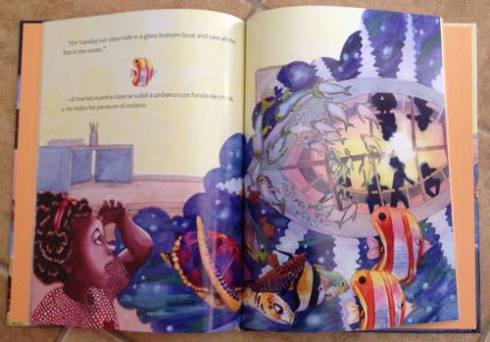
Why are picture books with diverse characters important?
I remember as a child always feeling like an outsider at story time, mainly because the characters in the books were never like me. It’s difficult to be a minority, whether it’s by culture or because of skin tone. The United States is a melting pot, where there are many, many cultures, skin tones, religions, lifestyles, what have you. No child should be made to feel as if their families, their cultures or their race are “less than” any other. If they don’t see kids like themselves, in books, doing the things that they do, in the way they do it, it is harmful to them, as well as to the children outside of that group of people. One of the reasons I was so excited to work with Piñata Books is precisely because their editorial focus is inclusive of many cultures. They do tend to lean toward the population breakdown of the Houston, Texas public school area, but since they are located there, that’s understandable.
I have kids of multiple ethnicities in my made up classroom. I loved giving each one of them a personality. I do that a lot. My characters all have backstory (in my head) as to who they are, and how they’ll act in all my books. They become “real” to me, for the length of the time it takes me to create the book. It’s always a little bit sad when I send them out into the world. Just like a mom sending any of her children off on their own.
 Thank you, Wendy, for sharing your new book–and for giving away a copy to one of our blog readers!
Leave one comment below to be entered in the random drawing for THE STORY CIRCLE/EL CIRCULO DE CUENTOS. A winner will be selected in approximately two weeks.
Good luck and happy reading!




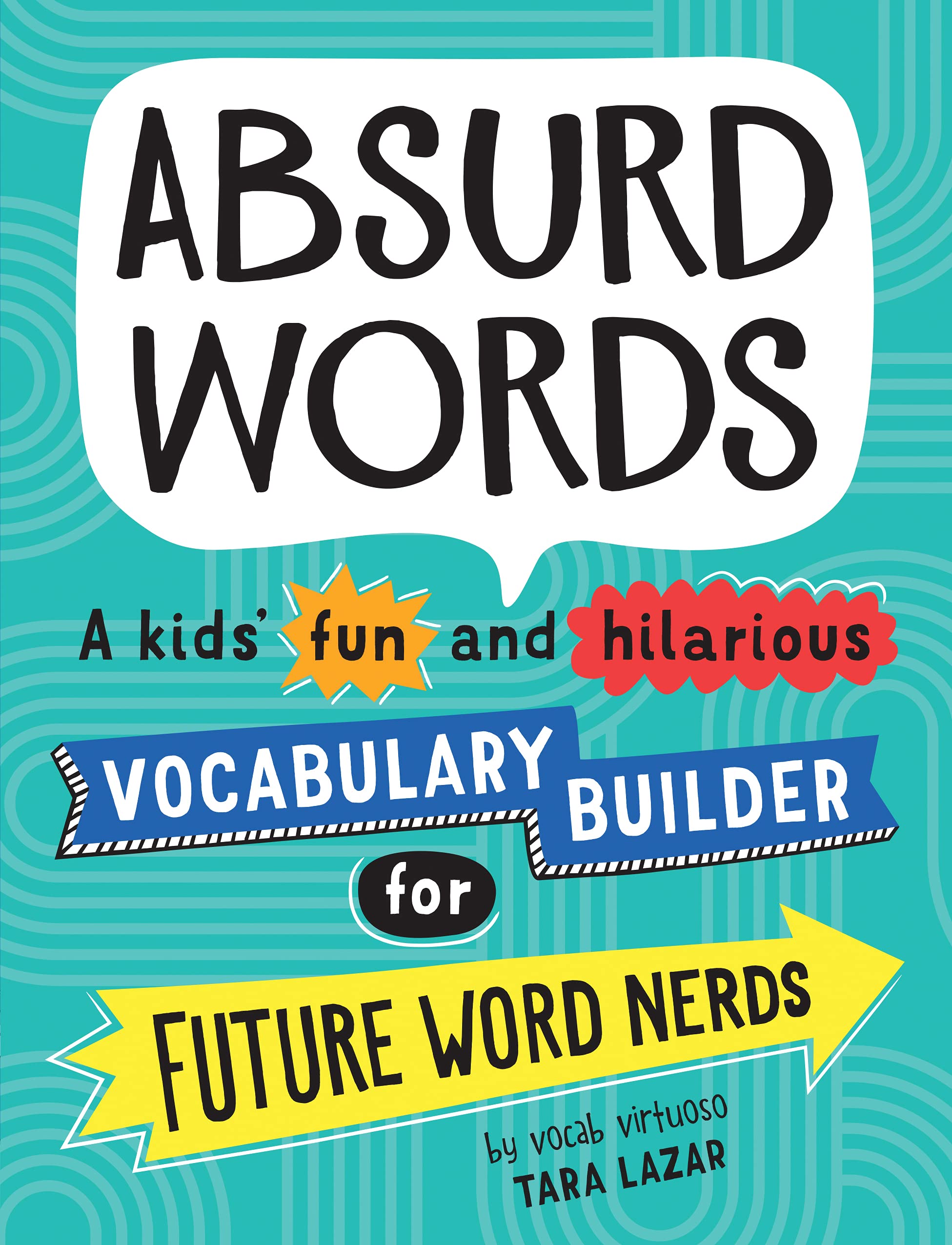

 Writing for Kids (While Raising Them)