by Deb Lund

Amplify the Longing

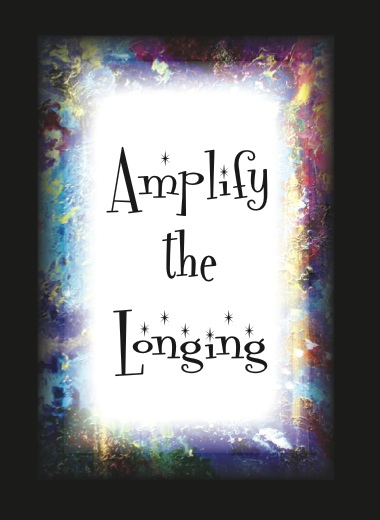
“Amplify the Longing!” That was the first card I randomly pulled from my Fiction Magic card deck for writers on the first day of November. Jan O’Neil and I were hosting about a dozen writers for a PiBoIdMo and NaNoWriMo kickoff at the Diamond Knot Brewery next to the Whidbey Island ferry.

Diamond Knot

Good thing I pulled that card before everyone got there. It didn’t take long for Jan and I to discover the afternoon would be more of a social event than an idea-gathering one. Fortunately, using the Fiction Magic cards got us half way through our 30 ideas in record time so we could be social along with the rest of them!

When Tara asked me to write about using Fiction Magic for a Post-PiBoIdMo post, I said yes, because I always say yes to Tara’s challenges. In this case, though, I knew the cards would work well for generating picture book ideas, but following up on those ideas? My first thought was that it would be challenging. That’s good and bad.

It’s difficult for me to resist a challenge.

Fast forward to the last day of November, with my unfinished PiBoIdMo list. How could I write a Post-PiBoIdMo post if I didn’t complete the challenge myself? With my crazy schedule (and clothes-dryer mind), I hadn’t touched that list since our gathering. There’s nothing like a deadline to make a challenge even more exciting!

I pulled out my cards and completed my list in one short sitting. (Should I be admitting that to Tara?)

And then I heard from Jan:

“I had 30 ideas done in 28 days, with the last 11 ideas coming on day 28. That’s the day I was sitting in line for a ferry, pulled out your cards, and whipped out those last puppies.”
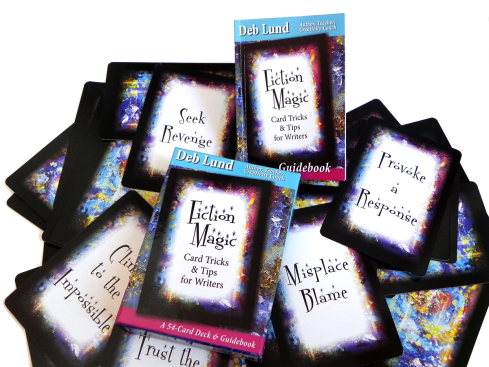
cards and card set

All that is great, but I still had the new challenge from Tara ahead of me.

I did say I like challenges, right?

I decided to keep going with the unknown (always a good thing to do when creating) and randomly drew a different Fiction Magic card to apply to each of the original ideas.

Remember the “Amplify the Longing” card? My PiBoIdMo lists in past years were a few words at the most. Not this year! The original idea from that card was:

Kid is never satisfied, wants more, more, more. Parents get run down, tired of trying to keep up with his demands, and when they can’t give any more, he gives them more and more love.

Jan revealed another similar experience:

“In the previous three Novembers, I finished all of the challenges by the skin of my teeth and came to understand that I am not one of those people for whom ideas come fully formed. Most of my ideas fit on one line of my journal paper. Later they may have notes written in the margins, but not at the time the idea first comes. This year, using the Fiction Magic Cards, my ideas are way more fleshed out. I mean, some even take six lines in my journal!”

So I held my breath, reminded myself that I love challenges, and drew a card as a follow-up to “Amplify the Longing.”

“Revolt!”

Yes! I could revolt and pick a different card, right? No? But the guidebook has creativity coaching tips following each craft suggestion! Couldn’t “Revolt” be a coaching tip?

Okay, okay…

My first thought was to have the parents go on a strike, but I didn’t want them to have any direct part in solving the problem, so I decided my main character needed to revolt. Maybe he’ll throw a tantrum until he’s all tired out, too. Then he can relate to how they feel and figure out that they all need love.

Don’t we all?

Here are a couple more examples of my PiBoIdMo ideas and how I used Fiction Magic cards to flesh them out:

“Speak the Unspeakable”

Original Idea: This little girl can only say no.

This little girl can only say no. When it’s time to go? No!
This little girl can never say yes. Clean up your mess? No!
This little girl can only say no. Would you like ice cream? No!
This little girl would like to say yes. Does she? No!
Can she still have ice cream? No!

The additional card I selected for this idea was “Take a Break.” I thought the girl could insist that she can’t say yes, but when she gets tired of all the no’s, of not getting all she wants, she stops talking instead of saying yes, and later, when she finally says yes, she saves face by saying the change was because her tongue needed a break. I also decided that I needed to take a break from all the “This little girl…” lines—and maybe a good long break from this idea!

Are you getting the idea that you have to come up with a lot of bad ideas in order to get a good one? Good! That’s one of the reasons Tara does all this work.

Okay, one more…
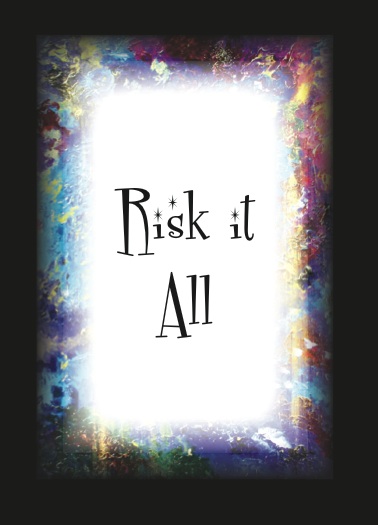
Risk it All 

Baby learning to walk. It’s a risk for the baby, and the artwork could show the determination and obstacles to walking.

I thought this would be a story from the Baby’s point of view, but then I knew it had to be a sibling watching the baby learn to walk. The sibling, of course, is not happy about the baby getting all the attention until the baby chooses to walk to the sibling.

Well, there might be a little hope for that idea.

The card I chose to follow up on that one was “Provoke a Response.” That’s exactly what the baby does. Naturally, there would have been a response from the sibling, but because of the second card, I’ll make sure it’s big enough. And maybe the baby will even say the sibling’s name as the first word. Hmmm… And that means I will work in a little bit at the beginning about how the baby “can’t even talk” and just “makes noise.”

See how this works? Fiction Magic isn’t magic. It just feels that way because it triggers new ways of seeing and deepens the concept and plot by combining ideas to create what Tara and I call “High Concept Picture Books.”

Will I work on any of these stories? Maybe. Will any of them be published? It doesn’t matter. It’s all practice. You have to mine a lot of rock to get at the gems.

Keep adding to your ideas, keep writing badly (you have to reach your quota!), and go where your magic leads you.
guestbloggerbio2014

Deb Lund may be best known as the author of All Aboard the Dinotrain and other picture books, but she has taught writing (the focus of her master’s project) to teachers and writers of all ages for 25 years. Deb is also a creativity coach whose mission is to get everyone claiming their creativity. Visit her at DebLund.com and follow her on Twitter @DebLund.
Creativity Deb

Fiction Magic: Card Tricks & Tips for Writers is a 3.5” x 5” boxed set of 54 cards with a 60-page guidebook. Fiction Magic card “tricks” help writers raise the stakes in their writing with phrases like “Alienate an Ally” and “Remove the Moral Compass.” The guidebook provides possible interpretations for each of the 54 cards, followed by creativity coaching “tips” to help writers apply the cards’ messages to their writing lives. It’s like having two decks in one!

For a limited time, Fiction Magic is 50% off.


***THIS POST CONCLUDES PIBOIDMO! THANK YOU FOR PARTICIPATING AND GOOD LUCK WITH YOUR IDEAS! PRIZES WILL BE ANNOUNCED ALL WEEK, SO STAY TUNED!***
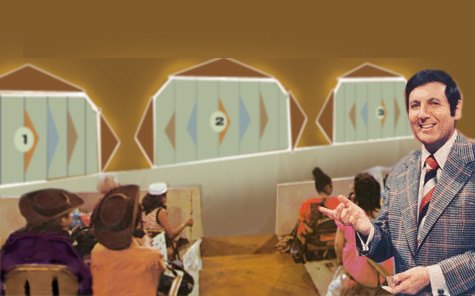

It’s the moment you’ve all been anticipating!

montyhall

Monty, show ’em what’s behind door number one!

broyhill

Why, good golly, it’s a Broyhill bedroom set!

What better place to read a picture book, right?

OK, sorry, just kidding. That is not your grand prize.

You know what the grand prizes are all about—you win a review of your best five PiBoIdMo ideas by a picture book agent! So much better than a stained oak nightstand!

How were the PiBoIdMo 2014 GRAND PRIZE WINNERS selected?

Every participant who signed the PiBoIdMo Winner’s Pledge was assigned a number based upon the order in which they commented. I then used Random.org to generate 10 random numbers. The numbers were checked to their corresponding name, then I ensured that name was on the PiBoIdMo registration post. If the name had been registered, then I double checked to make sure they had not commented on the winner’s pledge multiple times (thus giving them extra chances to win). If all checked out, the winner was verified. (And they all checked out!)

Without further ado, here they are! Please congratulate them!

SANTIAGO CASARES

LOUANN BROWN

ALEXANDRA KOTANKO

AMANDA SMITH

CHERYL MICHAEL

HOLLY MCLAUGHLIN

NICOLE POPEL

ANGIE JONES

LAURA WYNKOOP

TERESA DAFFERN

I will pair each of you with a PiBoIdMo agent and contact you via email.

If you are a grand prize winner, please read the following carefully:

You will have one week (from the date of my email) to contact your agent with your FIVE best ideas. I suggest you flesh them out into a paragraph each, like an elevator pitch. Something short and snappy. The agent will then provide feedback on which idea(s) may be the best to pursue as manuscripts. The agent may provide short and sweet feedback like a simple “Go for it!” or more lengthy feedback providing suggestions. I don’t know what’s in store for you–but there’s one thing for certain–their feedback will help you determine what to begin writing!

Thank you all for participating this year!

Remember there are PLENTY more prizes to come throughout this week—everything you saw during the event plus even a few more!

Maybe even a Broyhill living room!

broyhill2

LauraZarrin-in-pinkby Laura Zarrin

Picture Book Idea Month is over. You have ideas waiting to be developed. Now what?

As a kid and all the way through college, writing came easily. Essays or essay questions? No problem. I loved to really pad those answers. Fast forward to now and that ease is completely gone. Sometimes I have no words, not even a decent name for the file I’m writing in. What happened to the free flow of words? Maybe they shriveled up and died from lack of use. Maybe I spend so much time drawing that the words have gone to sleep? I’m sure it’s a lot of things, but one thing that’s different is that while the more words the better method worked in school, it’s the wrong approach to writing picture books where brevity rules. As a mom and an illustrator, I appreciate brevity. Short books were my favorite since I’d have to read the same book over and over and over again.

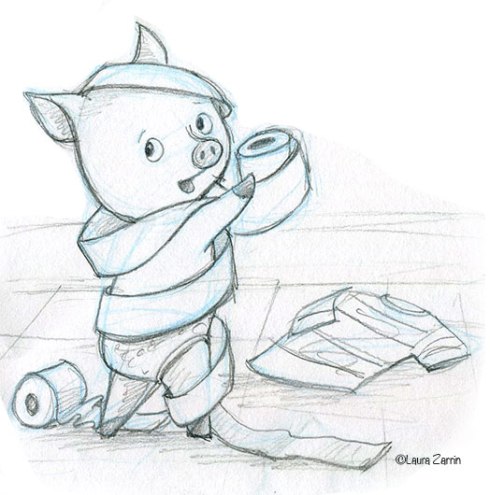
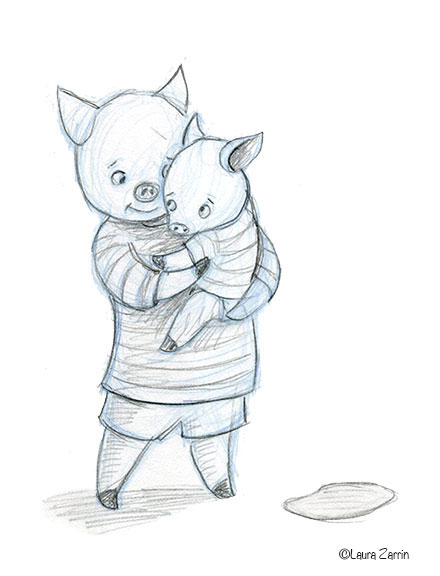
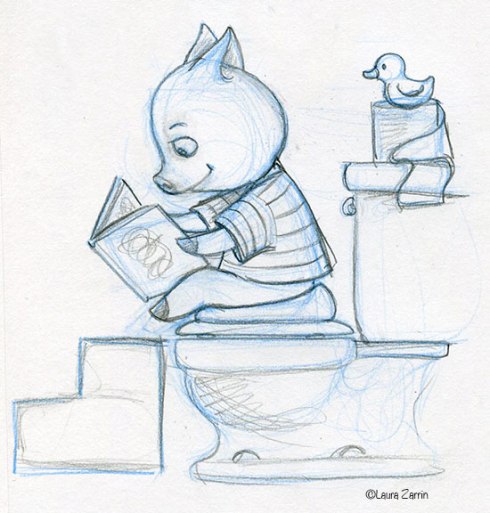
As an illustrator, I approach my stories through pictures first. I ‘see’ them before I write them. I’ll sketch out the character or a scene and see where it leads. Sometimes I’ll be so inspired that I’ll write a quick first draft. It’ll be horrible, but that’s ok. The point is to get something written out. To begin. I can always go back and edit it or completely rewrite it. Mostly, I have to let the ideas marinate in my head for awhile, sometimes years, to figure out what the real story is. I turn it around, hold it up to the light, add and subtract characters, try various what ifs, and grill it with questions until it feels solid. I really wish I could just snap my fingers to create the book dummies, but it just doesn’t work that way. Even though picture books are ‘simple’, they’re anything but easy. It’s like saying it’s so easy to draw in a simple and childlike way when it’s anything but. It takes a ton of work to get to the point where one can pull off ‘childlike’ effectively. One has to have a solid grasp of anatomy, technique and design to make it work. The same can be said of writing. It takes some serious chops to write a story in it’s simplest form.

Toilet-paper-mummy-LauraZarrin

cuddle-LauraZarrin

On-the-potty-LauraZarrin

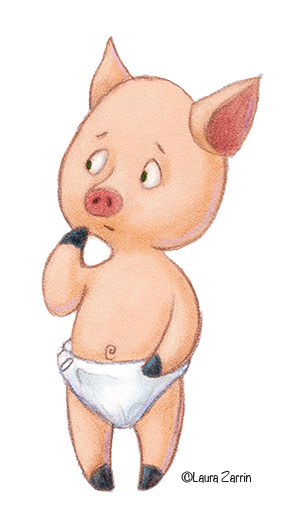
diaper-pig-LauraZarrin

I wish I could give you a formula. Heck, I wish I could give me a formula, but as it stands, my formula is to scribble, sketch, make lists, make notes, outline, research, work on character design, write then delete, draw, and draw, and draw, cry, give up, try again, and eventually there’s this thing that actually becomes a story.

My suggestion to you is to just begin. That’s often the hardest part of any project. Draw your character or a scene that’s calling out to you. Write the character’s bio, outline your plot or write a synopsis. Whatever feels like the easiest entry point to begin. Good luck!

guestbloggerbio2014

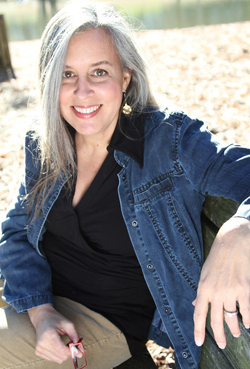
Laura spent her childhood in the St. Louis area exploring creeks, woods, and attic closets, with plenty of tree climbing and digging for artifacts in the backyard all in preparation for her future career as an archeologist. She never became one because she realized she’s much happier drawing in the comfort of her own home while watching TV. Obsessed with the Little House books and Native American cultures, Laura drew lots and lots of pioneers and studied pictographs and books about that time period. When she was 12, her family moved to the Silicon Valley in California where she still resides with her very logical husband and teen sons, and their illogical dog, Cody.

Visit her at LauraZarrin.com and follow her on Twitter @LauraZarrin. She blogs at Creative Whimsies and Simply Messing About.

prizedetails2014

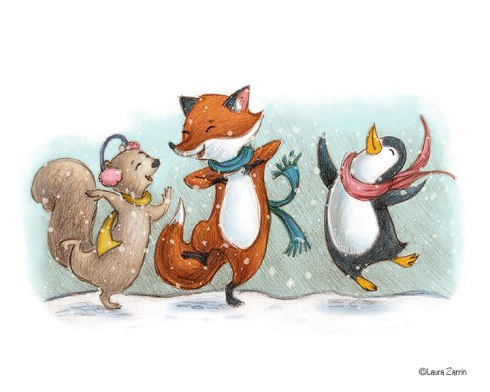
Laura is giving away an 8×10 print of “Winter Dancing”.

dancing-winter-LauraZarrin

This prize will be given away at the conclusion of PiBoIdMo. You are eligible for this prize if:

  1. You have registered for PiBoIdMo.
  2. You have commented ONCE ONLY on today’s post.
  3. You have completed the PiBoIdMo challenge.

Good luck, everyone!


Elizabeth_Dulemba-den-250by Elizabeth O. Dulemba

Sometimes I’ll get an idea for a picture book that I know is a winner! I scramble to write the key lines, the story’s premise, its arc…and then, something goes wrong. There’s a piece that’s missing, or elements that aren’t quite gelling. Maybe the ending isn’t satisfying enough. But, that doesn’t mean it’s a bad idea. So I save it.

I have a “Pre-pubbed Books” file in which I keep folders brimming with ideas. In these folders I’ll put sketches, various story versions, images of books I think might be similar, or reference photos that fit the story. You name it.

Of course, not all ideas come in whole. Some arrive as only a title or simple phrase. For those I have an “Other ideas” file. Inside are the years: 2004—2014. In those folders, I just save Word documents. Sometimes it can be one phrase or a character idea, but it was something that made my brain light up, so I keep it too.

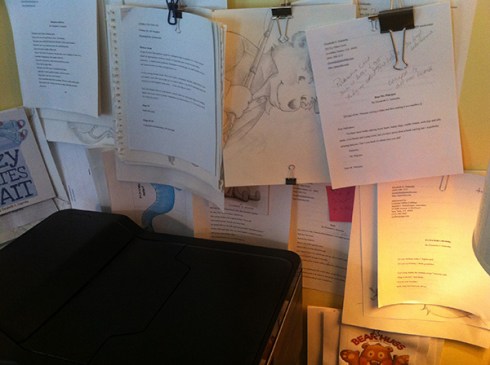
And then there’s my dummies wall. Sometimes a story is so strong, I’m dying to illustrate it. Maybe I just do character sketches, or a few spreads. Sometimes I sketch out the entire dummy and even take a few pieces to final. This can lead to a lot of paperwork with no place to put it. This is when bulldog clips become my friends. I collect everything together, clip it, and hang it on the wall on a pushpin.

Manuscripts2

I’ll often sit back to look at these works-in-progress hanging on my wall and wonder if I have a new seed or tweak that might help them along.

Some of these folders, documents and dummies have been around for a while, but that doesn’t mean they’re dead. Sometimes it takes combining ideas, or swiping a phrase from one story to make another story stronger. So, I keep them organized so that I can mine them whenever I want to.

Manuscripts1

I also firmly believe some of them are ready to be published, but for whatever reason, the publishing world isn’t ready for them yet. Because of trends, word counts, a hit book that is too similar… whatever the reason, I’ll let them wait until trends circle back around and they become relevant again.

The irony is, with all these attempts at creating stories I’ve trained my storytelling muscles. I tell kids that writing is like lifting weights. The more bicep curls you do, the stronger you get. The more you write, the more those writerly muscles seem to know what to do. I’ve written so many picture book manuscripts that now, when I write, it seems stories come out of me in just the right word count and just the right number of page breaks. I’ve trained my brain to the structure of picture books.

But that still doesn’t mean they all work, hence, my folders and files and dummy wall. Sometimes a story will sit for a day, sometimes for years before I figure out the key that unlocks whatever was wrong and makes the story work. But I’ve learned to be patient with myself. Some stories, even the simplest (seeming) ones, need more time.

So, if you know deep down inside that your story isn’t there yet (don’t ignore that little voice), put the manuscript aside. Put it somewhere where you won’t forget about it, and let your brain work on it—while you sleep, or garden, or take a shower, or just get on with life. It doesn’t have to be perfect straight out of the box, few stories are.

claywheel

I call it putting the clay on the wheel. You’ve got the idea down, you know its missing or lacking something. So knead it in the back of your mind, for however long it takes, until you get your story just right. You’ll know when.

And then, then you send it off to a publisher or to your agent. And maybe that manuscript that you struggled over, that you let simmer, will finally be so perfect, so right, they will buy it and publish it and you will get to share it with the world!

guestbloggerbio2014

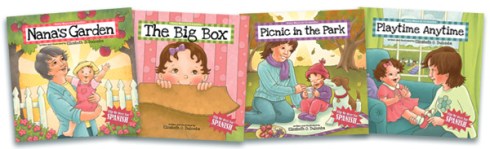
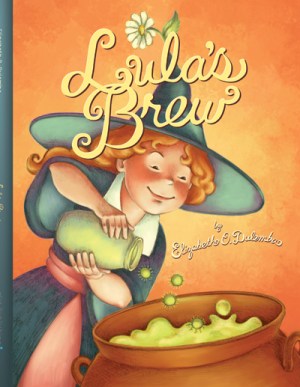
Elizabeth O. Dulemba is an award-winning children’s book author/illustrator with two-dozen titles to her credit. She is a Board Member for the Georgia Center for the Book, and Visiting Associate Professor at Hollins University in the MFA in Children’s Book Writing and Illustrating program. Her latest picture books are a series of books for Children’s Healthcare of Atlanta and LULA’S BREW. Elizabeth gives away free coloring pages and hosts interviews, guest posts, and giveaways on her website each week. Sign up for her weekly newsletter and learn more at Dulemba.com.

CHOAcovers-600

LulasBrew-BookCover-400


Carol's professional photo for booksby Carol Gordon Ekster

Whew! You finished your 30 PiBoIdMo ideas.

Now what?

Stare at them. Admire them! Write them all at once?

Good luck with that! One of the great things about being a writer is that you are your own boss and you can do as you like!

Don’t tell anyone…I cheat a bit with this PiBoIdMo concept. For me it’s morePiBoIdMoS. The minute I hear the first whisper that PiBoIdMo is coming, whether through Tara’s tweets, Facebook page, or her blog, I start a document on my desk: “PIBOIDMO 2014.”

Yes, technically I start before November 1st, and I keep going! It gets me on a roll…deeper listening, inspiration from all the posts, and a mind more opened to all those picture book possibilities. Every new idea that follows will get listed on that sheet, maybe through February, maybe until I open the “PIBOIDMO 2015” document. Then when I’m finished working on a manuscript, revision, or submission and I’m ready to start a new story, I’ll glance through those ideas. (I have a document for ’12 and ’13 that I still revisit.)

I’ve never deleted any of the less than fabulous story concepts, but I have highlighted a few that I thought had potential. Sometimes, right under a numbered idea, I start the story’s beginning. It just flows from my finger tips. I don’t have an organized plan. I go with my gut.

When I start a separate document for a numbered idea, I know I’m serious about it. I never forced the beginning of one of those ideas. I waited until the idea grabbed me and said, “It’s time. Start the draft!” I have to feel it. I’ve developed quite a few of those ideas from the past years into manuscripts. I drafted, rewrote, revised and brought them to critique groups. None of those stories have yet to be acquired. But I have faith that some will…when the time is right. Though I have gotten “the call” on one…but no contract in hand as yet.

This year there was mention of PiBoIdMo kick-off parties. A fabulous gathering spot for writers, The Writer’s Loft, had one. And though I couldn’t make it, I was there in spirit. But I think we also need AFTER-PARTIES, as a way to celebrate all that thinking, all those brilliant ideas. Perhaps gather other PiBoIdMo’ers and plan a few peer critique sit-ins—where large groups gather and break into smaller groups to share their manuscripts. (Of course, bring snacks and allow time for socializing, too!)

If you can’t do that, find another way to get other writers’ eyes on your story. This step is imperative. Once those critiques are in, it is time to polish and revise and incorporate all that you have learned about craft and about picture books. This is where it counts. This is where we water and love those seeds of ideas until they sprout into the best possible work we can create. For every story idea you develop into a manuscript, make a “sentence” document for that title. This way you can brainstorm many different ways to word each thought until you get the perfect line up of words, until each sentence sings. Don’t be lazy. Get it right. Someday, you’ll be touching a life with that story. Don’t settle for less than the best you are capable of.

Before you know it, we’ll be preparing for “PIBOIDMO 2015”. Don’t let all this creativity be forgotten. Continue to glance back at your ideas. You never know when that gem of a manuscript is ready to emerge and start its route to publication.

guestbloggerbio2014

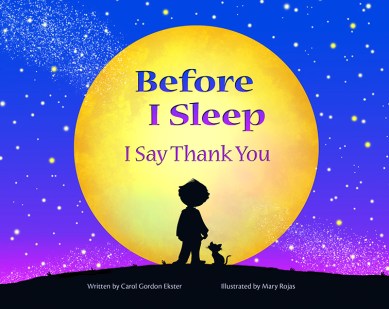
Carol Gordon Ekster was a passionate elementary school teacher for 35 years. Her first book, Where Am I Sleeping Tonight? — A Story of Divorce, Boulden Publishing, 2008, was an About.com Readers’ Choice 2012 finalist for Best Children’s Book for Single Parents. “The Library Is The Perfect Place”, was in Library Sparks magazine, 2010. A picture book, Ruth The Sleuth and The Messy Room, on Character Publishing’s debut list, 2011, was awarded the Children’s Literary Classics Seal of Approval. Before I Sleep: I Say Thank You, comes out January 1, 2015 with Pauline Books & Media. Her first e-book, Hip Hopping Books, will be out with Schoolwide Inc.’s digital library, winter 2015. Retired from teaching, Carol now spends time in critique groups, doing exercise and yoga, and working on her books. She’s grateful that her writing allows her to continue communicating with children. Find out more at CarolGordonEkster.com and follow her on Twitter @cekster.

prizedetails2014

Carol is giving away a signed copy of BEFORE I SLEEP!

Front Cover - Before I Sleep  copy

This prize will be given away at the conclusion of PiBoIdMo. You are eligible for this prize if:

  1. You have registered for PiBoIdMo.
  2. You have commented ONCE ONLY on today’s post.
  3. You have completed the PiBoIdMo challenge.

Good luck, everyone!

♩♪♫♬ Oh the weather outside is frightful… ♩♪♫♬

…and so is my voice so you really don’t wanna hear me sing!

But what you do want is snazzy stuff for your favorite writer friends, maybe even for yourself. So I’ve combed the Internet for some unique and writerly gadgets, gizmos and gifties you’ll be proud to give or own this holiday season. Grab a cuppa cocoa, shop and share!

giftsforwriters

.

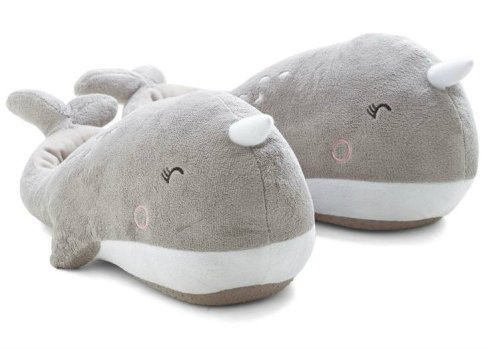
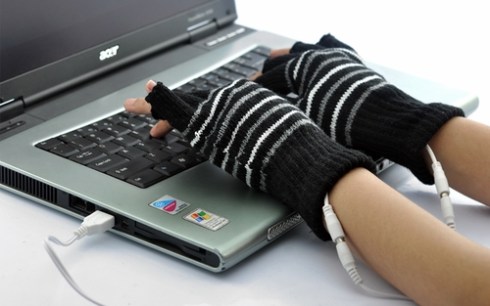
1. USB Warming Things (Mug warmer, foot warmer and writing gloves)

If you’re attached to your computer all day, why not take it literally by plugging in and warming up? Keep your coffee hot, your tootsies warm and your fingers flying across the keyboard.

hot-cookie-usb-cup-warmer-3

Hot Cookie USB Cup Warmer available from GadgetsandGear.com.

seasontosnuggle

Sea-son to Snuggle Narwhal Foot Warmers available from ModCloth.com.

usb-heated-gloves-44

USB Heated Writing Gloves available from KlearGear.com.

.

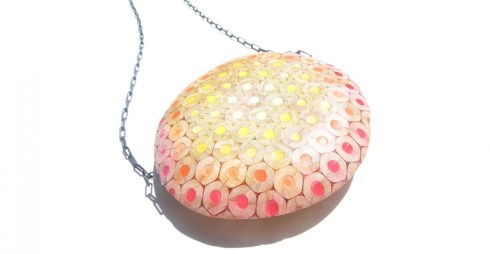
2. Maria Cristina Bellucci Jewelry

Do you want to make a statement? How about “I love to write (and live) in color”?

Maria Cristina Bellucci hand-carves colored pencils into the most unique and fun jewelry pieces you’ve ever seen.

coloredpencilejewelry

coloredpenciljewelry3

coloredpenciljewelry2

Colored pencil jewelry available from mcbjewellery.bigcartel.com.

.

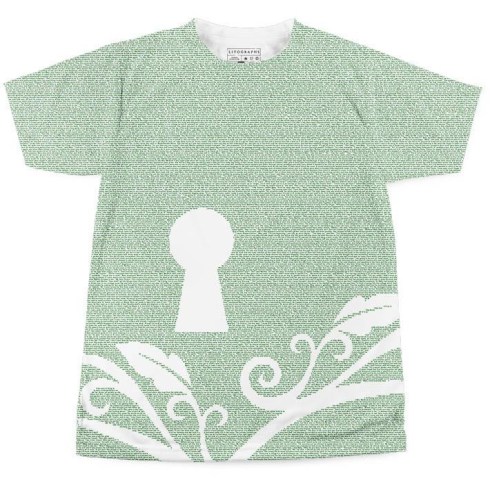
3. Litographs Shirt

The best book you’ve ever worn. Litographs t-shirts are comprised from the text of your favorite classics. Yes, those are green words!

secretgarden

The Secret Garden tee available from Litographs.com.

.

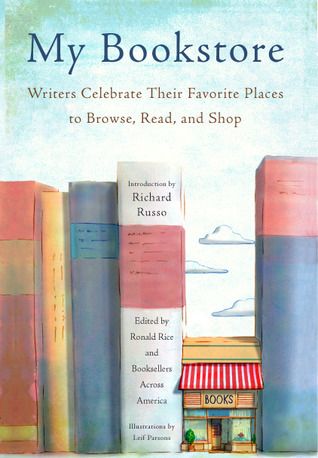
4. My Bookstore: Writers Celebrate Their Favorite Places to Browse, Read, and Shop

Before you take out a second mortgage, let me clarify: I’m not suggesting you buy a bookstore, but rather a book. Eighty-four authors tell tales of their favorite independent bookstores–with witty, heartfelt and inspiring words.

mybookstore

My Bookstore, available at your favorite indie.

.

5. Lumio Folding Booklamp

When bibliophiles open a book, they get turned on. Well, open this book and it turns itself on.

lumio

lumio3

lumio2

Lumio available from HelloLumio.com.

.

6. “Writer” Bookends

What better place to display your growing collection of authored titles?

writerbookends

“Writer” bookends available from Etsy seller KnobCreekMetalArts. (Thanks for the suggestion, Julie Segal Walters.)

.

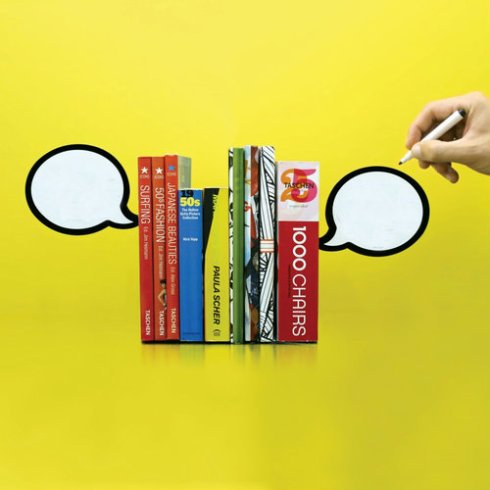
7. Speech Bubble Bookends

Yes, another pair of bookends. But they’re worth it. You can make them say whatever you please!

speech-bubble-bookends-16

Speech bubble bookends available from Gadetsandgear.com.

.

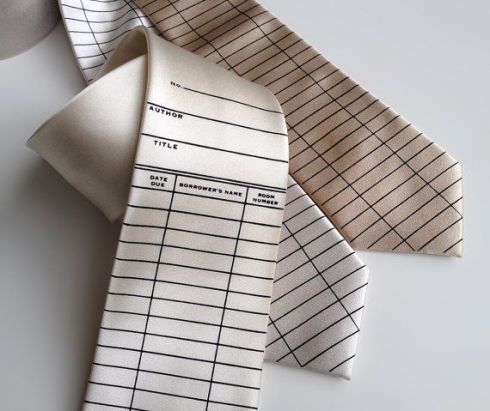
8. Library Due Date Card Tie

This is for the guys, if you want to be “checked out”.

duedatetie

Silk-screened library due date card tie available from Etsy seller Cyberoptix.

.

9. BookBook for MacBook

A sophisticated, leather-bound book cover for your more modern “book”.

bookbookformacbook

BookBook available from twelvesouth.com. (Thanks for the suggestion, Mary Zisk.)

.

10. Boogie Board Sync

No, we’re not catching waves. We’re catching ideas! Ever lose those scraps of paper onto which you’ve scribbled what MUST be a NY TIMES BESTSELLER idea? Well, fret no more. Capture your thoughts on the Boogie Board and then sync it up to your smartphone or computer.

boogieboardsync

Boogie Board Sync available from myboogieboard.com.

.

11. FlipNote by Wellspring

For those who prefer the tried-and-true pad and paper, there’s FlipNotes. Stick it in your purse or pocket and never be without a place to store your thoughts.

flipnote

FlipNote available from WellSpring.com.

.

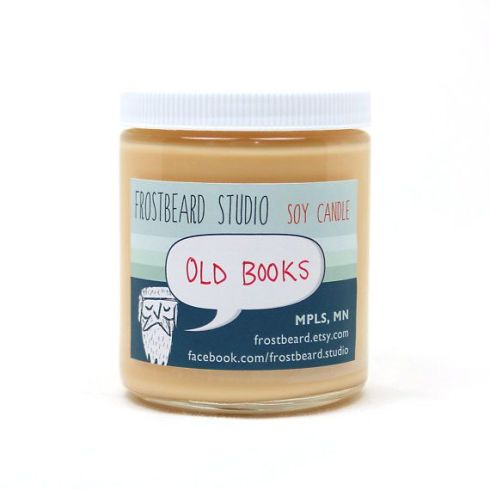
12. Old Books Scented Candle

Give the gift that keeps on smelling (like a used bookstore)!

oldbooks

Old Books scented candle available from Etsy seller Frostbeard Studio.

.

Well, this is so much fun I could go on for ages. But alas, I must pause to get back to PiBoIdMo activities.

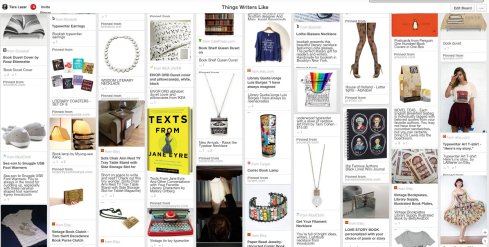
However, you can keep shopping via my Pinterest board, Things Writers Like. Hundreds more goodies there!

thingswriterslike

Enjoy and Happy Holidays, writers!

by Laura Gehl

In November, there are no bad ideas. You write down every single thought that comes into your brain. And that’s good. But then…December comes. And now there are bad ideas. Bad ideas that you need to separate out from your other ideas. So you can focus on pursuing your promising ideas without all the clutter holding you back.

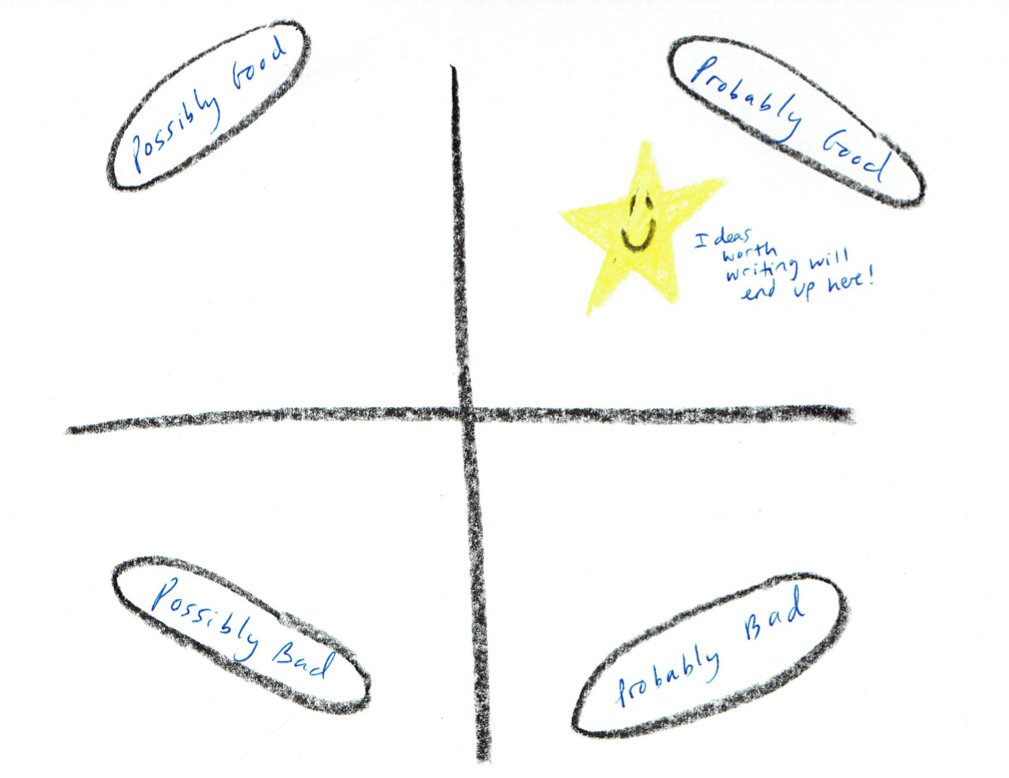
To help categorize your PiBoIdMo ideas, I’ve created this handy diagram, adapted from What If? by Randall Monroe.

laura1


Start by putting all your ideas quickly into the “Possibly Good” or “Possibly Bad” boxes. Don’t think too hard. Most of your ideas will go into Possibly Good. But some will go into Possibly Bad.

laura2


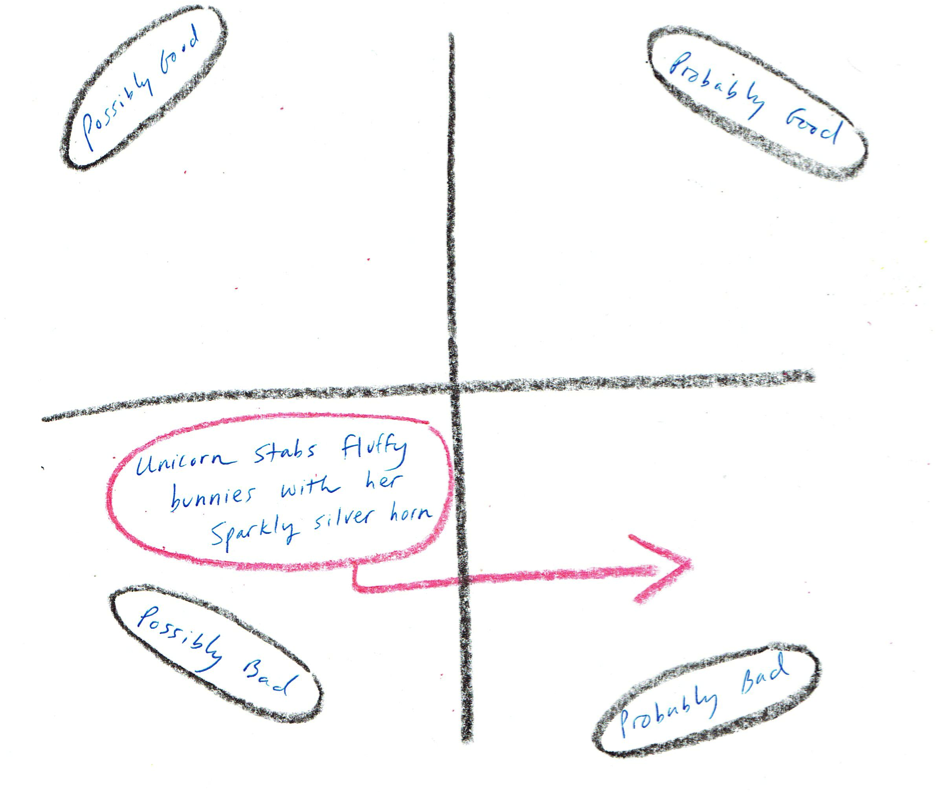
Now it’s time to start moving things around.

  1. Type your title ideas into Amazon. Does one of your brilliant, witty titles already exist, or something too similar? If so, boot that idea out of the “Possibly Good” box. No reason to start with strikes against you. This happened to me recently with my “Possibly Good” idea of Jellyfish Loves Peanut Butter. Turned out there are several Peanut Butter and Jellyfish books out there already.

laura3


  1. Take a look at your “Possibly Bad” ideas. Some of them will go straight into “Probably Bad.”

laura4

Other “Possibly Bad” ideas might go into “Probably Bad” and then get resuscitated later, with a little twist.

laura5

  1. When you read through your “Possibly Good” ideas, there will probably be a few ideas that make you smile just to think about. Make your brain buzz like you drank a cup of coffee. Make you itch to go start writing right this second. Those ideas are the ones you want to move on over to the “Probably Good” box right away.

laura6


Once you identify some “Probably Good” ideas to start working on, keep your PostPiBo diagram handy. When you get stuck, pick out a “Probably Bad” idea and…just for fun…write a few lines of that story. Afterward, your brain may be a little bit more ready to focus. Or maybe you’ll discover a way to twist the bunny-stabbing unicorn into a “Possibly Good” idea….after all, it’s never been done.

guestbloggerbio2014

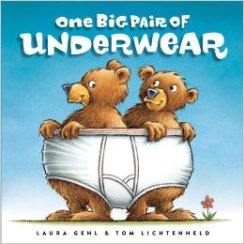
Laura Gehl is the author of One Big Pair of Underwear, illustrated by Tom Lichtenheld, which released in September. She is also the author of four upcoming picture books: And Then Another Sheep Turned Up; Hare and Tortoise Race Across Israel; Peep and Egg: I’m Not Hatching; and Peep and Egg: I’m Not Trick or Treating. Laura is also the author of 57,982 Possibly Good Ideas, and 26, 444 Probably Bad Ideas. She lives with her husband and four children in Chevy Chase, Maryland. Visit Laura online at www.lauragehl.com and http://www.facebook.com/AuthorLauraGehl.

onebigpairlauragehl

Wells-headshot-smallby Michele Wells

Creating a digital version of your picture book can be exciting. Or daunting. Or both. The learning curve in creating apps and eBooks was once so steep that most picture book authors and illustrators had no choice but to leave the process of creating apps and eBooks to the publisher. And depending on resources, budget, marketing allocations, and the like, a digital version might not have been an endeavor the publisher was willing—or able—to take on.

In the past few years, however, children’s books have exploded digitally, and new, inexpensive, and intuitive platforms have emerged to allow for easy(ish) creation of enhanced eBooks and apps. The playing field has leveled; it is now possible for authors and illustrators to create digital adaptations of their picture books with only a small initial investment and very little technical know-how. It has also become easier to distribute content on the iPad, Android, Nook, Kindle, and other platforms. So, since a great story deserves to be told and retold, it makes sense for authors and illustrators to consider adapting their picture books to be enjoyed on various devices across all types of media.

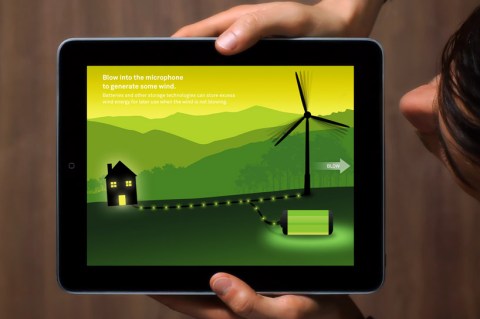
Image via purplecarrotbooks.com

Image via purplecarrotbooks.com

But what makes a good digital version? It’s not enough to simply add tappable animal sounds to a picture book about a farm and call it a day. The best interactivity moves the story along; it does not distract the reader, or in any other way detract from it. Taking the reader’s attention out of the moment to play a mindless game isn’t exactly the best way to engage with a story, much less to promote literacy and encourage reluctant readers to get into the habit of reading.

So where should you start? To make the digital experience as satisfying as the physical one, you need to think about how the reader will be engaging with the story on a device. Therefore, the interactivity you choose to include should enhance the world you’ve built and the journeys of your characters. In fact, if done well, the interactivity should be experienced as a natural extension of the story. This means that each key moment, each plot point, should be examined for ways in which the user can participate in the story.

You should also devote some time to thinking about the specific ways in which your readers will relate to the telling of the story itself. If your picture book is plot-oriented, then an app made up of quick, adventure-based activities set at specific story beats might be the way to go. If you have a rhyming story, an eBook with a “read-along” feature might make more sense. Basically, as the content creator, you need to decide the specific what and why of the interactivity to ensure that the experience you’re providing digitally is organic to the world of your book.

Image via designboom.com

Image via designboom.com

Here are some things to keep in mind when creating a digital version of your picture book:

  • Look for moments of interactivity that naturally present themselves within the story. Let’s say there is moment in which your protagonist is crossing a river. In this case, it might make sense to invite the user to participate in an activity that helps guide the protagonist to safety.
  • Since picture books appeal to both parents and children, consider including activities that resonate with both demographics. The best interactive features are collaborative, with engaging interactivity for adults and kids.
  • Think about what types of content would be a true value-add from a digital perspective. It might make sense to include a video, or a tappable resource that allows readers to learn more about your subject than is possible in book form.

We all know that interactive stories are a great way to improve literacy, as children who are reluctant to sit still for traditional books are sometimes drawn into the “gamified” experience of interacting with a picture book on a device. But it’s our responsibility as content creators to ensure that the digital experience provides a rich, fully realized experience rather than just flashy, “keep ‘em busy” activities to allow readers to truly participate in the world you’ve created, and keep them coming back for more.

guestbloggerbio2014

Michele R. Wells is an editor and writer with two decades of experience in multimedia and print publishing. An expert in conceptualizing and developing content, she has edited illustrated books for DK Publishing, lifestyle nonfiction for Penguin, and business self-help for McGraw-Hill, as well as educational content for Pearson, The Princeton Review, and others. She currently manages the digital editorial department at one of the world’s largest entertainment companies, where she has written scripts for award-winning apps and interactive products. The author of several books for children and young adults, she volunteers for literacy organizations, and was the founding chairperson of First Book-Brooklyn. She now lives in Los Angeles. Follow her on Twitter at @michelewells.

timothyyoungby Timothy Young

First, congratulations on completing PiBoIdMo, getting all 30 of your great ideas down on paper. Or, congratulations on attempting PiBoIdMo, but only finding the time to get about 20 picture book ideas down on paper. Or, good try, you only found the time to get 5 or so picture book ideas down on paper because you’re really busy this time of year (heck, don’t kid yourself, you’re busy all year-round) but you feel like you’ve got 2 or 3 really good ideas you want to pursue. I, as usual, fall into the last group. It’s not that I lack good ideas, I just can’t get organized to write them all down on a schedule. Plus I have the added excuse of spending this November finishing my next book.

So now it’s December 3rd, now it’s time to take those 2 or 3 good ideas and start turning them into books. So let’s sit down and start writing, as soon as you go pick out a tree and decorate the house for the holidays. OK, that’s out of the way, let’s start writing, as soon a you finish that job you started in mid-November and the deadline is fast approaching. OK, that’s done, now it’s getting close to Christmas and you’ve got so many functions and last minute shopping and then it’s New Year’s Eve and I promise I’ll get around to writing as soon as the new year starts. Well, right after I do my taxes, that is. What do you mean Happy Valentines Day?! Where is the time going!

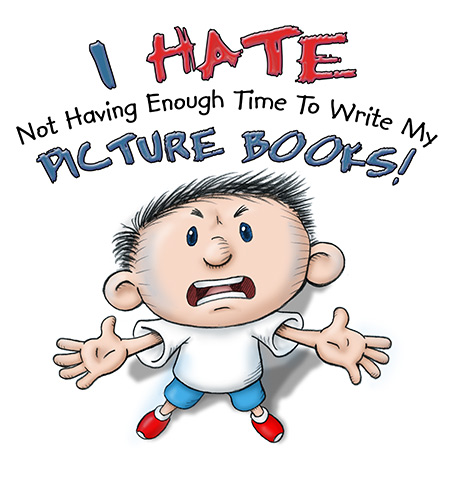
I-Hate

So here’s the issue, I don’t know about you, but I’m really busy. I work for myself as a graphic designer and freelance illustrator. I have a number of clients who are very demanding (especially that one who always calls at 4:30 with some emergency that requires another 4 hours of work). Add to that family stuff and general household needs, who has time to write?

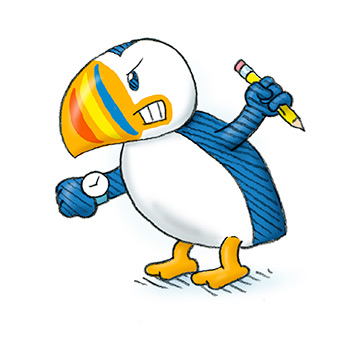
Puffin-Time

So here are some secrets to finding all the time you need to write:

  • Inherit loads of money so you don’t have to have a job. This also works if you win the lottery.
  • Marry someone who is really wealthy so that you can have servants to take care of all the small stuff like raising the kids. This frees up a lot time.
  • Become really famous for something else, like acting in movies or singing great songs, then publishers will pay you lots of money to write a book. Even becoming infamous can get you a book deal.

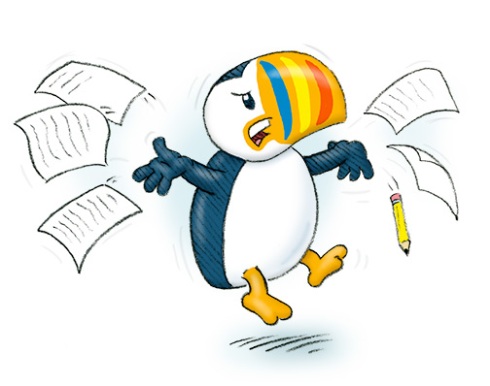
Puffin-Papers

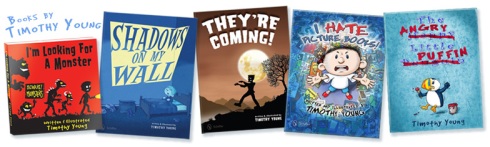
Sorry, I didn’t mean to make it sound hopeless, it’s not. We write because we have to, because we are passionate about it. Don’t ask me how I found the time to get 5 picture books out in 6 years, 4 of which are with a publisher so small they don’t pay an advance*, and I’m the illustrator as well, so I really have to work some late nights. Basically I’ve found that you just have to make the time. Find an hour here and an hour there. Get up a few hours early on the weekends and leave the dishes in the sink until later. If you are sitting in the car on a long trip, write in your head or speak it into your iPhone.

You found the time to do PiBoIdMo, you’ll find the time to write your books. You will, because you want to, you need to…because you have to do it, for you.

*Don’t get me wrong, I love Schiffer Publishing, they’re an independent, family-run publisher that has been around since the early seventies, they pay good royalties and they do an excellent job producing my books and distributing them.

guestbloggerbio2014

Timothy Young has had a lot of fun jobs; he’s been an animator, puppet maker, toy designer, sculptor, art director, illustrator and graphic designer. Tim has designed for Pee-Wee’s Playhouse, the Muppets, Disney, the Simpsons and Universal Studios. Now he is the author/illustrator of 5 published picture books including I Hate Picture Books! and his latest, The Angry Little Puffin. He lives with his family on the Eastern Shore of Maryland.

EmailBooks

Visit Tim’s website at creaturesandcharacters.comFriend him on Facebook and follow him on Twitter @TimSYoung.

prizedetails2014

Tim is giving away two books–a signed copy of THE ANGRY LITTLE PUFFIN and a signed copy of I HATE PICTURE BOOKS!

These prizes will be given away at the conclusion of PiBoIdMo. You are eligible for these prizes if:

  1. You have registered for PiBoIdMo.
  2. You have commented ONCE ONLY on today’s post.
  3. You have completed the PiBoIdMo challenge. (You will have to sign the PiBoIdMo Pledge at the end of the event.)

Good luck, everyone!


ceceafterby Cece Bell

Several years ago I was at a really low point in my career as a children’s book author and illustrator. None of my published books seemed to be doing all that well, and every new book I submitted seemed to get rejected. I was stuck. My writing came to a standstill. I didn’t even want to draw anymore! Good grief!

Eventually, I got off my pity pot by realizing that I didn’t have to get a publisher interested in my stories and drawings in order to work. I just needed to start working again—for FUN, not profit. So I decided to hire myself. Here was the assignment: Ask friends and family for adjectives and names of animals. Write adjectives on separate slips of paper. Fold them up and put them in a cup. Write names of animals on other separate slips of paper. Fold them up and put them in a different cup.

Now for the good part: Each day, for over one hundred days (and I didn’t skip any days, not even weekends), I selected a slip of paper from the adjective cup, and I selected a slip of paper from the animal cup. What I selected was what I had to draw—in no more than two hours. I couldn’t put anything back and hope to get a “better” combination—all combinations were good. The more challenging, the better!

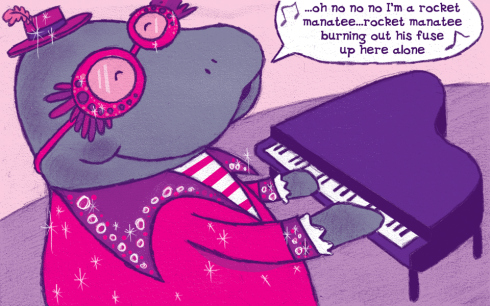
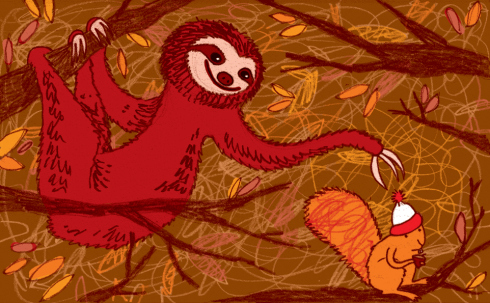
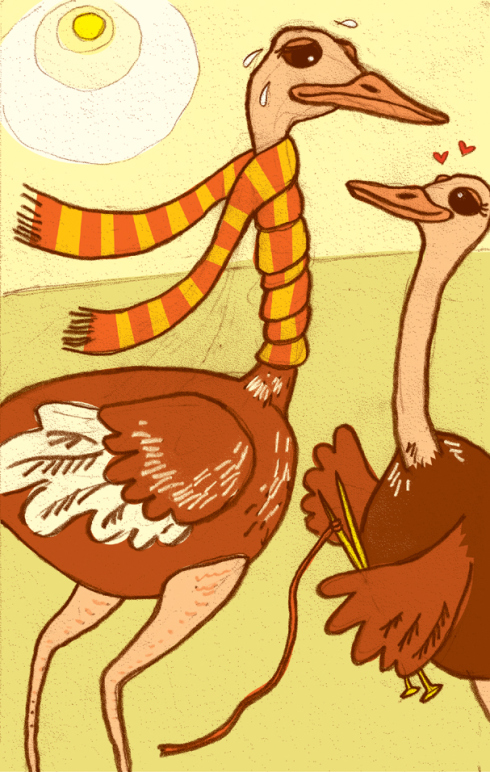
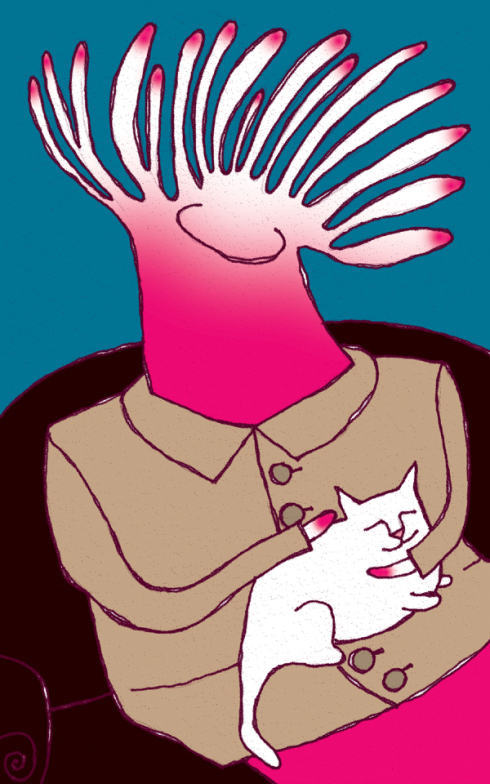
I ended up with pairings like “victorious chinchilla” and “lost ocelot.” “Glittery manatee” and “theiving sloth.” “Bashful anteater” and “uncomfortable ostrich.” “Maniacal anemone!” It was great fun to illustrate all these animals I didn’t normally draw; it was especially fun to come up with stories (not written, but implied in the illustration) for why the chinchilla was victorious, for why the ostrich was uncomfortable. And what would the sloth steal?

chinchilla

ocelot

manatee

sloth

anteater

ostrich

anemone

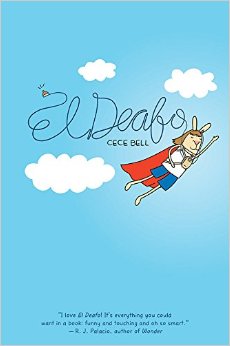
I was a cheap boss. I didn’t pay myself a cent. But the rewards of my little project were copious. My brain loosened up. I learned some new illustration techniques. I began to love being an illustrator again. I GOT OUT OF THAT FUNK. And guess what? When I decided to submit “mustachioed fly” to my agent to turn into postcards, I got hired to illustrate Diane Mortensen’s picture book Bug Patrol for Clarion. This job led to a relationship with Clarion that made my picture book with Tom Angleberger (Crankee Doodle) possible, and then that helped me loosen up to do El Deafo. Now I’ve got more work than I can shake a stick at!

My little project was focused on illustration—but it could work for writing, too. TOTALLY!

So, my humble two cents (I happen to have those cents because I didn’t pay myself earlier, remember?) is that if you pursue this line of work—or any line of work—do so because you love it. Try not to lose sight of that love. And hopefully, that love, plus a lot of hard work and little bit of luck, will get you where you want to be.

guestbloggerbio2014

eldeafoCece Bell lives in an old church with her husband, author Tom Angleberger, and she works right next door in a new-ish barn. El Deafo, her first graphic novel, is a slightly fictionalized memoir about her childhood, her hearing loss, her first crush, and her quest for a true friend. She has written and illustrated other books for children, including the Geisel Honor book Rabbit & Robot: The Sleepover; Itty Bitty; Bee-Wigged; and the Sock Monkey series. You can read more about her at www.cecebell.com. Follow along on Twitter @cecebellbooks.


Like this site? Please order one of my books! It supports me & my work.

FLAT CAT is the winner of multiple state book awards, selected by kids!

Enter your address to receive this blog via email.

Join 14.5K other subscribers

My Books

Blog Topics

Archives