by Josh Funk

Hiya, Storystormers! January is winding down and you’ve filled your notebook with so many ideas! Great work! (unless you’re still trying to figure out how to register, in which case, you can find the answer here)

Storystorm is all about idea generation. And marketability should be a large part of the ideas you pursue writing come February 1st. Chances are good that not all of your ideas are blockbuster sure fire hits. But maybe they could be with just a little twist.

When I lead workshops about writing picture books, I often joke that you should “stay away from the farm”—and by that I mean, don’t write books about farm animals. We’ve had picture books about farm animals since the beginning of picture books. We don’t really need any more. (the same applies to woodland creatures)

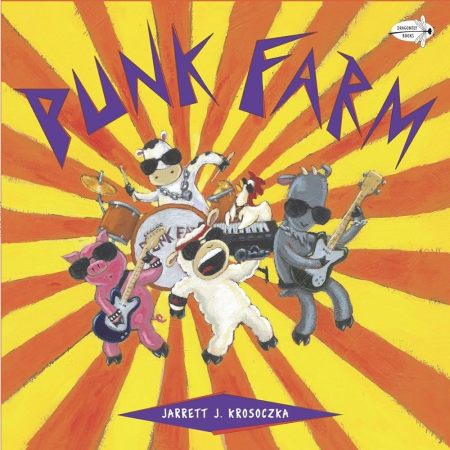
Unless, that is, your farm animal picture book is so special that it will stand out from the decades-worth of picture books about farm animals that came before it. But how do you make that happen? Maybe the cows learn to type. Or maybe the animals start a punk rock band. Or maybe it’s a girl power celebration.

I’ve always been a fan of mashing up ideas, as Teresa Ho Robeson suggested last Sunday. But what if instead of taking multiple ideas and smashing them together, you took a single idea and threw it in a blender: change a critical piece of the story such as the genre/setting/time period.

For example, Jessie Sima’s SPENCER’S NEW PET is about a boy and his new dog (one of which happens to be a balloon). Sounds fun, right? But you know what makes it even better? It’s told in the style of an early 20th century silent film – wordless, monochromatic illustrations, title cards breaking up sections.

Do you have a fairy tale retelling on your idea list? Deborah Underwood & Meg Hunt created a Cinderella retelling where she’s a mechanical fix-it whiz. Could it have taken place in traditional fairy tale times? Sure. But instead, they moved it to futuristic outer space, making INTERSTELLAR CINDERELLA stand out even more in the crowded fairy tale retelling market.

I recently read a YA titled MURDER FOR THE MODERN GIRL by Kendall Kulper and it takes the cake for genre mash-ups (and it was a very good book, too). The best I can describe it is a Gatsby-era, historical fiction, murder mystery(ish), serial killer, legal, political, medical, young adult romantic thriller with hints of an X-Men origin story (not in the ‘hero’ sense, but in that the two main characters each have ‘special powers’) – so I guess you could add fantasy to that list, too? And none of that even spoils anything.

What about me, you ask? Well, thanks for asking. I’ve had a lot of luck changing the genre of each book in the LADY PANCAKE & SIR FRENCH TOAST series.

Book 1, LADY PANCAKE & SIR FRENCH TOAST, is a race (for the last drop of syrup).

Book 2, THE CASE OF THE STINKY STENCH, is a mystery.

Book 3, MISSION DEFROSTABLE, is an action/adventure spy-thriller (it’s actually more inspired by Indiana Jones and the Last Crusade than Mission Impossible, but MISSION DEFROSTABLE was a better title).

Book 4, SHORT & SWEET, is a sci-fi comedy/magical-bodyswap (think Honey, I Shrunk the Kids meets Freaky Friday or Big).

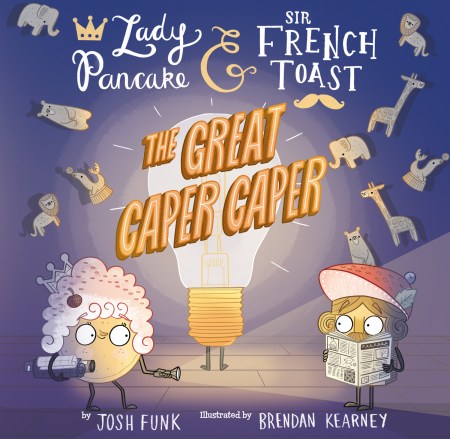
Book 5, THE GREAT CAPER CAPER, is a Las Veggies heist (it’s basically Ocean’s 11 in the fridge).

And this fall, book 6, which I am officially announcing right now, will finally be available. It’s an alien invasion titled …drumroll please … ATTACK OF THE SCONES!

(sorry for the tease, the cover reveal will be revealed next month, but you can preorder it now—out on 9.3.24)

So today, I suggest coming up with some genres you enjoy, or settings you like to read about, or time periods you’ve always been fond of—and jotting those down as ideas.

Then scan over your nearly complete list of ideas you’ve generated this month and see if any of those genre/setting/time-periods might just make some of your ideas stand out even further.

Who knows? Maybe a few years from now we’ll finally get to read your superhero detective farm animal picture book set in winter during the French Revolution on Mars (and if someone does write that book, you better dedicate it to me).

Josh Funk is offering one of either a picture book critique or a signed copy of any of his books to THREE lucky winners.

You’re eligible to win if you’re a registered Storystorm 2024 participant and you have commented only once on today’s blog post.

Prizes will be distributed at the conclusion of Storystorm.

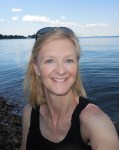
Photo Credit: Carter Hasegawa

Josh Funk is a software engineer and the author of books like the LADY PANCAKE & SIR FRENCH TOAST series, DEAR UNICORN, DEAR DRAGON, MY PET FEET, the ​IT’S NOT A FAIRYTALE series, the HOW TO CODE with Pearl and Pascal series, the A STORY OF PATIENCE & FORTITUDE series, and more.

Josh has written a comprehensive “Guide to Writing Picture Books” that’s available for free on his website’s Resources for Writers section.

For more information about Josh, visit him at JoshFunkBooks.com and on social media at @joshfunkbooks.

by Hope Lim

We all need a quiet moment to connect with ourselves and our ideas.

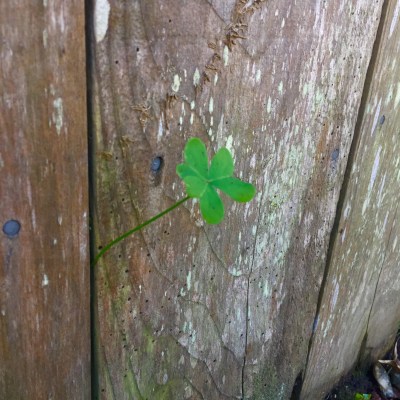
The idea for SOURGRASS came to me in an unexpected way. I was sitting quietly in my backyard and spotted a single stem of sourgrass poking through the tiniest crack of our fence. Its green leaves were in our yard and the rest of the stem and roots were in our neighbor’s yard. I smiled at the delightful and whimsical sight, then started to wonder why it chose to grow that way, and if there was a reason for it to appear on a day when I was feeling anxious about all the changes in life.

Within that quiet moment of watching and wondering, I noticed how that single stem of sourgrass seemed to embody so much hope and possibility by growing through the fence, a wall of separaton, connecting the two yards. I gladly took it as a sign of hope from nature telling me everything would be okay.

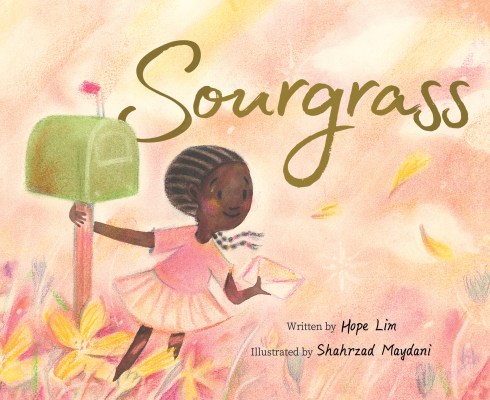
For days, the image of that sourgrass stem and the feelings it evoked stayed with me and inspired me to create the first draft of SOURGRASS. For several months, SOURGRASS went through countless revisions and eventually developed into a story about two best friends, Sofia and May, who turn the ordinary into the extraordinary until May’s moving away changes everything. Then I received feedback that gave me pause. It questioned whether I had gone deep enough with my story in terms of creating an emotional arc.

I gave myself a week break and sat down in front of my computer with the latest version of SOURGRASS. I still remember myself walking into the scene where Sofia was left alone in her yard after May’s departure. Her feeling of emptiness was acute, and I asked myself what made Sofia feel that way and what she would have wanted during a time of difficult change. Within that quiet moment of rumination, the image of the single stem of sourgrass which evoked a sense of hope washed over me. I wanted to plant the sense of a hopeful return in the story. And sourgrass was a perfect vehicle as it reliably returns every spring and has resilience as a wildflower. I decided to make sourgrass a central part of the friendship.

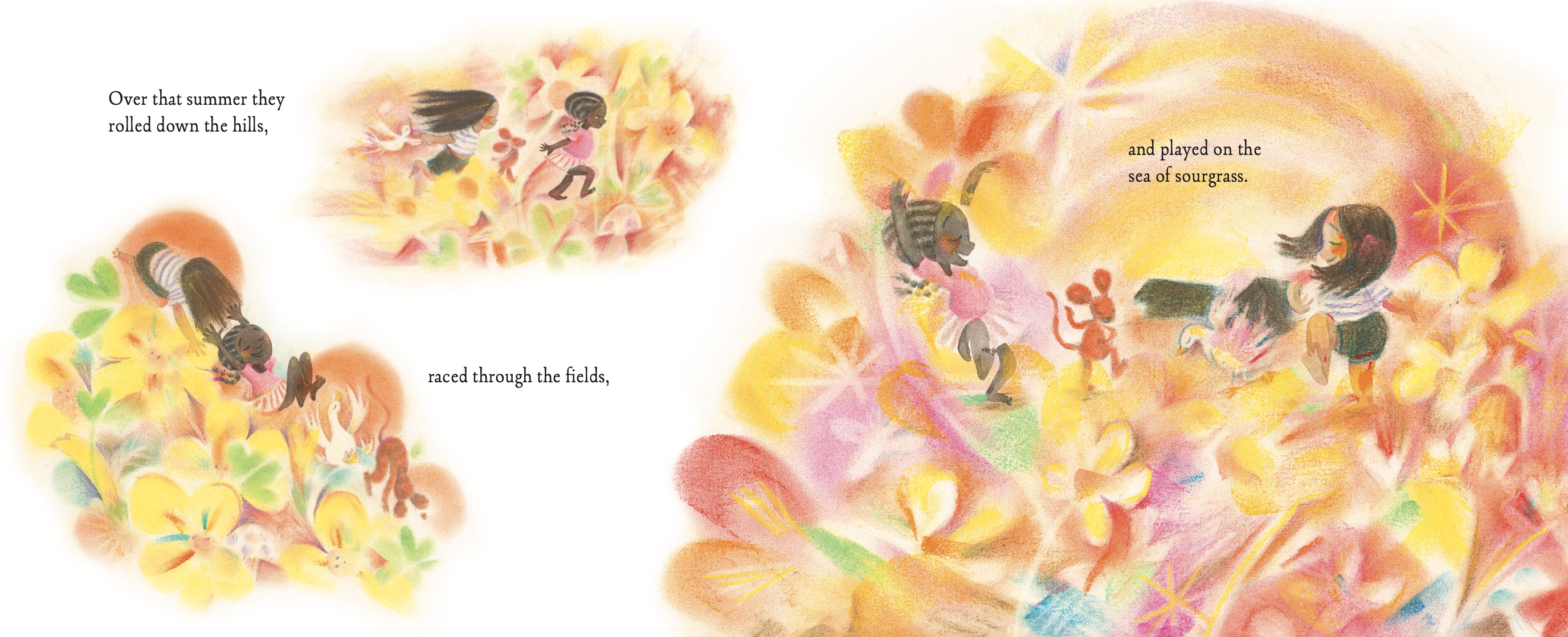
During this second phase of re-writing, I remembered one afternoon when sourgrass returned to me. In hindsight, I would say it was a serendipitous encounter, for it inspired me to create the wild field of sourgrass in the story. I veered off from my running routine and decided to go down a new path. Within moments, a field of sourgrass flowers appeared in front of me, and I stopped, awed by the yellow flowers dotting the entire field under the shimmering sunlight. I felt as if the single stem of sourgrass grew out of my backyard and spread all over the wild within a few weeks to reassure me with a message of hope. And I was there alone in the field until I was ready to run home.

In SOURGRSS, Sofia and May venture out of their yards and find a wild field of sourgrass. This discovery that they make on their own is significant, for it enables them to expand their horizons like good friends do for each other and create shared memories that help them stay connected through a trying time. I love this image of the two friends looking at their discovery together, and how the brilliant Shahrzad Maydani captures them cinematically as if they are standing at the threshold of something amazing.

In our lives, many things happen or come to us in an unexpected way, often catching us off guard. I find that ideas come to us serendipitously and often lead to the beginning of a story. If I hadn’t gone outside that day when I was feeling uncertain, I wouldn’t have seen the single stem of sourgrass. If I hadn’t decided to take a new path, I wouldn’t have found the field of sourgrass flowers. What made these encounters fulfill their potential were the quiet moments I gave to myself to connect with them. In those moments, I re-imagined SOURGRASS to be a story where Sofia learns to live in hope and keep her trust in May by connecting with sourgrass, a symbol of their friendship.

In today’s endless stream of information and constant stimulation, we need to slow down and find time to stay quiet with ourselves more than ever. I can assure you that in those quiet moments with ourselves, our breath, emotions, and characters, and with anything that catches our eye, ideas can come to us, revealing deeper meanings, and inviting us to start a story and finish the journey of making it into a book.

Hope Lim is giving away a signed copy of SOURGRASS to two separate winners.

You’re eligible to win if you’re a registered Storystorm 2024 participant and you have commented only once on today’s blog post.

Prizes will be distributed at the conclusion of Storystorm.

Hope Lim is a children’s book author from South Korea and now lives in San Francisco with her family. When she is out on her daily run, she finds quiet moments to connect with nature and her story ideas.
SOURGRASS will be released by Beach Lane Books/S&S on March 26, 2024. Hope’s other books include MOMMY’S HOMETOWN, and I AM A BIRD by Candlewick Press, and MY TREE by Neal Porter Books/Holiday House. You can find Hope on Instagram @hopelim_sf or HopeLim.com.

by Chana Stiefel

Hello, Storystormers! This post is about YOU and I. I know, grammarians, you want to say YOU and ME. But please bear with me. Today’s challenge is to play with Point of View (POV). As Mary Kole writes in her craft book WRITING IRRESISTIBLE KIDLIT, “POV is the lens through which a story is told….If you think of the story’s narrator as a camera, where is the camera?”

Our POV options are first, second, or third person: I, You, or He/She/They/It/.

(See? YOU and I!) Let’s start by brainstorming a story idea told in first person: Hand the camera over to a person, place, or thing and see things through their POV.

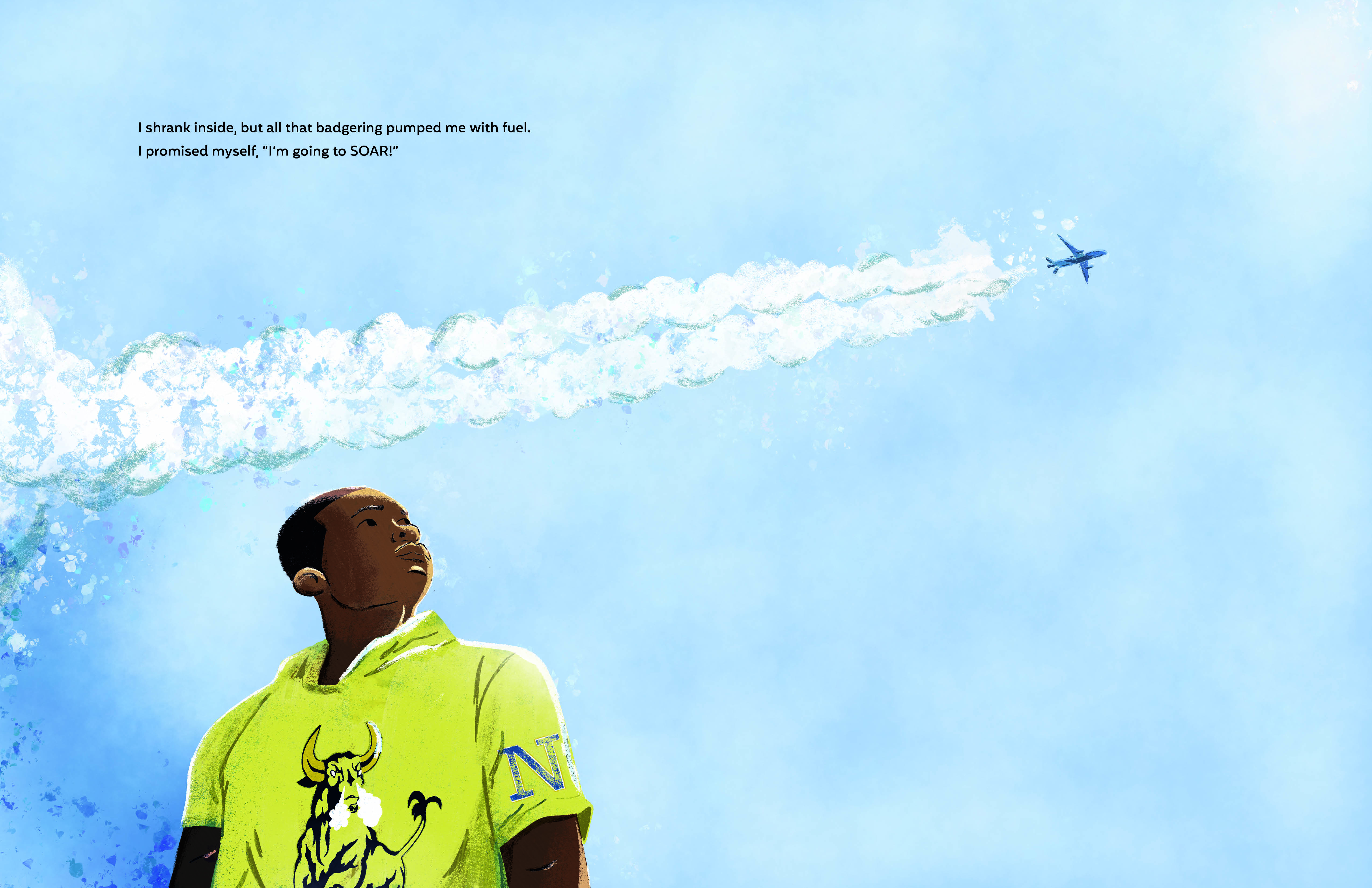
This can work for both fiction and nonfiction. My next picture book is an autobiography. But it’s not about me! It’s about my co-author Barrington Irving, who broke records as the youngest person and first Black man to fly solo around the world. I’ve worked on this story for about eight years. Initially, I subbed it in third person, but received a plane-load of rejections. Then I thought back to my children’s years in preschool and how their favorite thing was imaginary play. They loved to line up chairs and pretend they were flying an airplane. And I thought, why not tell Barrington’s story in first person, with the reader in the co-pilot seat? Thankfully, Barrington was on board! The first lines read:

“I’m a dream chaser. A solo flier. A world-record breaker.

I’m Barrington Irving.

People said I’d never make my dreams come true.

But I powered through! Want to know how?

Buckle up! Flight controls…check. Fuel…check. Electrical power on. Cockpit door locked. Start the engine. Ground control, ready for takeoff.

Let’s fly!”

See how a first-person narrator can draw in the reader? Stay tuned for LET’S FLY: BARRINGTON IRVING’S RECORD-BREAKING FLIGHT AROUND THE WORLD, illustrated by Shamar Knight-Justice, coming from Dial/PRH on October 15, 2024. Enjoy this sneak peek!

Here are some other recent books told in first person:

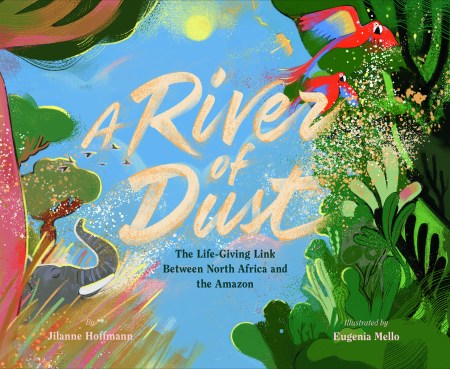
A RIVER OF DUST: THE LIFE-GIVING LINK BETWEEN NORTH AFRICA AND THE AMAZON by Jilanne Hoffman, illustrated by Eugenia Mello (Chronicle Books, 2023). The first lines:

“I am dust, the dust of North Africa. I connect continents.”

This book takes readers on a journey of thousands of miles with dust from the Sahel and Sahara, crossing the Atlantic Ocean, bringing essential nutrients to the Amazon rainforest. It’s a story about global connectedness, the environment, and how tiny particles can have a major impact…all narrated by dust!

Jilanne says, “In my first draft of A RIVER OF DUST, third person omniscient felt distant, like a travelogue. To bring the reader in closer, I wrote the second draft from a child’s perspective, but it still felt too distant from ‘the real action’ of the story. When I finally tried to write from the perspective of dust (thank you, Miranda Paul for suggesting!), I wrote several openings: quirky dust, sassy dust, silly dust, etc. before finally landing on regal, yet vulnerable, a fitting voice for a phenomenon of global importance.”

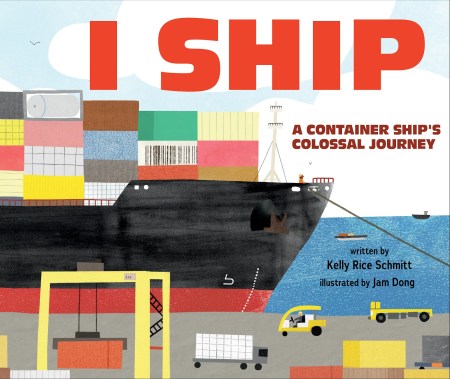
I SHIP: A CONTAINER SHIP’S COLOSSAL JOURNEY by Kelly Rice Schmidt, illustrated by Jam Dong (Lerner 2023). The first line reads:

“Made of steel,

colossal,

strong,

I ship around the world.”

Another round-the-world adventure, kids will love this inside look at a container ship’s journey transporting toys, food, and medicine. Kelly says, “I chose first person POV (and present tense) to help better convey the emotions of this gigantic journey and to let readers feel like they were taking the journey with the crew and ship. It also allowed for succinct, sparse writing that works well for creating a poetic, rhythmic feel to the text—like being on a ship.” The second book in the series, I FUEL, (Fall 2024) is the story of where our energy (both old and new) comes from—narrated by oil himself!

A few more favorites: I AM HAVA: A SONG’S STORY OF LOVE, HOPE AND JOY by Freda Lewkowicz and Siona Benjamin. This is the story behind “Hava Nagila,” (“Let’s rejoice!”) the Hebrew song sung at weddings, bar and bat mitzvahs, and other Jewish celebrations. It’s told from the perspective of the song itself, depicted as a blue woman in a sari, reflecting the illustrator’s Indian-American Jewish heritage. (Now that I’ve searched “Hava Nagilla” on my computer, lots of renditions have been showing up on my feed. I love this one!)

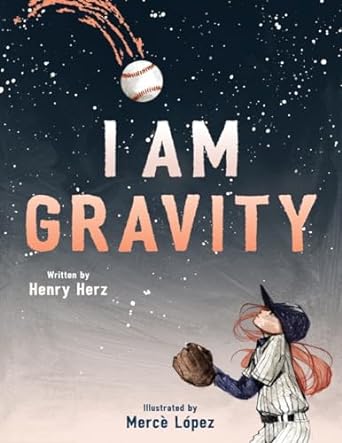
In I AM SMOKE, by Henry Herz, illustrated by Mercè López, Smoke itself acts as narrator, telling us how it has served humankind since prehistoric times in signaling, beekeeping, curing and flavoring food, religious rites, fumigating insects, and myriad other ways. And a second book is coming soon: I AM GRAVITY! Now that’s heavy!

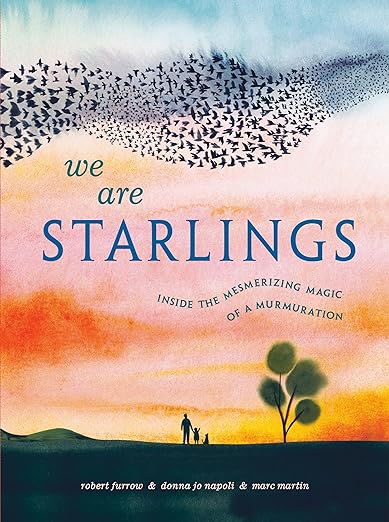
And remember, we can go plural too! Check out this stunning book: WE ARE STARLINGS: INSIDE THE MESMERIZING MAGIC OF MURMURMATION by Robert Furrow, Donna Jo Napoli, and Marc Martin.

As you journey through your day, consider taking on the first-person perspectives of the objects, people, or places in your path. Any story ideas come to mind?

HEY, YOU! SECOND PERSON

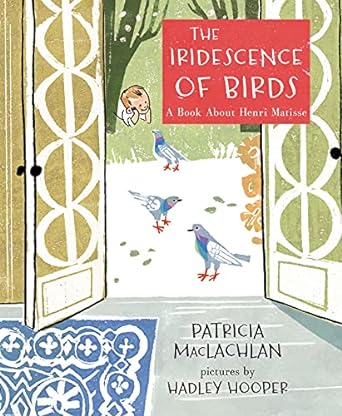
Now consider second person. Here the action is driven by a character known as YOU. It’s like handing the camera over to the reader and asking them to see themselves in the story (kind of like a selfie). YOU are here! My favorite mentor text for second person is THE IRIDESCENCE OF BIRDS: A BOOK ABOUT HENRI MATISSE, by Patricia MacLachlan and Hadley Hooper (Roaring Brook, 2014). The entire book is essentially two sentences, an incredible feat that begins:

“If you were a boy named Henri Matisse who lived in a dreary town in northern France where the skies were gray

And the days were cold

And you wanted color and light

And sun…”

With second-person, the reader is immediately immersed in the life and imagination of the artist Matisse. Simply sublime!

Several recent books that promote social-emotional growth use second-person to invite readers to connect with their feelings. One of my favorites is WHATEVER COMES TOMORROW by Rebecca Gardyn Levington, illustrated by Mariona Cabassa (Barefoot Books, 2023), which empowers children to manage anxiety. It begins:

“Tomorrow may bring changes that are scary, strange or new.

Tomorrow may bring chances to embrace your truest you.”

Now it’s YOUR turn! What ideas come to mind that address the reader in second-person?

COMING HOME: THIRD PERSON

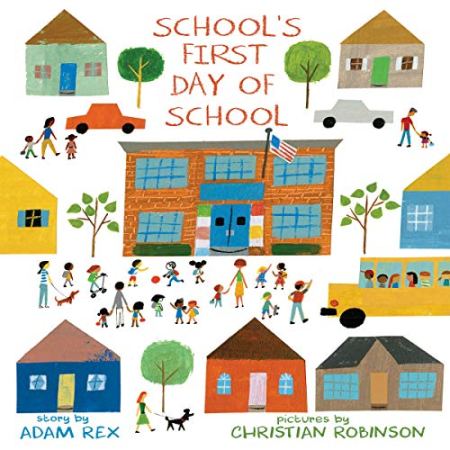
Most picture books are written in third person, with the camera hovering above the scene. And that’s fine. But consider flexing your creative muscles in terms of perspective. One great example is SCHOOL’S FIRST DAY OF SCHOOL by Adam Rex, illustrated by Christian Robinson (Neal Porter, 2016). How does a new school perceive the students and all of the drama and learning that takes place inside its walls?

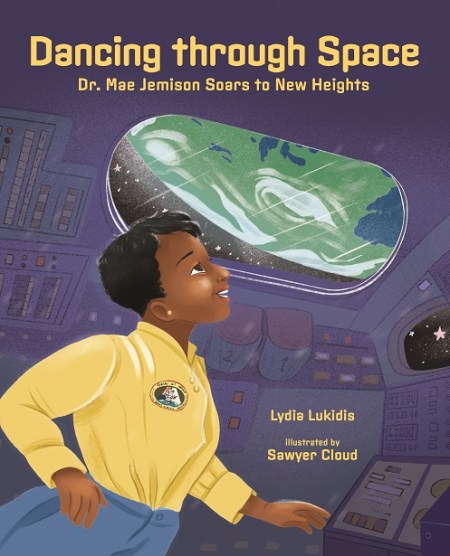
Another third-person creative flex: Try a dual narrative. Here’s what author Lydia Lukidis says about dual narrative in her upcoming book (April 4, 2024): “DANCING THROUGH SPACE: DR. MAE JEMISON SOARS TO NEW HEIGHTS [illustrated by Sawyer Cloud] began as a simple narrative biography told in the 3rd person. Five years later, inspiration finally struck and I found my hook: the intersection of science and dance. I wrote several more drafts but was struggling to find a way to incorporate both Jemison’s love for science and dance. It felt like two separate stories. One day, inspiration struck and I realized it needed to be written as a dual narrative. The POV never changed, it’s still third person, but it was fun to chronicle two stories relating to one person. The dual narrative eventually merges together and illuminates how art and science are both essential parts of our world.”

So people, play with POV! I hope this sparks some fresh, new ideas for YOU (& ME)! Let me know how it goes in the comments.

Chana is offering a 30-minute AMA on Zoom and a signed copy of LET’S FLY! to one lucky winner.

You’re eligible to win if you’re a registered Storystorm 2024 participant and you have commented only once on today’s blog post.

Prizes will be distributed at the conclusion of Storystorm.

Chana Stiefel is the award-winning author of more than 30 books for children. Her picture book, THE TOWER OF LIFE: How Yaffa Eliach Rebuilt Her Town in Stories and Photographs (Scholastic), has won many honors, including the 2023 Sydney Taylor Book Award, a Robert F. Sibert Honor, the Margaret Wise Brown Prize, and the Malka Penn Award for Human Rights in Children’s Literature. Chana’s other nonfiction titles include LET LIBERTY RISE: How America’s Schoolchildren Helped Save the Statue of Liberty (Scholastic) and the upcoming LET’S FLY (10-15-24, Dial/PRH) co-written with Barrington Irving, who broke the record as the youngest person and first Black man to fly solo around the world. Chana is a member of 12 x 12 and PBSpree 2024. Learn more at ChanaStiefel.com and follow @chanastiefel on Instagram.

by Bridgitte Rodguez

When I was a kid, I hated creative writing. I just wasn’t good at making up stuff. I loved reading, and getting lost in other worlds and characters. But I just could not come up with my own ideas. It was stressful and I did not enjoy it.

And now, here I am, a writer, all these decades later, coming up with my own story ideas. However, I still don’t make things up in my stories. All my stories stem from some experience I have had either recently or back when I was a kid and are grounded in the real world. I am a writer who writes what they know. Though I marvel at writers who can weave a tale from anything! Alas, this post is about using your own experiences to write informational picture books.

Informational picture books are fiction. But they are fiction grounded in reality. Where the people, places, things, events are real, or could be real. Most often the reader will come away having ‘learned’ something. Sometimes they include an author’s note or back matter or factual sidebars within the text. They come in a variety of formats.

The book is somewhat dated now, but PICTURING THE WORLD Informational Picture Books for Children by Kathleen T. Isaacs, published in 2012, states, “Nearly all informational books are about concrete subjects, things that can be seen and heard and touched, the lives of real people, places that can be visited or the stories of real events. That connection with the real world is the heart of the attraction of informational books.”

I am a huge fan of informational picture books—I like real things, I like learning about real people, real places. My debut picture book, A WALK THROUGH THE REDWOODS, illustrated by Natalia Bruno, and published by Reycraft Books, is an informational picture book.

It’s based on my real experiences of walking through the redwoods. The story itself is fictional—though, I am the “aunt” in the story. When I initially wrote the draft for this, in the summer of 2020, sitting on a bench in Central Park, the adult started out as a mom, then a dad, and then I decided I wanted to be in the story! As I don’t have children—but have a host of nieces and nephews, I figured, that could be an additional layer to the story, an aunt with their niece/nephew—we are so often not seen.

Before writing this book, I had never walked through the redwoods with my nieces/nephews, but I myself had taken many walks through the redwoods during my college years at the University of California, Santa Cruz, which is nestled among a redwood forest. So I drew upon all the experiences I had then, to fill out the story.

Additionally, as the story was taking place in a real place, the redwoods, I wanted the animals and plants mentioned to be real. Initially, the facts were included in the text, and the aunt was imparting this knowledge to the little girl. It was my editor who suggested I remove those facts and include them as sidebars, which is what happened.

The story doesn’t need to be the entire experience but the experience serves as the initial spark. Use your real life experiences to tell a story that others can experience through your words—and learn something along the way. That is what I wanted to do with A WALK THROUGH THE REDWOODS. I wanted folks, kids, anyone, who’d never seen or been to the redwoods, to get that experience of what it would be like to walk through the redwoods.

In my preparation for this post, I began researching for informational picture books. There are a ton! I am now keeping a spreadsheet of the ones I liked. But I came across some basic themes: Place, Activity, Food, Culture, Personal Stories, Nature, Emotions. Some books touch on multiple themes. Below are a few books in each of the themes that I thought did a great job. Of course, there are many, many more!

  • For nature: check out any of Nell Cross Beckerman’s books and Kate Messner’s Over and Under series.
  • For a food/culture theme: Freedom Soup by Tami Charles/Jacqueline Alcantara, Watercress by Andrea Wang/Jason Chin, and Masala Chai, Fast and Slow by Rajani LaRocca/Neha Rawat.
  • Books that take you to different places: My Two Border Towns by David Bowles/Erika Meza, Homeland My Father Dreams of Palestine by Hannah Moushabeck/Reem Madooh, and Sari-Sari Summers by Lynnor Bontigao.
  • For books about an activity: Challah Day by Charlotte Offsay/Jason Kirschner, Woven of the World by Katy Howes/Dinara Mirtalipova.
  • For books about emotions: A Blue Kind of Day by Rachel Tomlinson/Tori-Jay Mordey and Whatever Comes Tomorrow by Rebecca Gardyn Levington/Mariona Cabassa.

So my challenge to you for today is to mine your experiences and see which ones might make for a compelling picture book! Some experiences to think of: Food, Cultural Events, Nature Activities, Places, Emotions. Really the topics/themes are endless!

Bridgitte Rodguez is giving away  a copy of her book A WALK THROUGH THE REDWOODS and a virtual classroom visit to one lucky winner.

You’re eligible to win if you’re a registered Storystorm 2024 participant and you have commented only once on today’s blog post.

Prizes will be distributed at the conclusion of Storystorm.

Bridgitte Rodguez currently lives in New York City by way of Los Angeles, Washington, DC, Santa Cruz, San Diego and Puerto Rico. When she’s not rearranging her apartment for the thousandth time, she writes books for kids of all ages mostly stemming from her personal experiences focusing on nature, family and culture. You can find her at BridgitteRodguez.com and occasionally on social media at @KidsBookWriting.

by Gabi Snyder

Hello, Storystormers! You’ve made it to day 24 and I suspect you’ve already collected several shiny new ideas. Hooray!

BUT, alas, what about those old ideas that won’t leave you alone, that haunt your sleep and follow you everywhere? Maybe you have one particular idea that’s near and dear to you. You’ve tried writing it three, five, fifteen different ways and nothing quite works. You’re tempted to bid that idea a forever farewell, and yet you know there’s a reason you keep coming back to it. There’s something there. But how can you discover the perfect way to turn that beloved idea into a stellar story?

Well…no promises but try these sideways approaches to discover a new portal into your story!

THE MIX AND MATCH APPROACH!

Compile a list of old ideas that you still love but have not yet been able to write into a winning story. Write each idea on a sticky note for easy mixing and matching.

Look at your list. Do you see any ideas that seem to go together, perhaps complement each other? If so, create a list of five ways you could combine those ideas into a new idea.

Now look for ideas that seem worlds apart from one another. What would happen if you combined those disparate ideas? Can you create something new and surprising?

THE UNEXPECTED APPROACH!

For a particular idea, create a list of at least five ways you could write the story in wholly unexpected ways – the stranger the better. For instance, if your idea is “octopus Houdini” inspired by the true story of Inky (https://www.nationalgeographic.com/animals/article/160414-inky-octopus-escapes-intelligence), what are five unlikely or unusual ways to approach that story? For example:

  1. The octopus hypnotizes her audience, including the reader!
  2. Instead of focusing on the octopus’s amazing escapes, the story focuses on the octopus’s amazing appearances. She unexpectedly appears in surprising places.
  3. The unlikely friendship between the octopus and the person charged with recapturing her.
  4. The octopus escapes through a magic door and enters a world of mythical creatures.
  5. The octopus is actually another creature disguised as an octopus.

I imagine your list will be totally different. Have fun with it–play!

THE BALDERDASH APPROACH! (for a group)

“Balderdash” is one of my all-time favorite words (and it’s also on Tara’s list of 500+ Fun, Cool, and Interesting Words). Balderdash is also one of my favorite boardgames, and that’s probably because it involves making things up—but within parameters. During gameplay you invent answers to particular questions in an attempt to fool your opponents. For our StoryStorm purposes, let’s tweak the usual Balderdash categories into these three—

  • Unusual words: You and your critique partners take turns sharing unusual, important, or intriguing words from your ideas or stories that you have not yet shared with each other. You know why a particular word is important to your story, but your CPs don’t. In guessing the why behind the word, your CPs might come up with potential connections you hadn’t considered!
  • Characters: You might have an idea or story that involves a key character. You have an idea of who this character is. But your fellow players/writers aren’t familiar with the character, so when you give them the character name, they’ll make up completely new character descriptions. You might end up liking one of their descriptions enough to borrow it for your story!

{One of my favorite characters–the cat from TWO DOGS ON A TRIKE, illustrated by Robin Rosenthal!}

  • Titles: If you have a story titled “The Bridge,” your critique partners would share one-line descriptions of what they think your story is about. And again, one of their ideas might inspire a new approach to your story. In the game of Balderdash, sometimes the simplest answer ends up being the right answer. If your story has become overcomplicated, you might find a simpler idea among your critique partners’ answers.

I hope these suggestions give you some fodder for play. Take what resonates with you and ignore the rest! Happy idea generating!

Gabi Snyder is giving away a choice between one 30-minute “Ask Me Anything” Zoom or one picture book critique. The winner will also receive a copy of her latest picture book, TODAY (out January 30, 2024).

You’re eligible to win if you’re a registered Storystorm 2024 participant and you have commented only once on today’s blog post.

Prizes will be distributed at the conclusion of Storystorm.

Gabi (rhymes with “baby”) Snyder is a fan of the unexpected and the author of several picture books including TWO DOGS ON A TRIKE, illustrated by Robin Rosenthal; LISTEN, illustrated by Stephanie Graegin; and COUNT ON US!, illustrated by Sarah Walsh. Gabi is also the author of the upcoming picture books TODAY (coming January 30, 2024) and LOOK (coming April 16, 2024).

Gabi studied psychology at the University of Washington and creative writing at The University of Texas. When she’s not writing, she loves taking nature walks and baking sweet treats. She lives in Oregon with her family. Learn more at GabiSnyder.com or connect with her on Instagram @gabi_snyder_writer.

by Adriana Hernández Bergstrom

By this point in Storystorm, I’m sure you have a LOT of ideas. Smoke might even be pouring out the sides of your ears. Your eyes might be spirals of overwhelm. 😵‍💫 Do not despair! Let’s take a moment today to organize your ideas and get a few of them ready for the rest of the writing process. Clearing your mind a little may even inspire some new ideas when you’re done.

Firstly, how are you keeping track of your Storystorm ideas? Maybe you’re using the official Storystorm notebook, maybe each idea is on a separate page or post-it note, or maybe you prefer a digital list on your phone. Whatever you do, make your ideas easy to access and simple to find. Bring all your ideas together in one place.

Next, let’s sort them. It helps me to do this on paper so I can think without distractions.

Take a moment to look at your list of ideas one by one. Do any of them stick out to you or give you a little jolt or make you smile? Does your imagination run away with any of them? Do any ideas make you want to draw or write more? Let’s mark those ideas as your top contenders.

For my top ideas, I like to doodle and do a bit of visual note-taking. Take your top three concepts and let’s doodle!

Sometimes, like with my book TUMBLE, a word prompt inspires my imagination. TUMBLE came from a “story duel” instigated by my son. He wanted us both to make stories based on the word “tumble.” Immediately images from my time in Texas and New Mexico came to mind, so I sketched them out.

The rough sketches turned into a dummy and the text came afterward. I pitched the dummy to my agent who then asked for full color renderings of a few of the sketches, and we submitted it to publishers.

Not a doodler? How about writing what words, phrases, or thoughts you associate with the idea? That’s what I did with my book COUNTDOWN FOR NOCHEBUENA. The word that sparked the book was “Nochebuena.” Memories of the many Christmas Eve celebrations of my childhood flowed out in a descriptive list.

Every time a related visual or description would come to me, I’d jot them down and put them in a simple 3 prong folder. If, after this exercise, an idea keeps popping up in your life then it’s probably a good indicator of its potential!

Next, if you’re an author-illustrator, it’s time to dummy up your concept. A dummy is a rough mock-up of a picture book. It’s often sketched in greyscale. Here’s what I mean:

These rough thumbnail dummies are how I organize my thoughts about a story. See how some of those early concepts made it into the final art and text?

With each dummy, I’m working through parts of the story that don’t flow, or compositional elements that don’t work. The idea gets more and more refined, until it’s pitch-ready.

I put all these dummies and drafts together in a simple 3-prong folder to keep them together. This way, I can quickly find alternative versions that an editor or art director might request. Plus, seeing all the drafts together is a great reminder that ideas start out rough, and that helps keep perfectionism at bay.

Are you feeling a bit more organized? Are you ready to take an idea to the dummy stage? I can’t wait to see where your Storystorm ideas take you! Feel free to download this blank dummy page to help you get started dummying up your favorite concepts.

Adriana Hernández Bergstrom is giving away a signed copy of one of her books to one lucky winner (winner’s choice).

You’re eligible to win if you’re a registered Storystorm 2024 participant and you have commented only once on today’s blog post.

Prizes will be distributed at the conclusion of Storystorm.

Adriana Hernández Bergstrom is a Cuban-American artist and children’s book author-illustrator. She loves languages and literacy and is the author-illustrator of ABUELITA AND I MAKE FLAN, TUMBLE (Orchard Books, 2023) and COUNTDOWN FOR NOCHEBUENA (Little, Brown, 2023). Follow her on most social media channels as @adriprints, or check out her blog and website adriprints.com.

by Maria Marianayagam

Hey there, fellow writers and storytellers!

Doesn’t it feel like the quest for the next idea is a journey we’re constantly traveling? It feels like we’re always looking up, down, and around, searching for a spark to get us moving on our next story. Today, rather than looking around ourselves, I want to talk about looking within—using our own unique identities as the spark for our next literary masterpieces.

I’ll be sharing insights from my own upcoming works and shining a light on how our personal experiences and the beautiful mix of our identities can serve as the ultimate wellspring for new and captivating stories.

First, I like to think of the many aspects of my identity and make a list:

• Tamil-Sri Lankan • Canadian • Woman • Mom (Amma) • Daughter • Sister • Wife • Engineer • Writer • BIPOC Catholic • Recovered OCD sufferer • Immigrant • Traveler • Mom of mixed-race children • girl-mom • foodie • STEMinist • time-travel enthusiast • and more

Then I mash them up to see what story ideas I can generate. Here are a few examples:

THE AMAZING POWER OF GIRLS, illustrated by Skylar White (Sourcebooks eXplore, 2024)

  • Identities: Woman x Engineer x STEMinist x girl-mom

My debut picture book, a STEM-based, girl empowerment personifies girls as forces of physics—gravity, friction, magnetism, and more—to explain the science of forces, as well as trying to showcase the wonderful characteristics of girls. As an engineer who worked in a male-dominated industry for a decade and a mom to young girls, I wanted a story that would embolden girls to consider a career in STEM.

CURRY MEANS MORE, illustrated by Geeta Ladi (Astra Books for Young Readers)

  • Identities: Sri Lankan-Canadian x foodie

My next picture book delves into the cultural significance of food on identity. I was made fun of smelling like curry as a child and I wasn’t sure why. Drawing from my personal encounters, this story showcases what curry really is, while reflecting on its many meanings to a child.

WAIT TILL YOU’RE OLDER (Sourcebooks eXplore)

  • Identities: Sister x Engineer x time-travel enthusiast

Another picture of mine focuses on a sibling relationship with a time-travel backdrop. I read a nonfiction book about time travel by Paul Davies in high school and it still remains one of my favorites. In this book, he explained how a person could actually travel time. I wanted to create a story that shared this information with the youngest reader, but in an approachable way. Using a classic sibling argument and the age-old adage of “wait till you’re older” helped spark this SEL/STEM mashup.

BABY VIRTUES BOOK SERIES, illustrated by Kat Uno (WorthyKids, 2024)

  • Identities: BIPOC Catholic x mom

Finally, in 2024, my debut board books, BABY HOPE and BABY COURAGE, stemmed from two desires: (1) to distill these big values into simpler concepts that young kids could relate to and (2) to showcase diverse kids as Christians since I never saw this in books growing up. Thus, the Baby Virtues series was born!

Your turn!

  1. List your identities. Think about cultural and faith background. Think careers. Think upbringing. Think about your mental and physical abilities.
  2. List your passions. Ex. baking, traveling, STEM, soccer…
  3. Think about your WHY. Why do you want to write for kids? To inspire, educate, comfort, make a child feel seen…
  4. Mix and match identities and passions. Examples: OCD + STEM, sisters + baking, immigrant + traveling. Your WHY can help you come up with the scaffolding for the story. Ex. I want an immigrant, traveling story that inspires (the premise for an unannounced PB!).

I hope this blog post and exercise showcases just how powerful introspection can be in crafting meaningful stories for young readers. I suggest looking within to find your next story idea!

Maria Marianayagam is giving away a PB critique with career consultation (20 min Zoom).

You’re eligible to win if you’re a registered Storystorm 2024 participant and you have commented only once on today’s blog post.

Prizes will be distributed at the conclusion of Storystorm.


Maria Marianayagam is a Tamil Sri Lankan-Canadian children’s book author. Maria is a former chemical engineer who fell in love with children’s books (again!) after becoming an Amma (mom). Maria enjoys writing lyrical picture books centered on STEM, faith, and South Asian culture, as well as high concept middle-grade grounded in culture. The first two installments of her debut board book series, BABY HOPE and BABY COURAGE (WorthyKids/Hachette), and her debut picture book THE AMAZING POWER OF GIRLS (Sourcebooks eXplore) release in 2024.

When Maria is not writing, she can be found traveling the world, devouring books, and spending time with her wonderful family. She resides in Alberta, Canada, with her husband and two daughters. Sign up for her newsletter for more writing tips (and giveaways!) and follow her on Instagram @msmarianayagam.

by Teresa Ho Robeson

Hulk Smash GIF - Find & Share on GIPHY

According to my “Ideas” notebook, I’ve been participating in Storystorm since 2014 (back in its PiBoIdMo days), though I swear I’ve been doing it for longer.

In those nine years, I’ve written down about 270 ideas from the random ones floating in the universe like dandelion fluff (according to Elizabeth Gilbert in her BIG MAGIC book).

Fly Away Art GIF by Zacxophone - Find & Share on GIPHY

Of those 270 I managed to capture in my notebook, I have drafted eight, thanks to 12×12, the other challenge besides Storystorm that help me keep my ducks writing life in a row.

Ducks Ducklings GIF by The Dodo - Find & Share on GIPHY

Even though I haven’t sold any of those eight manuscripts, and nine other ideas have already appeared as books by others (Elizabeth was right!), I still find myself with an abundance of ideas on my list and not enough time to write them all. After all, even if I only took a month to write and polish one picture book from an idea, it would take me over twenty-two years to write all 270+ of them. And I keep accumulating more from doing Storystorm year after year.

But there is a solution of sorts! And I stumbled upon it unexpectedly.

I was recently approached by a publisher to write a nonfiction middle grade book for a fun concept an illustrator thought of. While drafting the book, seven story ideas from various years of brainstorming managed to show up at the party and became a part of that book. Also, two more ideas ended up in another nonfiction middle grade book (my own concept this time) I’m writing for a different editor! And I didn’t even realize I had included those ideas until I flipped through my notebook and noticed them after drafting both books.

That’s when I smacked my forehead and had a eureka moment.

Who said that each Storystorm idea had to lead to a single story? Surely not Chief Lazar of the Storystorm Police Department. Instead, why not consolidate two or more ideas into a single manuscript?

I had already done this, by accident, but now I plan to do it on and with purpose. When I’m wanting something new to write, I will read through my entire notebook of ideas and try to smash things together like an author cyclotron.

Sometimes I might put similar ideas with each other to create a thesis for a longer work (as in the NF MGs I mentioned above). But other times, I can randomly pair wildly disparate ideas to create really cool and unique plots or situations for fiction, too.

Blue Tongue Skink Creature GIF by Display Name - Find & Share on GIPHY

So, by the power vested in me by the State of (Writerly) Affairs, I hereby grant you permission to do the same! At the end of the year’s challenge, when you look back on all your wild and wonderful ideas, if single ones aren’t leading to worthwhile stories, smash a bunch of them together to create BIGGER MAGIC, and possibly better stories.

Teresa Ho Robeson is giving the winner the choice of either a signed copy of WHO IS TIBET’S EXILED LEADER? THE 14TH DALAI LAMA (Penguin Workshop) or a critique of a nonfiction picture book manuscript under 1,000 words.

You’re eligible to win if you’re a registered Storystorm 2024 participant and you have commented only once on today’s blog post.

Prizes will be distributed at the conclusion of Storystorm.

Teresa Ho Robeson is an Asian Pacific American Librarians Association Picture Book Award-winning author of fiction and nonfiction books on science, nature, and her own culture, from her debut QUEEN OF PHYSICS: HOW WU CHIEN SHIUNG HELPED UNLOCK THE SECRETS OF THE ATOM (Union Square, illus. Rebecca Huang) to the upcoming CLOUDS IN SPACE: NEBULAE, STARDUST, AND US (MIT Kids/Candlewick; illus. Diana Renzina).

When not writing or teaching at The Highlights Foundation, SCBWI, and other conferences, she keeps busy with her family growing, and canning, much of their own food on 27 acres, as well as knitting, sewing, drawing, and sometimes making soap.

Visit her at TeresaRobeson.com or follow her on Bluesky @teresarobeson or Instagram @tmrobeson.

by Karen Kane

It’s Day 20, and we’re in the thick of Storystorm! Honestly, I could stay in this creative phase forever. Me and my notebook filled with ideas.

Add a cup of coffee and I’m in my happy place, with every story idea inside my notebook a world of perfect possibility.

But Day 31 will soon be here and then we make a choice. We keep those wonderful, perfect ideas safely tucked away in our notebooks.

Or we are brave and take one of those ideas and begin writing.

Now, once you take that perfect idea and put it on paper it becomes imperfect.

It becomes real.

Real can be scary.

Again, you must be brave. And you know who can help you be brave?

A friend. A writing friend.

That’s how I wrote ALPHABUDDIES: G IS FIRST!, with my writing partner Beth Bacon:

How do you start writing with a friend?

First, pick an idea.

Don’t pick your heart and soul idea, the heart and soul idea that you love so much you get teary-eyed whenever you give a five-minute pitch to someone who unwittingly asks what you’re writing.

Instead, pick an idea you can be open with. That you can play with. That you can hold onto lightly. At least in the beginning.

ALPHABUDDIES: G IS FIRST! began as a story I had written about a friendship between the letter e and the letter x. Beth read my manuscript and gave me feedback. My story definitely needed more work. However, I was new to writing picture books and not ready to revise.

A few years later, Beth was cleaning up files on her computer and found my old story. She asked if I wanted to collaborate on it.

I said yes!

I intuitively knew the picture book would stay unfinished unless I did something different.

My original idea became our bouncing off point.

Writing together, Beth and I transformed the story of the letters e and x into a story about the letters a and g, with g wondering why a is always first. When can g be first?

Not anytime soon!

Or start with a mentor text.

Pick a book you both love.

Map it out. Look at the structure of the book. Look at the beats. Look at what you love about it. Start to brainstorm. Start to play.

With a middle-grade project, Beth and I used Karen Cushman’s THE MIDWIFE’S APPRENTICE as our mentor text.

We summarized each chapter to find the story beats. Starting with that mentor text, we wrote THE DOG OF SECOND CHANCES, about a boy and a dog both finding a second chance at an animal shelter.

On the surface, our book is nothing like THE MIDWIFE’S APPRENTICE, yet underneath it has a similar structure and emotional resonance.

Beth and I met on Zoom, and we used Google Drive to collaborate. We took time to create the foundation of our stories. We took time to be creative and to play. We both worked on our own writing as well. And collaborating with Beth made me brave enough to reach out to my friend Jonaz and partner on a book with him.

Finally, don’t forget the joy is in the journey.

How do I know that? I wrote it in my journal, so it has to be true.

There’s something magical about saying to a friend, “Let’s write a book!” and you make it up as you go, together. You learn about the craft of writing, together. You learn what works and what doesn’t work, together.

Now there are two of you who both love this one book.  Two people with different strengths, writing something they could have never written alone. And while you are waiting for that book to sell (see THE DOG OF SECOND CHANCES above), you have a friend you can wait with, together.

I would rather write a book and not sell it than to not write it at all.

Of course, I would really rather write and sell books.

Sometimes a project doesn’t work that way. That’s where the brave part kicks in.

But once you say yes and take the plunge with a partner, you don’t need to keep reaching for brave.

You just need to enjoy the journey and see what unfolds.

Then you get the best of both worlds. Your perfect notebook world and your imperfect real world, with real stories you have written.

As long as there’s coffee, both worlds are wonderful to be in.

Karen Kane is giving away two signed copies of ALPHABUDDIES: G IS FIRST! to two separate winners.

You’re eligible to win if you’re a registered Storystorm 2024 participant and you have commented only once on today’s blog post.

Prizes will be distributed at the conclusion of Storystorm.

Karen Kane grew up in Rochester, NY and became a sign language interpreter before becoming a writer. A graduate of Vermont College of Fine Arts, Karen is the author of the Edgar-award nominated book CHARLIE & FROG and its sequel THE BONEY HAND, ALPHABUDDIES: G IS FIRST!  with Beth Bacon, and MONSTER HANDS with Jonaz McMillan (May 2024).

Visit her website at KarenKaneBooks.com  or follow her on Instagram @karenkanebooks.

Karen and Beth will be discussing how they collaborate on Tuesday January 23rd at this free virtual event with the Baltimore Public Library. 

by Julie Rowan-Zoch

“Oh, that’s my dream job!”

That’s the response I get every time I share with other authors that I am a bookseller. And I reply, “It’s a retail job.” My responsibilities and aching feet are not much different. But one advantage—beyond the danger of an employee discount—is the highlight of my week: STORYTIME!

I’ve lucked out over the years with two consistent daycare groups. I’ve learned their names, their likes and dislikes, and how fast that can change as they grow and move on to pre-school. I am challenged to change the content and themes every week, which also keeps me informed of our ever-changing stock to help customers too. Every week I read a LOT of books, looking for titles that will suit my purpose in read-aloud-ability and engagement. My acquired skills help, but I still bomb now and again (read below*)!

Here are some of the bigger lessons I’d like to share as each on its own may aide in the cultivation of ideas this month—and beyond:

READ A LOT: for the bookstore I read at least 20-30 a week (also to post recommendations for upcoming titles). My choices have to be engaging for the age-level, currently 2-3yrs old, and energetic enough to keep some of the babies from crying! Attention spans are very short if I make a mistake.

READ ALOUD: Before I read to kids I read aloud to myself first—it helps me notice which may have content or vocabulary above their level, and helps me gauge the meter and rhythm in rhyming books.

READ IN ORDER: I select 4-5 books for 20 mins of steady listening. I might be able to read more on a good day, but a bad day (windy days!!) will only allow for 3. I read the longest text first and try to balance the rest for pacing—just like in writing!

READ COMPANION TITLES: For efficiency I chose books based on a theme. It also allows me to explore what is currently available on the shelf and to see what the local library has to compliment. This is a writer’s practice too, right? I have found themes with barely any titles—a great prompt to write one myself!

STOP READING: time for fingerplay, food, games, or a craft related to the theme. I love this part because it exercises another area of the creative process and I get a ton of ideas based on their reactions. I like to have two things handy and often throw in 10 (!) rounds of a favorite finger play—they really do love repetition! “Again!!!” Please note: Pick crafts according to skill level and number of adult helpers available!

BE FLEXIBLE: an audience can change on any given day (esp school vacation!). One time I only had a set of grandparents with a baby, so I didn’t read, but we sang a LOT of songs! If older kids join us I can grab a more complex favorite off the shelf to start.

BE FLEXIBLE 2: Like I said, I bomb* occasionally! I may have chosen the wrong books for the mood of the day, or little Tommy just can’t stop crying and everyone else’s attention span is shot! I switch the order of books, change how I read them (will skip text if I must!) or drop ’em cold and go straight to activities. OR I grab a back-up title: ELEPHANT AND PIGGIE almost NEVER disappoint! It’s the DRAMA!

MAKE FRIENDS: with your local librarian(s)! I have learned so much from them about reading to a group. Heck, they are trained!!! They know it’s a hard-earned skill, they have sooo much knowledge, and surprise, surprise—they LOVE to help!

DON’T FORGET: to have FUN! The purpose of storytime is to engage but not to preach. It’s great to share concepts, exercise fine-motor skills (hanging socks on a clothesline is always fun!), and introduce kids to beautiful art, but storytime leaders are like writers too—we are connectors, inspirers, friends!

So, are there any other advantages to working at this retail job?

YES! And I’d love to come back some time for another chat—if you’re game, Tara? (YES, I AM!)

Julie Rowan-Zoch is giving away THREE prizes (to three winners in the US):

  • One copy of LOUIS, written by Tom Lichtenheld, illustrated by Julie
  • One copy of I’M A HARE, SO THERE!, written and illustrated by Julie
  • One copy of NOT ALL SHEEP ARE BORING!, written by Bobby Moynihan, illustrated by Julie

You’re eligible to win if you’re a registered Storystorm 2024 participant and you have commented only once on today’s blog post.

Prizes will be distributed at the conclusion of Storystorm.

Author, illustrator, bookseller, and activist: Julie Rowan-Zoch grew up collecting freckles and chasing hermit crabs in New York, and spent years slicing rich breads in Germany before waking up to 300 days of blue Colorado skies. If she doesn’t answer the door, look in the garden! She is the illustrator of NOT ALL SHEEP ARE BORING!, written by Bobby Moynihan (G.P. Putnam’s, 2022), LOUIS, written by Tom Lichtenheld (Clarion, 2020), and the author-illustrator of I’M A HARE, SO THERE! (Clarion, 2021). Julie is on Instagram @julierowanzoch and her website: JulieRowanZoch.wordpress.com.

Like this site? Please order one of my books! It supports me & my work.

FLAT CAT is the winner of multiple state book awards, selected by kids!

Enter your address to receive this blog via email.

Join 14.6K other subscribers

My Books

Blog Topics

Archives