You are currently browsing Tara Lazar’s articles.
Is your goal to get a picture book published?
Yes? Awesome!
So I’m here to tell you, write a picture book.
Ha! That seems like DUH advice, doesn’t it?
But I don’t want you to waste your time, like I did, writing for magazines, trying to build publishing credits, if magazine writing isn’t your ultimate goal. Magazine writing is a completely different skill, and while credits are nice, they are not going to make or break you. Magazine credits prove you’re a professional and that you’ve been through the editing process, but they won’t convince anyone to buy your manuscript if it’s a sub-par story. You need to hone your picture book skills, and that only comes with writing dozens of picture books.
Agent Ammi-Joan Paquette takes clients based on their submission, first and foremost. “For me, the number one focus is on the writing: the voice, the story, the way the language sparkles and draws me in. If you’ve got that, I’ll follow you just about anywhere. All the writing credits, awards, and fancy degrees in the world—on their own—won’t make me take on an author. It’s about the writing, pure and simple.”
I received some misguided (but well-intentioned) advice when I began writing for children. I was told to place fiction in magazines in order to build my writing resume. So I gave it a shot. Then I found out how difficult it was to place stories. Not any less difficult than getting a book published! (I don’t know why I thought it would be.)
Your story must fit the theme of the magazine issue, which means you’re better off reviewing editorial calendars first, then writing to fill that need. Instead, I wrote what I wanted to write and then found it was only appropriate for a single issue, to be published in three years’ time! Magazines are often booked far in advance. Back in 2008, if I were to place that story, it would have been printed in 2011. Yikes!
Now that’s probably an extreme example, but it’s an important lesson I learned. I was veering off my intended path to publication.
A magazine story has to be more descriptive than the language in a picture book because there are far fewer illustrations to accompany the text. You’re often writing for a single spread with no page turns, and page turns are crucial to picture book pacing, humor and reader anticipation. So I was writing for a wildly different format and not for the goal I desired: to get a picture book published.
Some will argue that writing for credits is necessary prior to getting a book deal, but I say that is incorrect. As long as you have a professional-looking, easily found web presence and membership in a professional writing organization like SCBWI, that’s all you need in your bio to prove that you’re “serious”. The thing you need most of all? You know—a winning manuscript! I had zero children’s publishing credits prior to getting my agent and a book deal. I’m definitely not alone in this.
Children’s magazines are wonderful, but if they’re not your goal, you don’t need to use your precious writing time in this manner. Want a picture book deal? Write picture books! (I say books, plural, because if an agent is interested in your manuscript, that agent will ask for more of your work.)
And I hope that’s not DUH advice!
Do you agree or disagree? Share your opinion in the comments!
I know what you’re thinking—where has Tara been all July? (Well, maybe you’re not thinking that. Maybe you’re daydreaming about a fro-yo fix. And who could blame you?)
Well, it’s August and I’m back with an extraordinary interview. The talented author-illustrator Sarah Dillard turned what she thought was a picture book into an adorable early-reader chapter book. What did it take to get EXTRAORDINARY WARREN published? Let’s find out while we devour our fro-yo…
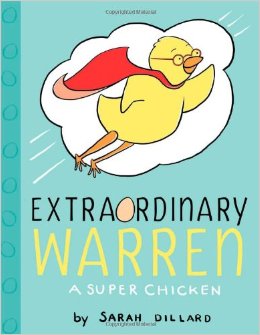 Sarah, what exactly made you realize that WARREN was destined for more than a picture book?
When I started working on Warren, I intended it to be a picture book but I felt that the story and ideas that I wanted to tell with him were a little more complex than the picture book format would comfortably allow. This is not to say that there are not complex picture books because there certainly are. But with Warren, it just seemed like he needed a little room to spread his wings. I didn’t worry about chapters though until a few drafts in. At that point it felt like there were natural breaks in the story for chapters. I have to say, when I am working on something I don’t automatically think “I am writing a picture book or this is going to be a chapter book.” I focus on the character and the story and let it unfold and then see what fits it best.
That’s great advice, to focus on character.
Thanks, Tara. I also wanted to add, that as picture books seem to be skewering younger, there is a great opportunity for illustrated early readers and chapter books to fill the gap for the beginning reader.
So what inspired Warren’s creation? How did he hatch?
Warren began as a doodle of a chicken looking at an egg. He looked curious to me and felt like a character who was looking for life’s answers. Did I draw the egg first or the chicken? I’ll never tell!

My favorite spread in WARREN is the one with the hill in separate panels. How did you come up with that unique visual concept?
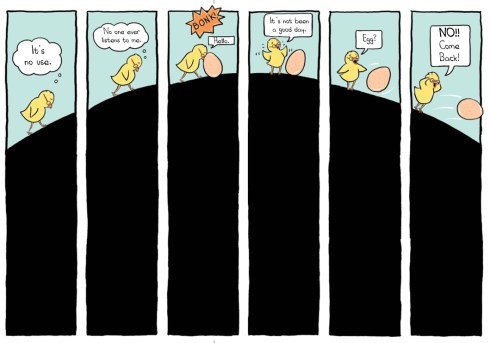
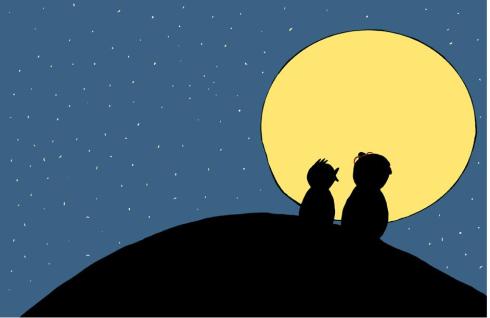
That is one of my favorite spreads too! When I started thinking about how I would do the art for this book, my art director suggested a limited palette—with three colors plus black and white. I was hesitant at first but when I realized that I could use black as more than just an outline, the art took a fun graphic turn. I felt the use of black for the hill added just the right drama for this spread. I also liked the idea of having basically one hill but several panels that show Warren’s progression up and over that hill. I think it works both literally and figuratively for this part of the story.
How different is it to write/illustrate your own book as opposed to just being an illustrator on a project?
I think it is quite different to illustrate my own book than illustrating someone else’s work. Illustrating someone else’s story is a huge responsibility. It is kind of like having someone say here is my beautiful child, please raise it. I am very conscious of wanting to do justice to the story as the author might have envisioned it while also bringing my own sensibility to the story.
When I am illustrating my own work having the art serve the story becomes the primary focus. I’m thinking of the images and what part they will have in telling the story as I write, so the art and the words feel inseparable to me. I think when I am working on my own books I have a stronger intuitive sense of what the story will need and am more willing to take risks to give it that. For instance, WARREN is done digitally and in a style quite different than any I have worked in, but I think it was the best approach for the book.
We’re hearing a lot about how editors want character-driven stories. What about Warren’s character makes him especially appealing?
That is a great question, and I’m glad that you find WARREN appealing! In creating WARREN, I tried to think about things that I thought about as a child, and probably still think about; the big questions—Who am I? What is my place in this world? I think we all want be special in some way but worry that maybe we are not. WARREN taps into that and hopefully it makes him someone that the reader can relate to and cheer on.

 And…are there more WARREN books planned for the future?
I’m happy to say YES! EXTRAORDINARY WARREN SAVES THE DAY will be published in October. I don’t want to give too much away, but I can say that this book will deal with another of life’s big questions. Finally, we will learn, once and for all, why the chicken crossed the road.
Thanks, Sarah!
I’ll let my blog readers know that you’re giving away a signed copy of EXTRAORDINARY WARREN: A SUPER CHICKEN—they just have to leave a comment by August 8th. Hey, that’s even better than fro-yo!
Sarah Dillard studied art at Wheaton College and illustration at Rhode Island School of Design. She lives with her husband in Waitsfield, Vermont. For more about Sarah and her books, visit SarahDillard.com.
 by
by As an author who’s slowly been transitioning from novels to picture books (my first picture book will be out in March 2015), I’ve realized that picture book techniques have started influencing my novel-writing process. Here are a few examples.
1. Brevity and Word Choice
This is probably the most obvious connection. When you’re used to working with 500 words, you tend to get a little pickier about the words you use in longer projects. Even when I have 50k words to work with, for example, I still find myself making sure to cut out unnecessary phrases (particularly unneeded dialogue tags) and using strong verbs and interesting nouns to make each sentence count.
2. Tying the End to the Beginning
This is my favorite picture book technique. In picture books, the ending almost always echoes the beginning of the tale. I love using this approach in novels, reflecting something from the opening chapter in the closing chapter in a different context. This technique shows us that the character has grown and changed, and it also makes the story feel cohesive and satisfying.
3. Repeating for Emphasis
Repetition can be great in picture books, but in novels it can feel like telegraphing. A strong repeated image, however, especially one whose meaning deepens over the course of the story, can work well if it’s revisited throughout the novel. It can help show how the meaning of that image or experience has changed for the character over time.
4. Using the Senses
In picture books, we have to be mindful of not focusing too much on the visual details so that we don’t step on the illustrator’s toes. That means we have to use other senses to give the story depth. I try to use a similar multi-sensory approach in my novels, so I’m not simply describing how things look to the characters, but I’m also thinking about the smells, sounds, and textures around them. I’ve also found myself using a lot of onomatopoeic words—kapow!
For those of you who write in longer and shorter formats, how do you find the two influencing each other? What’s your favorite picture book technique to use in novel-writing? Please comment below and join the conversation!
.
 Born in Poland and raised in the United States, Anna Staniszewski grew up loving stories in both Polish and English. Currently, she lives outside Boston with her husband and their crazy dog. When she’s not writing, Anna spends her time reading, daydreaming, and challenging unicorns to games of hopscotch. She is the author of the My Very UnFairy Tale Life series and the Dirt Diary series. Her newest novel, The Prank List, released on July 1st from Sourcebooks. You can visit Anna at www.annastan.com.
It’s my birthday, but I’d rather not be reminded, because I’m slipping ever so closer to eligibility for the “AARP Junior” card, as my father likes to josh. (Thanks, Pops.)
Last year on my birthday, something fun happened—my agent and I announced the acquisition of LITTLE RED GLIDING HOOD by Heidi Kilgras at Random House Children’s. And this year, Meredith Mundy and Merideth Harte of Sterling have stepped up to the birthday cake. They have acquired NORMAL NORMAN, a story that began with just the quirky title. (Always have pen and paper on you, folks. I jotted it down on the grocery check-out line.)

Many thanks again to Ammi-Joan Paquette for brokering the deal. Here’s the full scoop:
Who here has yet to pay a visit to THE MONSTORE? It’s okay, we’ll wait. (You won’t regret it!)
Once you’ve stopped off to visit Tara Lazar’s deliciously quirky debut picture book, you will of course want to know what else she has on the horizon. And the answer is: much, much more! The next book to drop will be I THOUGHT THIS WAS A BEAR BOOK, coming from Aladdin in summer 2015.
And today, I’ve got still more good news—which is really the reason we’re here today. Tara Lazar’s brand new picture book, NORMAL NORMAN, tells the story of Norman, a little creature who does not want to do all the normal things that creatures do. He wants to be different! Unique! Unexpected! Not everyone likes this plan… not at all. What is a think-outside-the-box creature to do?
I’m delighted to say that NORMAL NORMAN has been acquired by Meredith Mundy and Merideth Harte at Sterling, and that an illustrator is already on board: the talented Stephan Britt. Congratulations, Tara—and here’s to Norman!
–Joan
What’s interesting about Norman is that I never specify what kind of animal he is in the text nor the art notes. I leave it completely to S.Britt. So I’m excited to see what animal he chooses–if Norman’s even a real animal at all!
That’s why it’s fun to keep yourself open to possibilities in your manuscript and never dictate too much in the art notes. Norman being an amorphous being leaves plenty of room for the illustrator to go wild! This kind of freedom will no doubt lend an extra layer of fun to the book.
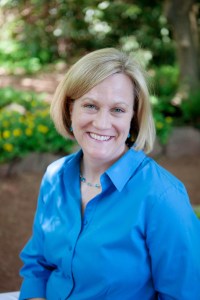 A PiBoIdMo “Kind of” Success Story
by Nancy Tandon
After hearing about PiBoIdMo for several years, I decided to play along last November. Actually, the truth is, what I really decided to do was participate in NaNoWriMo, which runs the same month, and write a full novel. But on November 2nd, I got a little freaked out by what I’d bitten off, and turned to the supportive atmosphere of Tara Lazar’s “Writing for Kids (While Raising Them)”, and PiBoIdMo, for some user-friendly structure and guidance.
I told myself, it’s just one idea a day—you can do this! So every morning, I’d poke around in my brain until an idea popped up that (at the time) seemed good enough to write down. Then, on most days, I worked on the novel as well. But it was the act of writing down a picture book idea that got my butt in the chair. Already, the support was working!
The other part of PiBoIdMo that I had not realized would be so helpful was reading all the juicy guest posts. Tips on character, theme, story arc, rules of three, and much more, make PiBoIdMo a kind of month-long conference for PB writers.
One commonality that I noticed across posts, no matter what the topic, was the idea of the importance of story. (I know, duh, right?) But it can be deceptively hard to get all the necessary story elements to line up, particularly in so few words.
Then one morning, I was having trouble coming up with even a bad idea. So, I looked back at earlier entries to see if that might help spark something.
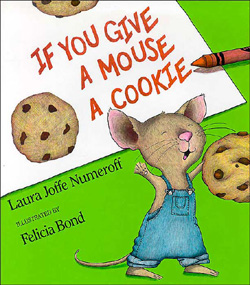 One of these older ideas had been fun to play with, but my sketchy first draft was very episodic. It was missing that narrative arc that makes a story, a story. The premise was a bit like IF YOU GIVE A MOUSE A COOKIE, and was based on the phrase, “which was good…” (Things kept happening, or not happening, which was good because…and on and on).
Then as I was playing with this idea in my mind, and searching for a story framework, the phrase “which was good” flipped in my mind to become “witch was good.” And that’s how the idea for my picture book THE WORST WITCH was born.
The tradition of picture book characters that do not fit the mold society expects of them is as old as Ferdinand himself. I worried this story had been done. But I decided it would be worth it to give this little witch, who just couldn’t help being good, a chance.
 Several months and several revisions later, I submitted the manuscript to the New Voices in Children’s Literature: Tassy Walden Awards Competition, which is run by the Shoreline Arts Alliance. The competition “encourages and nurtures the creation of exceptional quality books for children by unpublished Connecticut writers and illustrators.”
A few months after that, I learned that my manuscript, THE WORST WITCH, was a winner in the Picture Book/Text Only category. What a thrill! Recently, I had the pleasure of reading my text aloud at the awards ceremony. The absolute highlight for me was when I was approached afterwards by a young girl named Lucy, who said, “I liked your story a lot. I like witch stories.” Her praise meant as much to me as the award itself.

I don’t know if THE WORST WITCH will ever reach more kids like Lucy, but I hope so! And if it does, I will have to come back and take the words “kind of” out of my success story.
Thank you, Tara, and all the contributors to this year’s PiBoIdMo. I’ll be back next year, and hope you will, too!

by Ashley Fedor, Editor and Director of Content at MeeGenius
 In the next few weeks MeeGenius, the #1 app with over 700 e-books, will be kicking off our Author Challenge—an open challenge for aspiring authors. I wanted to let you know about it in advance and invite all aspiring authors to participate. I exchanged some emails with Tara prior to writing this post and we thought it would be a great opportunity to share some aspects of our publishing process.
At MeeGenius, the publishing process begins—where else?—in the slush pile! As the editor, I read through hundreds of submissions, looking for stories that I know will resonate with our readers. This could mean unique characters, an engaging voice, a topic that will be particularly powerful to parents, or simply great writing.
Once I decide to acquire a manuscript and the contract is signed, then the fun part begins! I work with the author on 1-3 editorial passes. We collaborate to take the manuscript from something good to something great. This can take anywhere from one week to several, depending on our timelines.
Once we have a finished manuscript, I assign it to an illustrator and provide art direction. The illustrator sends a round of sketches, which I review with an eye for editorial accuracy (if a character is supposed to be wearing a dress but she’s wearing snow pants, we need to fix it!) as well as layout (if it’s a landscape picture, will the text fit on the page?).
At the same time, the manuscript is sent out for narration and cues (word highlighting). Once all assets are completed, it’s time to build the book! Our production team works tirelessly to create beautiful e-books, QA them across platforms to catch any issues, and finally, to send the book out into the world.
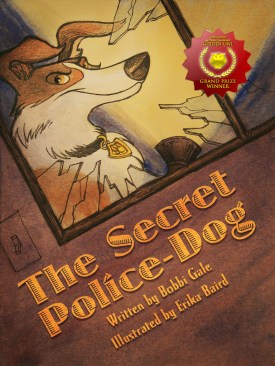
Previous Winner: The Secret Police Dog
Thank you so much Tara for giving us the stage here to share this exciting opportunity with your audience.
Here’s a post by our CEO Wandy Hoh that shares what we’re looking for in “MeeGenius authors”.
All other challenge details can be found here.
The challenge kicks off next Monday, June 16th!
Good luck!

All writers love language. And we especially love fun, amazing words, don’t we? Some have funky spellings, tongue-twisting turns, a satisfying “ooh”…and some sound too hilarious to be true! So I’ve put together a list of favorite fun words that I’ll add to periodically. Have fun, lexicon lovers!
-

It’s a book! More words & super cool facts! Click to order!
abecedarian
- abracadabra
- accoutrements
- adagio
- aficionado
- agita
- agog
- akimbo
- alfresco
- aloof
- ambrosial
- amok
- ampersand
- anemone
- anthropomorphic
- antimacassar
- aplomb
- apogee
- apoplectic
- appaloosa
- apparatus
- archipelago
- atingle
- avuncular
- azure
- babushka
- bailiwick
- bafflegab
- balderdash
- ballistic
- bamboozle
- bandwagon
- barnstorming
- beanpole
- bedlam
- befuddled
- bellwether
- berserk
- bibliopole
- bigmouth
- bippy
- blabbermouth
- blatherskite
- blindside
- blob
- blockhead
- blowback
- blowhard
- blubbering
- bluestockings
- boing
- boffo (boffola)
- bombastic
- bonanza
- bonkers
- boondocks
- boondoggle
- borborygmus
- bozo
- braggadocio
- brainstorm
- brannigan
- breakneck
- brouhaha
- buckaroo
- bucolic
- buffoon
- bugaboo
- bugbear
- bulbous
- bumbledom
- bumfuzzle
- bumptious
- bumpkin
- bungalow
- bunkum
- bupkis
- burnsides
- busybody
- cacophony
- cahoots
- calamity
- calliope
- candelabra
- canoodle
- cantankerous
- catamaran
- catastrophe
- catawampus
- caterwaul
- chatterbox
- chichi
- chimerical
- chimichanga
- chitchat
- clandestine
- claptrap
- clishmaclaver
- clodhopper
- coccyx
- cockamamie
- cockatoo
- codswallop
- collywobbles
- colossus
- comeuppance
- concoction
- conniption
- contraband
- conundrum
- convivial
- copacetic
- corkscrew
- cornucopia
- cowabunga
- coxcomb
- crackerjack
- crescendo
- crestfallen
- cryptozoology
- cuckoo
- curlicue
- curmudgeon
- demitasse
- denouement
- derecho
- derring-do
- desperado
- diaphanous
- diddly-squat
- digeridoo
- dilemma
- dillydally
- dimwit
- diphthong
- dirigible
- discombobulated
- dodecahedron
- doldrums
- donkeyman
- donnybrook
- doodad
- doohickey (this is what I call a library due date card)
- doppelganger
- dumbfounded
- dumbwaiter
- dunderhead
- earwig
- eavesdrop
- ebullient
- effervescence
- egads
- eggcorn
- egghead
- elixir
- ephemeral
- epiphany
- ersatz
- eucatastrophe
- extraterrestrial
- finagle
- fandango
- festooned
- fez
- fiasco
- fiddle-footed
- fiddlesticks
- finicky
- firebrand
- fishwife
- fisticuffs
- flabbergasted
- flapdoodle
- flibbertigibbet
- flimflam
- flippant
- floccinaucinihilipilification
- flophouse
- flotsam
- flummery
- flummoxed
- flyaway
- flyspeck
- folderol
- foofaraw
- foolhardy
- foolscap
- footloose
- fopdoodle
- fortuitous
- fracas
- frangipani
- freewheeling
- fricassee
- frippery
- frogman
- froufrou
- fuddy-duddy
- fussbudget
- futz
- gadfly
- gadzooks
- gallimaufry
- gambit
- gangplank
- gangway
- gargoyle
- gasbag
- gazebo
- gazpacho
- gewgaw
- genteel
- ghostwriter
- gibberish
- gimcrack
- gizmo
- glabella
- glitch
- globetrotter
- gobbledygook
- gobsmacked
- googolplex
- goosebump
- gooseflesh
- gorgonzola
- gossamer
- grandiloquent
- greenhorn
- guffaw
- gumshoe
- guru
- gussied
- guttersnipe
- haberdashery
- haboob
- hairpin
- halcyon
- halfwit
- hangdog
- haphazard
- harebrained
- harumph
- harum-scarum
- headlong
- heartstrings
- heebie-jeebie
- heirloom
- helter-skelter
- hemidemisemiquaver
- heyday
- higgledy-piggledy
- highfalutin
- hijinks
- hillbilly
- hippocampus
- hippogriff
- hobbledehoy
- hobnobbed
- hocus-pocus
- hodgepodge
- hogwash
- hokum
- hoodoo
- hoodwink
- hooey
- hooligan
- hoopla
- hootenanny
- hornswoggle
- horsefeathers
- hotbed
- hotfoot
- hothead
- hubbub
- hullabaloo
- humbug
- humdinger
- humdrum
- hunky-dory
- hurly-burly
- hushpuppy
- huzzah
- hyperbole
- idiom
- idiosyncrasies
- igloo
- ignoramus
- impromptu
- incognito
- incorrigible
- incredulous
- indomitable
- indubitably
- infinitesimal
- interloper
- interrobang
- ironclad
- izzard
- jabberwocky
- jacuzzi
- jalopy
- jamboree
- jargogle
- jawbreaker
- jetsam
- jibber-jabber
- jink
- jitney
- jubilee
- juggernaut
- jujubes
- jumbo
- junket
- juxtaposition
- kaleidoscope
- kaput
- kerfuffle
- kerplunk
- kibosh
- killjoy
- kismet
- knickerbocker
- knickknack
- kowtow
- kumquat
- kvetch
- lackadaisical
- lagoon
- lambasted
- lampoon
- landlubber
- laughingstock
- lexicographer
- limburger
- lingo
- loco
- loggerhead
- logjam
- logophile
- logorrhea
- lollapalooza
- lollygag
- loofah
- loony
- loophole
- lugubrious
- lummox
- machinations
- madcap
- maelstrom
- magnificent
- majordomo
- malapropism
- malarkey
- manifesto
- mastermind
- mayhem
- mealymouthed
- mellifluous
- menagerie
- miasma
- miffed
- milquetoast
- misanthrope
- mishmash
- moocher
- mojo (also a character in THE MONSTORE)
- mollycoddle
- mondegreen
- moniker
- monkeyshines
- monsoon
- mnemonic
- moonstruck
- muckety-muck
- mudpuppy
- mudslinger
- muffuletta
- mufti
- mulligatawny
- mumbo-jumbo
- murmuration
- muumuu
- nabob
- namby-pamby
- nimrod
- nincompoop
- nitwit
- nomenclature
- nonplussed
- nonilllion
- nonuplets
- noodge
- nudnik
- numbskull
- onomatopoeia
- oomph
- orotund
- outfox
- outlandish
- oxymoron
- pachyderm
- pagoda
- palindrome
- palomino
- panache
- pandemonium
- pantaloons
- papyrus
- parabola
- parallelogram
- parapet
- paraphernalia
- peccadillo
- pedagogue
- peewee
- pell-mell
- persimmon
- persnickety
- petrichor
- pettifogger
- phalanx
- phantasmagorical
- phantonym
- phylactery
- piffle
- pizzazz
- plethora
- pogo
- pogonip
- pollex
- pollywog
- poltroon
- pomposity
- poppycock
- portmanteau
- potpourri
- pseudonym
- pugnacious
- pulchritudinous
- pusillanimous
- pussyfoot
- quibble
- quicksilver
- quicksticks
- quiddle
- quinzee
- quirky
- quixotic
- quizzity
- rabble-rouser
- raconteur
- rainmaker
- ragamuffin
- ragtag
- ramshackle
- ransack
- rapscallion
- razzle-dazzle
- razzmatazz
- rejigger
- rendezvous
- resplendent
- rickrack
- ricochet
- riffraff
- rigmarole
- riposte
- roundabout
- roustabout
- rubberneck
- ruckus
- ruffian
- rugrat
- rumpus
- sabayon
- sardoodledom
- sashay
- sassafras
- scalawag (also scallywag)
- scatterbrain
- schadenfreude
- schlep
- schluffy
- schmooze
- schmutz
- scintillating
- scrofulous
- scrumdiddlyumptious (Dahlism)
- scuttlebutt
- serendipity
- sesquipedalian
- shabang
- shenanigans
- skedaddle
- skirmish
- skullduggery
- slapdash
- slapstick
- slipshod
- smithereens
- smorgasbord
- snollygoster
- sobriquet
- sojourn
- spellbind
- splendiferous
- squeegee
- squooshy
- staccato
- stupefaction
- succotash
- supercilious
- superfluous
- surreptitious
- Svengali
- swashbuckler
- switcheroo
- swizzlestick
- synchronicity
- syzygy
- talisman
- taradiddle
- tchotchke
- teepee
- telekinesis
- thingamabob
- thingamajig
- thunderstruck
- tidbit
- tintinnabulation
- toadstool
- toady
- tomfoolery
- tommyrot
- toothsome
- topsy-turvy
- trapezoid
- tub-thumper
- tumultuous
- turducken
- typhoon
- ululation
- umlaut
- umpteen
- unctuous
- usurp
- uvula
- vainglorious
- vagabond
- vamoose
- verboten
- verisimilitude
- vermicious (well, if I included one Dahlism, why not another?)
- vertigo
- verve
- virtuoso
- vivacious
- vuvuzela
- wackadoodle
- wallflower
- wanderlust
- whatchamacallit
- whatsis
- whimsical
- whippersnapper
- whirligig
- whirlybird
- whizbang
- whodunit
- whoop
- widget
- wigwam
- willy-nilly
- windbag
- wipeout
- wiseacre
- wisecrack
- wisenheimer
- wishy-washy
- woebegone
- wonky
- woozy
- wordplay
- wordsmith
- wunderkind
- wuthering
- xylophone
- yahoo
- yokel
- yo-yo
- zaftig
- zeitgeist
- zenzizenzizenzic (yes, this is a word!)
- zephyr
- zeppelin
- ziggurat
- zigzag
- zonked
- zoom
- zydeco
Graphic by Edna Cabcabin Moran
.
Yes, we’ve gotten to a fourth installment! Or maybe I can call this THE FOURTH STALL?
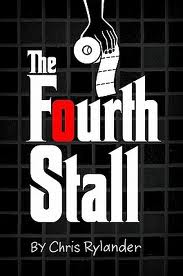
(P.S. I loved this book. It includes one of my favorite things to write—a secret place that adults don’t know about.)
So, there have been three previous Q&A’s…check them out here: Part I, Part II, Part III.
Without further ado…Part IV!
.
berylreichenberg asks:
If you already have several picture books published, what are the best blogs and other sites to use to get the word out and market your books?
So many kidlit authors tend to stick with promoting on writer blogs, which is certainly good, but we can be preaching to the same audience over and over again. I, myself, worry that people are gonna get sick of me.
Instead, look to librarian blogs, parenting blogs, teacher blogs, homeschool blogs, bookseller blogs and other “gatekeeper” sites that target those who buy children’s books.
Technorati.com is a good place to search for top blogs in various categories, like books, education and parenting.
Some blogs have review policies, so read them and reach out. I receive many unsolicited requests every month. I can’t accept them all, but I do what I can. Bloggers are always in search of good content, so you’ve got nothing to lose by asking for coverage. Make sure you appeal to that blog’s readership with your pitch. (I receive pitches that don’t come close to interesting my audience, which tells me the sender is doing a mass mailing rather than targeting me specifically.)
.
Pat Miller asks:
When you have a drawer full of PiBoIdMo drafts that just don’t seem to get off the ground, how do you maintain your motivation to dig back in and make one of them sing?
Another tough question!
I have barrels full of uncompleted manuscripts. Honestly, I tend to think that if I’m not “feeling” them, they’re not worth my time, at least not at the moment. I might feel them later, so that’s why nothing ever gets tossed.
Jerry Spinelli’s EGGS was in a drawer for 20 years when his wife Eileen made him pull it out. He reread the manuscript and felt re-energized. Neil Gaiman got the idea for THE GRAVEYARD BOOK 20 years before he actually wrote it. He wanted to wait to become a better writer because he knew the idea would be challenging to execute.
Other writers will argue that you cannot wait for the muse, you just have to keep pounding on the manuscript. I tend not to do that because I have enough ideas that do sing to me, in key and on beat.
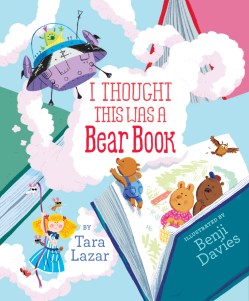
And hence we get to the reason why I do PiBoIdMo—the more ideas in your file, the more potential manuscripts you’ll have. You can ditch one idea and move onto another. In my experience, the best manuscripts have begun when I have stopped working on a manuscript that’s been giving me headaches. It’s like my brain has suddenly been freed from its chains. My upcoming title, I THOUGHT THIS WAS A BEAR BOOK, came about after I ditched a struggling manuscript. The words for BEAR just flew out, whereas I was laboring hard on the previous story and it just wasn’t working.
Sometimes changing the voice or POV in a manuscript is enough to get it revived.
A critique partner pow-wow can also provide a boost. Just sit around with some best buddies (and coffee and coffee cake) to discuss the challenges and concerns you have. Ask for suggestions and solutions. If you can’t do it in person, Google hangouts are fun, especially since you can stay in your jammies. I truly believe critique partners are not just for completed manuscripts, but those in progress, too.
When all else fails, go for a walk or take a shower. Research shows that “thinking on our feet” leads to creativity. And mundane, repetitive tasks give our minds freedom to wander.
.
Amymariesmith asks:
I’m going to my first SCBWI regional conference in June. Any tips on what to bring?
Have fun, Amy! You should bring:
- A list of your PB ideas. I think it’s great to get a professional’s opinion about whether your story ideas are marketable or if they’re too common and need work. You might have an opportunity to sit down with someone to discuss them.
- Your manuscripts. You never know when a critique opportunity will arise.
- A list of industry questions. I know I tend to forget everything once I arrive at a conference. If there’s something you want to know, write it down and keep it handy. There’s often panel discussions where you can pose your questions.
- A notebook and pen to take good notes. (Then when you go home, type up your notes. This will help them soak into your brain.)
- A camera. Take pics and share them.
- Your business cards. Even if you’re unpublished, you’re still officially a “writer”. You want to connect with professionals and potential critique partners. If you’re having meals there, hand them out to those sitting at your table. Everyone else will remember to hand them out, too!
Side note: sometimes at conferences I’ve seen unpublished writers carrying plush likenesses of characters they’ve created. This seems like a smart idea, to attract attention and questions about your work, but some professionals just think this is strange. Great writing is guaranteed to attract positive attention, not gimmicks.
.
Mrs. Ricefield asks:
I would also love to hear more on how to make the best out of conferences you attend. Thank you for the question.
See my suggestions above on what to bring. Also, make friends. See someone standing alone? They’re an introverted writer, but writers love to talk about writing, so go say hello. This is your opportunity to network and gain a support system. Have fun and be yourself.
Don’t go with too many expectations—it’s rare to get a book deal or an agent at a conference. (But be sure to follow-up if someone expresses interest. Things happen AFTER the event.)
Volunteering at a conference is also a great way to get one-on-one time with professionals and to be remembered. Why not volunteer to pick up agents and editors at the train station or airport? You’ll have time to chat and get to know them.
Ask editors about life outside the office. You’ll connect on a more personal level and you’ll be one of the few people who aren’t trying to squeeze a book deal out of them. Editors are people, too. They get tired of being pitched, poked and prodded.

Great friends at the NJ-SCBWI Annual Conference. Authors Ame Dyckman, Sudipta Bardhan-Quallen and Kami Kinard.
.
Angela Turner asks:
I am writing a nonfiction book in narrative form but I want to put notes on the same page that tell a little more with more specific language. What is the proper way to show this in your manuscript?
While I haven’t written this kind of book before, I suggest using a format similar to how we place art notes in a picture book manuscript. Use brackets to denote the sidebars. Like this: [Sidebar text:].
Maybe someone more experienced with these manuscripts can comment below.
.
Joy Moore asks:
How would you describe your writing style?
A quirky, punny word-a-palooza.
.
Brenda Harris asks:
If an author-illustrator is self-publishing, who are the most important people (editors, art directors, etc) I should ask advice(hire?) from about my dummy book. And- where can I search and find these legit helpers?
There are independent editors with decades of publishing experience whom you could try. Just a few:
Read through each consultant’s site to determine the best fit for your writing style.
Also, be aware of current publishing scams and hustles. There are those who prey on writers with dreams of publication. Check out Preditors & Editors.
Before you begin, you should know the distinction between true self-publishing and publishing via a vanity press. Read this blog post.
.
Thiskidreviewsbooks asks:
I’d really like to know what your best time to write is (and the importance of having a set time to write).
Erik, I don’t have a set time to write. I have found that routine tends to stifle my creativity. I know some writers insist upon writing the same time every day, in the same place, with the same materials, claiming that routine means they write whether or not they’re in the mood. And I suppose that does work nicely for a lot of writers. It doesn’t work nicely for me.
I’ve never been a routine person. Something about my personality always eschews routine. I cannot remember to take a daily vitamin. I don’t wake up the same time every day nor go to sleep at a set hour. I have a tough time eating leftovers.
I like changing things up. Sometimes I write in the morning, sometimes late at night. Different times of day can lend varying moods to my writing. Same as with different places—sometimes I write in bed, sometimes in the kitchen. Occasionally I work on my back deck, at the park or at the library.
And I don’t write every day. That may have to change when I start writing novels and I’ll need to get more words down, but for now, I take writing breaks. Two days on, one day off. Three days on, three days off. One day on, four days off. (GASP!) Again, I change it up a lot. And sometimes these breaks are dictated by family or other obligations.
With this non-routine routine, I’ve had no shortage of creativity, no writer’s block. I’ve got four manuscripts under submission right now and four under construction.
The bottom line is that there’s no “right” thing that works for everyone. It’s totally up to you to find your creative groove. Don’t take anyone else’s advice unless it resonates with you.
.
Charlotte asks:
Why does it seem that there are so many women writing for children, attending SCBWI conferences, posting here, etc., and yet by comparison there seem to be so many successful children’s books by men? Ya know what I mean? Certainly there are tons of successful children’s books by women, but the rations have me baffled. At the last SCBWI conference I attended, women outnumbered men 98-2. Even if there are more children’s books by women authors, the ratio is not 98-2, not even close. So what’s going on? Do men feel more free to write wackier stories? Do women censor their own out-of-the-box impulses? Do editors and agents subconsciously give men more leeway to push the boundaries/break the rules? Do women tend to write more lesson-y stories? Are there just as many men writing and they just don’t show up at conferences? Whaddaya think?

Charlotte, you may want to check out the VIDA Count. VIDA has found a distinct imbalance between the amount of literature by women that’s published and awarded versus that of men. See these articles:
From VIDA’s FAQ:
But don’t women read more? Don’t they buy more books? Don’t they edit these journals [and books] and read slush? And therefore—isn’t this largely the fault of women, as well?
First: sexism pervades our culture, and so it is often unconsciously absorbed/internalized by everyone, including women. Feminism is an act, not a bumper sticker. It requires the constant re-evaluation of one’s assumptions, habits, and biases. By being a part of the system, women are often a part of the problem.
Further, as Sarah Seltzer points out,
“In my experience, the reality may even be worse than the numbers. Women who are allowed to be prominent — and this is not to erase those who do it on their own merit, because their numbers are growing — often don’t challenge the worldview of those who hire them. In fact, given all the anti-feminists like Caitlin Flanagan, Katie Roiphe and Christina Hoff Summers taking prime media real estate, it would seem that for women, reinforcing sexism is a good formula for vaulting ahead.”
~ Sarah Seltzer, Jewish Daily Forward, March 2012, “Byline Bias – and What We Can Do About It.”
.
Stacy Couch asks:
I was wondering about the different stages of birthing a PB. PiBoIdMo does a great job re: brainstorming. Maybe posts about craft would help bring those ideas to life.
- Character-driven picture books: What they are, what makes a character sing.
- Plot: How to plot a PB.
- Plot: Why stakes matter.
- Rule of Three
- Plot and the Rule of Three.
- Different Genres within the PB World (Quiet, Noisy, Character-Driven, Interactive, Etc.)
- External vs. Internal Conflict
- Allowing Room for the Illustrator
Then perhaps a series about critique groups (how to find them, how to set up one), conferences (purpost, intensives, tips) and another querying agents, editors (the importance of etiquette, researching them beforehand).
I’d love to see more craft-related posts, though, since any agent or editor would focus on the work itself.
Great suggestions, Stacy! I’ve covered some of these topics already. Check out:
- The Rule of Threes in Picture Books
- The Rule of Threes for Picture Book Writers (with video evidence)
- Every Day I’m Structurin’ (by Tammi Sauer)
I’ll cover all your suggestions in craft posts soon. Thanks for the input!
.
In closing, thanks to everyone who submitted a question. This was a fun series and I hope to make it a recurring blog feature!
Graphic by Edna Cabcabin Moran
In case you missed it:
Grab your PiBoIdMo mugga joe and let’s get to it, shall we?

mvanhierden asks:
When submitting query letters for picture books, is it standard practice to include a manuscript?
Always follow an individual’s submission guidelines. Some agents/editors don’t ask for a query first because a picture book is a short read. They’ll ask for a cover letter and the manuscript instead. And even though some want the full manuscript, they’ll still ask for a query letter with it. Why? They want to hear how you SELL the story.
Not sure what goes into a query letter? See yesterday’s post.
But everyone is different; pay attention to their guidelines. Guidelines are in place to help an agent/editor work most efficiently, according to their preferences. Therefore, not following guidelines is subject to an immediate, automatic rejection. They just can’t afford the time to read submissions that don’t follow directions.
.
 Anne Bromley asks:
I heard recently that one needs at least 3 polished, ready-to-submit picture book stories in order for an agent to take serious interest. Has this been your experience as well?
Yes, this is what I recommend—have at least 3 to 5 picture book manuscripts polished and ready for submission.
An agent will rarely take a writer based upon one picture book manuscript alone. Yes, it happens, but your odds are so much better if you have several ready. Why? If the agent likes your work, they will almost always ask for MORE WORK. An agent wants to ensure that they are a good fit for you, so they want to connect with a body of work, not just one piece. If they like your submission and want to see more but you don’t have anything else, you’ve wasted an opportunity.
More books ready means more books to sell, which is preferable for the agent. If they can’t sell one manuscript, they have another to sub immediately.
But what about an editor? The same holds true. They could like your manuscript but not have the ability to publish it for whatever reason. They may ask for something else. You want to have that something else ready!
And honestly, you become a better writer with each manuscript you complete. So although you might have one ready to submit, wait until you have more because the next manuscript might be the better sell.
.
Patricia Tilton asks:
When do you set aside a MS after many rejections, even though it’s polished, been through editors and you’ve done the revisions and more revisions? Or do you just keep submitting?
Tough question, Patricia! I feel like this is dictated by a gut feeling more than anything else.
I have an agent, so my rejections always include a reason. If I receive compliments and suggestions, then the manuscript is on the right track and we keep submitting. If I receive a lot of similar suggestions for improvement, I take it back and revise.
For those without an agent, if you receive only form rejections without any personal rejections, it’s a signal that perhaps the manuscript needs more work.
It’s not uncommon to hear of manuscripts rejected 20 or more times, so sometimes it’s about just connecting with the right editor at the right time.
If you’ve submitted widely without a bite, I’d recommend putting the manuscript aside and coming back in a few months to see if you can make improvements. Then try another round. Again, some rejections are about timing rather than quality, so a new round of submissions can yield new results.
.
Carrie Brown asks:
We know, as writers, to revise until our very best work is present. Then, we know to send it out to our critique groups and revise some more. Repeat. Repeat again. Etc. Once our work is “the best it can be,” do you think there is a secret numbers formula as to how many subs a manuscript should go through before being shelved? What if, for example, a manuscript goes through a period of requests mixed with personal feedback from agents, and then said changes are made and it goes back out to be met with chirping crickets? Then what? Just like everything in the writing world, I know these questions will be met with subjectivity, as well. But this inquiring mind values your opinion!
Yes, as you’ll see by my answer above, it really is subjective, a gut feeling. I’ve known writers who have submitted 27 times with rejections and the 28th time was the charm. I’ve known writers who have revised a manuscript on and off for nearly 10 years before it was bought.
I suppose my suggestion is to keep plugging away as long as you feel passion and confidence in your work. Again, sometimes it’s about timing more than anything else.
Let’s go to the scenario you proposed—if you’ve made changes that were requested but have only heard crickets in response, I would probably go back to the previous version. When you revise based upon suggestions from one individual, it’s purely being done to meet their specific taste. And if they don’t like it after the changes have been made, it probably wasn’t the right move.
.
Jo Dearden asks:
In your query letter, when it comes to describing your Picture Book, should you include a short paragraph in the style of a jacket blurb, or should it be a straighter description (like a mini, paragraph-long synopsis)? This is assuming you’re sending the whole text to the agent/publisher.
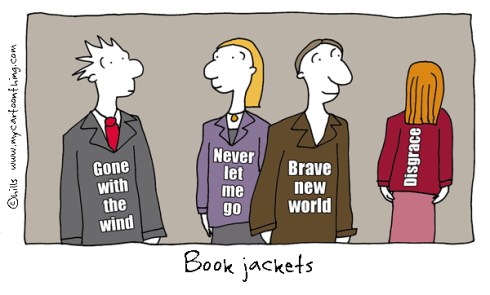
Yes! It’s an excellent idea to write your synopsis in the style of jacket flap material. This kind of paragraph whets the appetite and makes the reader want to dive in. Pick up a bunch of picture books at your library and study the book jackets. Try to emulate them.
Guess what? There’s one final installment coming tomorrow!
And remember, follow-up questions are welcomed.
Graphic by Edna Cabcabin Moran
Jennifer Kirkeby asks:
What do you do to keep yourself motivated? Especially after rejections?
You know how “location, location, location” is real estate’s most important criteria? Well, “new work, new work, new work” is how I keep myself motivated. A new story is always so exciting, isn’t it?

I’ve seen writers try to sell the same manuscript year after year. On one hand, it’s good to be persistent, but on the other hand, you should know when it’s time to move on. Once you’ve finished a manuscript and started submitting, work on something new. Always have your list of ideas ready. Review them. Grab onto whatever resonates and start writing. An editor might not like what you’ve just submitted, but they might like your NEXT project. The more projects you have, the better your odds of becoming published.
Don’t let rejections get you down. Everyone gets them. It’s the nature of our business. I’ve gotten so many now that they’ve lost their sting. I read the rejection, absorb the comments, decide if I agree or disagree, and move on.
Not every manuscript is for every editor—and a rejection doesn’t mean your story’s terrible and it will never find a home. Editors can reject a manuscript because it competes too closely with one of their existing or upcoming books, or because it doesn’t fit with their imprint’s personality and goals. An editor with a bug phobia may stay away from beetle books. An editor might even love your story, but their team isn’t as enthused.
Remember a rejection is not a personal attack. They are rejecting the work you submitted, NOT YOU. YOU are marvelous. YOU are creative. YOU just need to write another story.
.
Yangmommy asks:
Hi! I thoroughly enjoyed your presentation at the MD/DE SCBWI in Maryland last month. It was the highlight of my day (and I still find myself saying, “whhyyy?”)! But I left wondering more about how and when to insert the art notes. In the margins? Within the text (but doesn’t that break up the flow?)? Do you have an example you can showcase on your blog?
An art note can be written in the body of your text, right after the words the art will accompany. I typically put the art note in brackets and italicize the text, like this: [Art: bear tickles alien.]
I’ve also written manuscripts with so many necessary art notes that my agent has submitted them in graph format. This is because the art notes broke up the flow of the story too much, making it difficult to read. The graph format allows an editor to scan through the story easily while still being able to comprehend the illustrations. I explained this in a post here.
.
Tim asks:
I attended a picture book writing conference recently, and the presenter asked for a show of hands of all those who at least occasionally wrote manuscript in rhyme. Nearly every hand in the room went up. And many new rhyming picture books are published each year. Yet aspiring PB writers are told frequently that rhyme is a very tough sell. So I’d love to see a post or two on how to sell rhyming PBs. Not tips on how to write in rhyme–there are lots of resources for that–but on how to SELL it, including the no-nos either in queries or in manuscripts that will stop an editor or agent cold.
Tim, there are no tricks to selling a rhyming manuscript other than making that rhyming manuscript GREAT. (There’s nothing you can say or do to sell a sub-par manuscript.)
Editors see a lot of bad rhyme, which is why they often tell new writers to avoid it. Rhyming manuscripts that don’t sell:
- use common and predictable rhymes,
- feature wonky meter,
- veer off in an unbelievable direction to meet the rhyme scheme,
- use awkward sentence structure to make a rhyme work,
- feature too many near-rhymes, or
- explore an overdone theme.

What’s a GREAT rhyming story? A manuscript whose rhyme scheme is original and whose meter is consistent. A manuscript that features an appealing, marketable hook.
For a picture book, some agents and editors zip right past the cover letter to get to the meat of the manuscript, so I don’t think anything is going stop them cold, unless you’re wildly unprofessional and stuff your envelope full of glitter.
Your query/cover should:
- address the agent/editor by name,
- explain why you are submitting/targeting that editor/agent/imprint,
- compare/contrast your book to existing titles,
- include a brief synopsis,
- offer a short bio (only with information relevant to writing for children), and
- have a polite closing.
It should be one page only.
The manuscript should be double-spaced in a 12 pt serif font, like Times New Roman.
Again, don’t use gimmicks. Good writing and a professional presentation are all you need to attract an agent/editor’s attention.
.
Ginger asks:
What does a picture book look like in written form and do you add picture ideas?
I mentioned the standard format above. Here’s a pic of what the first page of a PB manuscript might look like:
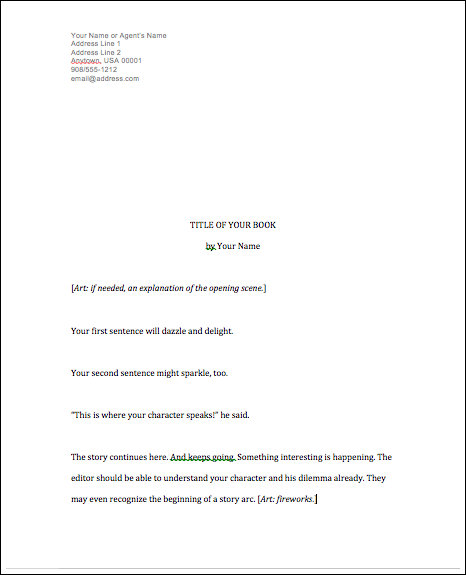
The second and each subsequent page header will include “Name/TITLE” on the left and numerical page number on the right.
Regarding art notes, that really requires its own post! See these previous posts:
The bottom line is that you only include art notes if it’s not clear what’s happening from the text alone. For instance, if your text says “Felix was happy” but he’s really upset, you need an art note so the illustrator doesn’t make him smile.
Write something like: “Felix was happy. [Art: Felix isn’t happy.]” You should not write “Felix was happy. [Art: Felix is stomping his feet, wearing red, waving his arms and sticking his tongue out.]” That’s far too specific and doesn’t leave the illustrator room to interpret Felix and his feelings.
.





 Writing for Kids (While Raising Them)