by Marcie Colleen
Lately I have been reading and studying the poetry of Mary Oliver. Slowly. Intentionally. Not to rush through it or “get” something from it, but to sit with her language and the way she notices the world.
Reading her work has made me think a lot about attention—about what we choose to notice, and what we allow ourselves to linger with. Mary Oliver’s poems don’t hurry. They observe. They stay. They remind me that paying attention is not passive. It’s an active, generous way of moving through life.
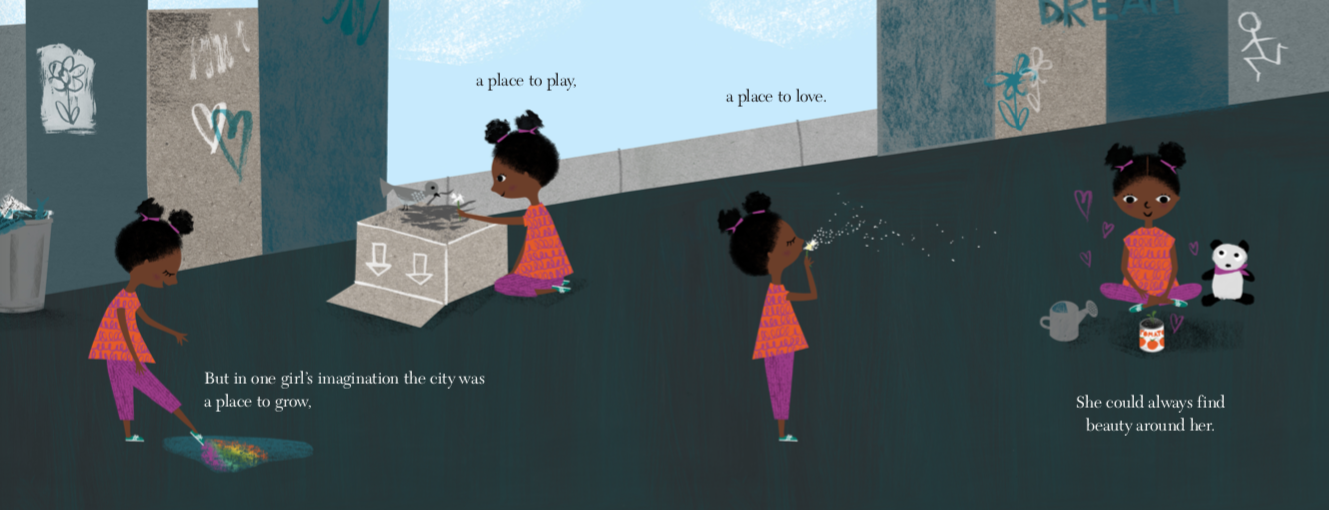
That way of noticing has been echoing for me because it’s the same kind of attention that lives at the heart of my picture book THE BEAR’S GARDEN, illustrated by Allison Oliver (Macmillan, 2020). In that story, the world is busy and rushed. Whole neighborhoods are forgotten. Broken. Overlooked. But the child sees something else. She notices small bits of beauty where others see only neglect. A reflection. A shape. A possibility. And because she notices, she begins to tend.
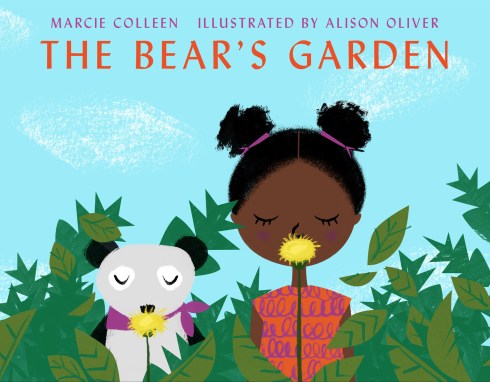
She doesn’t force the garden to grow. She watches. She believes. She whispers encouragement. She stays with it—day after day—through heat, wind, and uncertainty. And slowly, because of that attention, others begin to notice too. First quietly. Then together.
This practice of slowing down and choosing what to pay attention to has been with me through this first half of StoryStorm. Thirty ideas in one month can invite comparison, urgency, and the feeling that creativity needs to be performed on command.
So let’s gently set that aside.
Your job this month isn’t to perform.
It’s to live with attention.
Creativity doesn’t need to be summoned or proved. It doesn’t respond well to force. What it responds to is presence as your daily life unfolds, even when nothing particularly dramatic seems to be happening.
Living with attention means slowing down enough to notice what usually gets brushed past. A feeling that lingers. A moment that makes you pause. A thought that quietly returns when everything else moves on. These are small things. They’re easy to miss. And they’re exactly where stories begin.
You don’t have to catch every idea. You just have to savor enough moments that curiosity has room to grow.
Mary Oliver understood this deeply. Her poems remind me that noticing is a choice. That attention shapes meaning. That what we turn toward matters.
And THE BEAR’S GARDEN reminds me of something else: that noticing is an act of belief. Belief that what looks small or overlooked is worth caring for. Belief that tending—even quietly, even imperfectly—matters.
When we allow ourselves to savor a moment rather than rush past it, curiosity naturally follows. It asks gentle questions: Why did that stay with me? Why does this matter? You don’t need answers right away. Curiosity doesn’t demand them. It just wants space to exist.
Some days, that curiosity will bloom quickly. Other days, it will barely stir. Both are part of the work.
Some days will feel quiet.
Some ideas will barely whisper.
Trust them anyway.
Quiet days are not empty days. Whispered ideas are not weak ones. Many of the stories that stay with us the longest begin this way—small, unassuming, easy to underestimate.
StoryStorm doesn’t require brilliance on demand. It asks for openness. It asks you to notice what you’re already living. To write down what sticks, what returns, what gently taps you on the shoulder when you’re not trying so hard.
If you miss a day, that doesn’t mean you’ve failed. If an idea feels incomplete, that doesn’t mean it doesn’t count. An idea can be a sentence. A question. A feeling you don’t yet have words for. Write it down anyway. You’re not finishing stories this month—you’re planting them.
And perhaps most importantly, you’re practicing trust.
Trust that your life is already full of material.
Trust that attention is enough.
Trust that you don’t need to force meaning for it to exist.
Because when you savor life—really savor it—stories follow.
Not all at once.
Not loudly.
But faithfully.
So let this month be gentle. Let it be curious. Let it be quiet if it needs to be.
You’re not behind.
You’re not doing it wrong.
You’re living with attention—and that is the work.
 Marcie Colleen is the author of numerous acclaimed books for young readers. Her writing spans picture books, chapter books, and comics. No matter the format, her stories reflect a deep love of community, creativity, and joyful connection. For more information about Marcie’s projects, visit ThisisMarcieColleen.com. You can also find her on Instagram @marciecolleen and Bluesky @marciecolleen.bsky.social.
 Michael Leali is the award-winning author of The Civil War of Amos Abernathy, which won SCBWI’s Golden Kite Award. His work has also been twice nominated for Lambda Literary Awards among many other honors. His other middle grade novels include Matteo and The Truth About Triangles. He is a veteran high school English teacher, a seasoned writing coach, and he now teaches creative writing at the University of San Francisco. He holds an MFA in Writing for Children and Young Adults from Vermont College of Fine Arts. Follow Michael on Instagram
  The first time I remember seeing a piece of work character was in that most iconic of children’s books, Maurice Sendak’s WHERE THE WILD THINGS ARE. Many people understandably comment on the Caldecott-winning art and the indelible images of the wild things as reasons for why the book has endured for each new generation of readers. But I think what children most respond to is the subtle message that Max, who acts badly and never actually apologizes, is not seen as a ‘bad child’ but as a child who is still learning about lashing out and seemingly unfair consequences and above all, is a child who is still deserving of love (and what is love but a parent who leaves their child a hot supper after a tantrum).
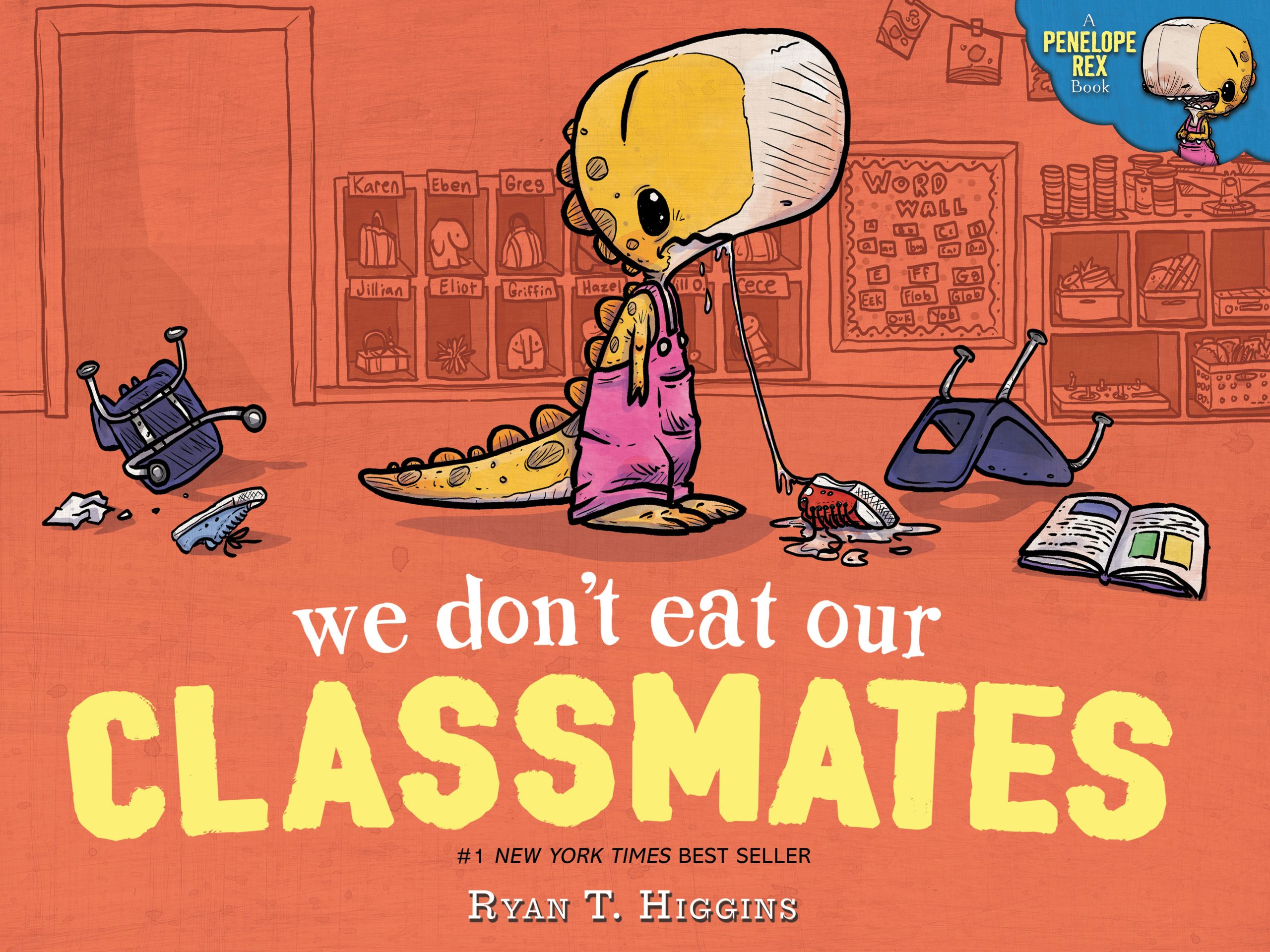
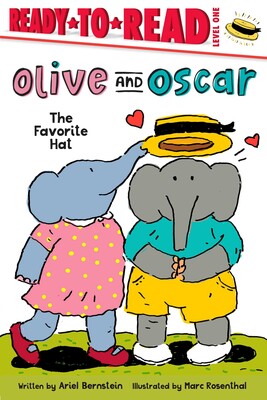 In my new early reader, OLIVE & OSCAR: THE FAVORITE HAT, illustrated by Marc Rosenthal, I knew Olive would be the “piece of work” character. Her first act is actually kind as she gifts her friend Oscar the aforementioned hat. But as the day goes on and the friends find themselves in need of objects (something to dig sand with, something to hold groceries when a bag breaks, etc.), Olive volunteers Oscar’s new hat without hesitation and without much thought as to whether it’s an appropriate use of Oscar’s hat or if Oscar himself wants to use his new hat for such purposes. Some people (adults) would recognize this behavior as less than ideal as Olive is being rather presumptuous. But at a kid level through a kid lens, it makes sense. If you don’t have a shovel for sand, why not use a hat? It’s there. Why should a kid be expected to think first of the consequences of a sand filled hat? Just because Olive is making a bad decision doesn’t mean she’s a bad kid. She’s just a kid. A work-in-progress kid. Who also happens to be a “piece of work.”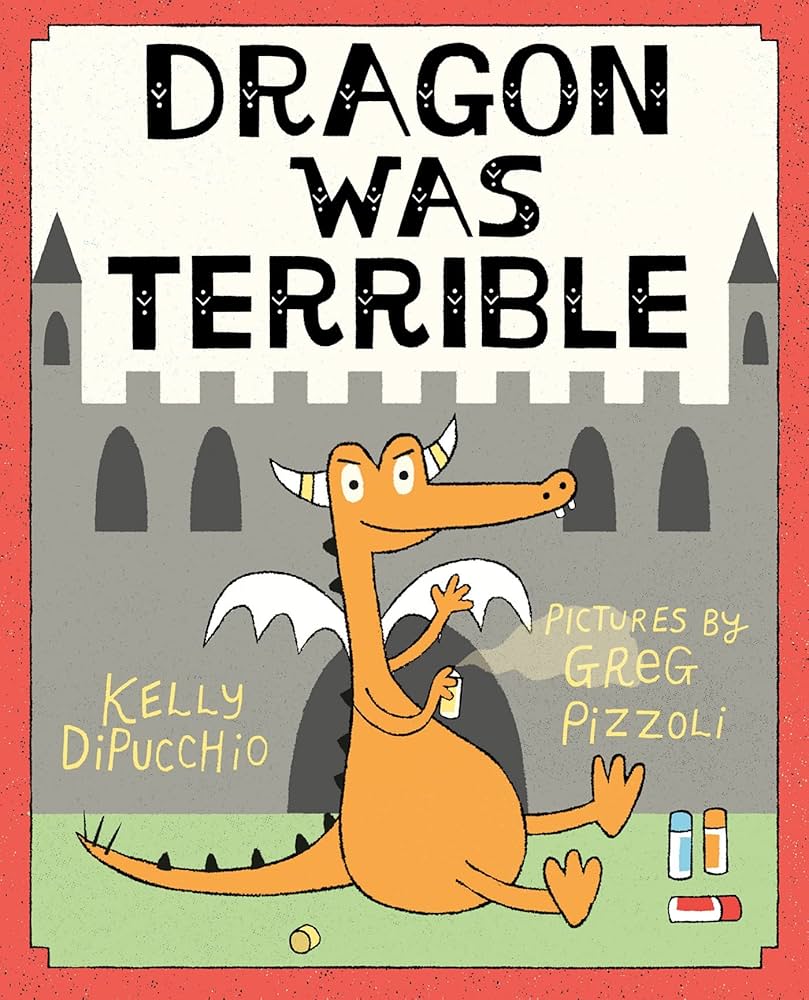
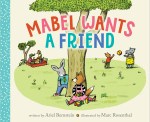 I would add my picture book MABEL WANTS A FRIEND, also illustrated by Marc Rosenthal. It was suggested that I remove the scene where Mabel stole a child’s toy in case it made Mabel too unlikeable. I decided to keep the scene because I felt the reader needed to see who Mabel truly was, warts and all, before a friendship helped changed her desires and priorities. Mabel did a particularly bad thing, and while she deserved her friend Chester’s condemnation, she also deserved a chance to learn and grow from her mistake.
 Ariel Bernstein is an author of picture books including WE LOVE FISHING! (starred review Publisher’s Weekly), YOU GO FIRST (starred review Kirkus Reviews), and MABEL WANTS A FRIEND (starred reviews Kirkus Reviews and Publisher’s Weekly), all illustrated by Marc Rosenthal. She also wrote the WARREN & DRAGON chapter book series, illustrated by Mike Malbrough. Honors include a Publisher’s Weekly Best Book of 2024, Charlotte Zolotow Highly Commended Title, Junior Library Guild Gold Selections, CCBC Choices, and Bank Street College Best Book of the Year. Ariel lives in New Jersey with her family and you can find her online at

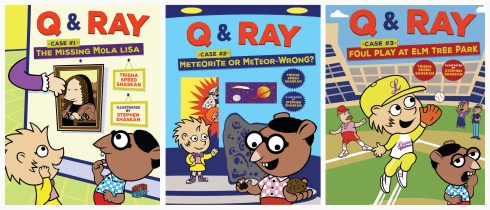

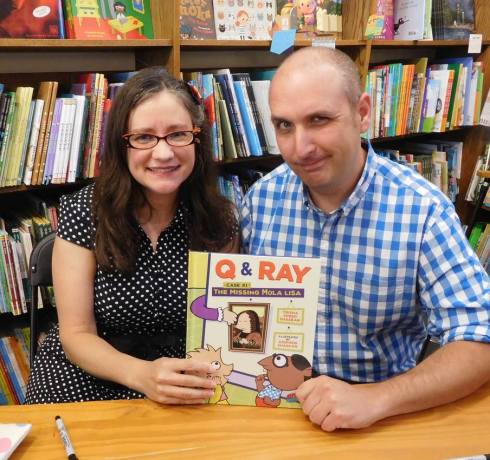
 Trisha Speed Shaskan has written fifty books for children, including her latest picture book The Itty-Bitty Witch illustrated by Xindi Yan. Trisha and her husband/author/illustrator Stephen Shaskan have created the picture book Punk Skunks and Q & Ray graphic novel series. They love to visit elementary schools and libraries where they share their passion for creating books for children. Trisha has taught creative writing to students at every level from kindergarten to graduate-school. She has an MFA in creative writing from Minnesota State University. Trisha and Stephen live in Minneapolis, MN with their beloved dogs, Beatrix and Murray. Visit Trisha at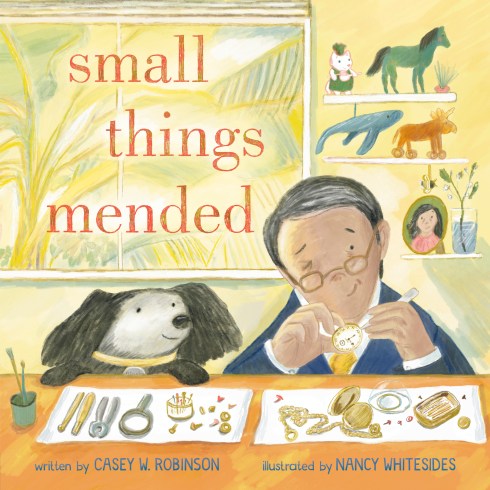
 Casey W. Robinson’s latest picture book, SMALL THINGS MENDED, illustrated by Nancy Whitesides, was a New England Book Award winner, a Christopher Award winner, a Crystal Kite Award winner, and received a 2025 Massachusetts Book Award Honor. Casey’s debut picture book, IVER AND ELLSWORTH, illustrated by Melissa Larson, was a finalist for the Crystal Kite Award and Pennsylvania Young Reader’s Choice Award. Her next book, THE SHARING HOUSE, illustrated by Mary Lundquist (Rocky Pond Books/Penguin), will be out in May 2027.
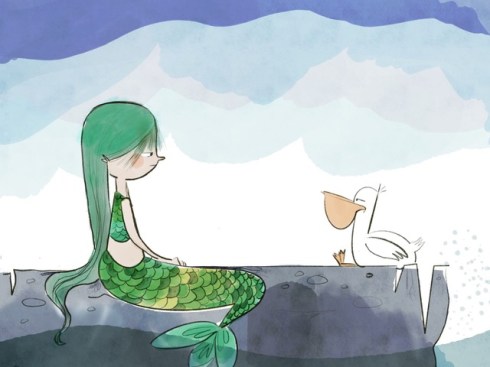
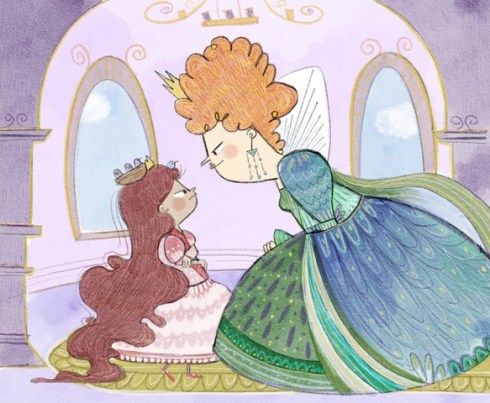
 Courtney Pippin-Mathur is the author and or illustrator of several picture books including Dinosaur Days (author), Maya was Grumpy, and Dragons Rule, Princesses Drool. She makes lots of other types of art including paper machè, clay and acrylic painting. She teaches online (and occasionally in person) at The Highlights Foundation and through personal mentorships.
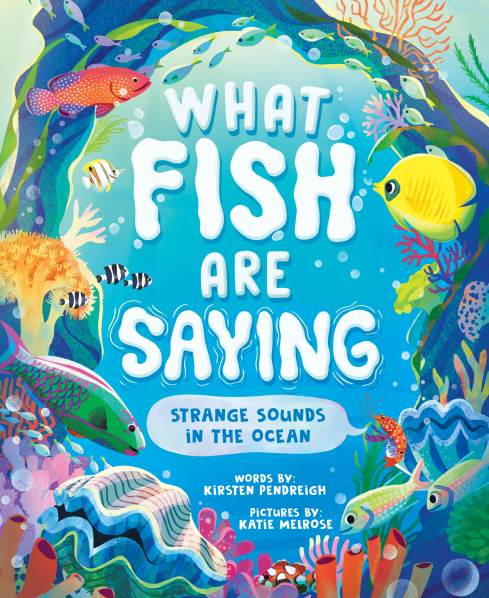
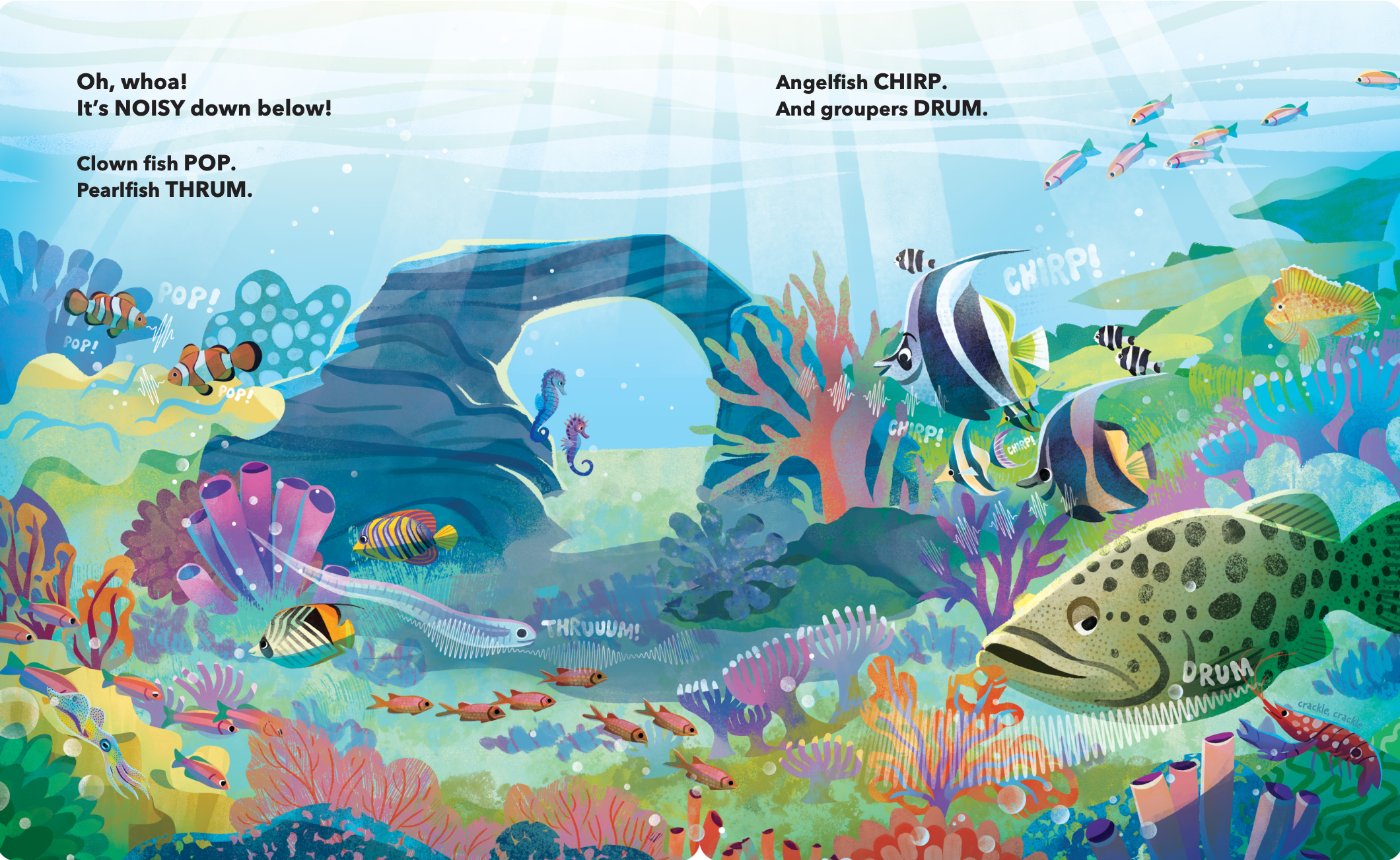

 Kirsten Pendreigh is a poet, journalist and children’s author from Vancouver. Her books celebrate our early instincts to care for the creatures that share our planet. Kirsten’s nonfiction titles, WHEN A TREE FALLS and WHAT FISH ARE SAYING use lyrical language, onomatopoeia, rhyme, and other poetic devices to engage children in the cutting-edge science of underwater species communication and the crucial role fallen trees play in regenerating the forest.
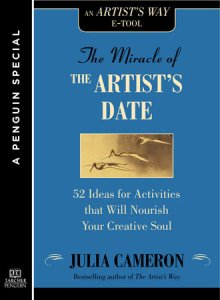 In The Miracle of the Artist’s Date Julia Cameron explores what I think is the key to feeding your creative muse—the artist’s date. Long before I read Cameron’s book, I went on what I called creative encounters. My encounters included museums, musicals, one-day trips, hikes, and more. Those creative encounters did exactly what Cameron says an artist’s date does, they nourished my creative spirit, my creative muse.

 Lisa Tolin is a children’s book writer and the editorial director of PEN America. Her debut picture book, HOW TO BE A ROCK STAR, with Daniel Duncan, was a Junior Library Guild gold standard selection. CAN YOU IMAGINE? THE ART AND LIFE OF YOKO ONO won the Society of Illustrators Silver Medal for illustrator Yas Imamura. Find Lisa on Instagram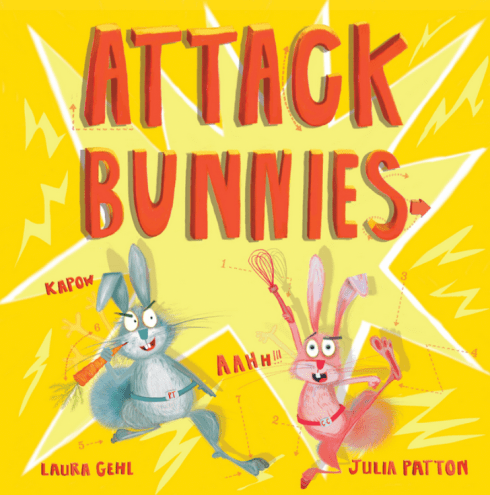
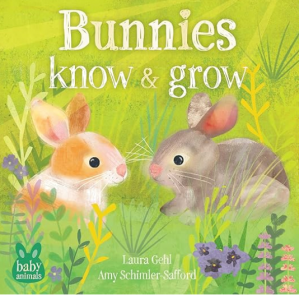
 Laura Gehl is the award-winning author of more than fifty books for kids, from board books to picture books to early readers. Her 2026 titles include ATTACK BUNNIES (Beaming Books), PUPPIES KNOW AND GROW and BUNNIES KNOW AND GROW (Barefoot Books), ODD BUGS (Abrams), and BUBBE AND BECCA’S BUCKET LIST (Penguin Random House). You can often find Laura in an ice cream shop, or in the woods in Maryland, where she lives with her husband and four kids. You can also visit her online at





 Writing for Kids (While Raising Them)