by Alexandra Hinrichs
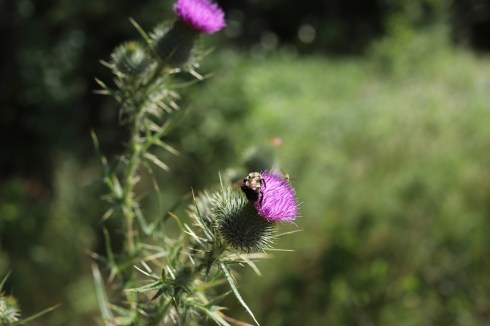
I let the weeds grow in my yard. Dandelions, hawkweed, wood violets, white clover, red clover, sow thistle, blue sowthistle, ground elder. At first this began because my spouse and I couldn’t be bothered—or afford—to maintain a lawn. Then we noticed how much the honeybees loved the weeds. Over time, we planted more flowers, many native to Maine, and, along with our three kids, delighted in watching butterflies and hummingbirds arrive. And then, around our 16th wedding anniversary, we adopted a tortoise. It turns out her favorite foods are weeds like dandelions, clover, and thistle. With the occasional bonus treat of calendula, hibiscus, and other delectable blooms.
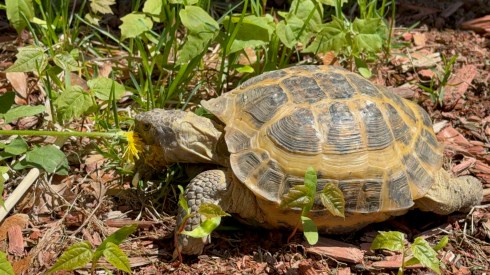
So why am I talking about weeds with a foot of snow on the ground outside of my window? Well, I let the weeds grow in my mind, too. A higgledy-piggledy clutter of ideas, often unidentifiable when they first poke their green heads up from the earth of my brain. I have learned to let them be, at least for a time, observe how they grow. Will they send shoots off sideways and spread? Will they strive upward and point their hopes sunward, sometimes growing as tall as me? Will petals unfurl? Will they hold the big surprise of the tiniest, palest, sweetest imaginable berry? I watch. I wait. I see what else they nourish. Because like the weeds in my yard, some of those wilds in my brain attract company. Characters who crawl or creep, flutter or fly, skip or saunter over. And suddenly there’s a story.
Years ago, when it still was a big combination of smooshed-together-coupled letters, Storystorm helped me cultivate a practice of watching the weeds. Of paying attention and jotting down brief thoughts in the form of a list that lives in my ever so drab Notes app. I always tell kids during author visits that I wish I were one of those cool authors who has a notebook I whip out of a pocket as needed, but I’d lose a notebook in a heartbeat. My phone works for me, and doing what works, what feels easy, has made all the difference in the world. Now it takes me a long while to scroll to the bottom of that list of ideas, which is organized simply by year. There are hundreds. It’s the nature journaling of my mind.
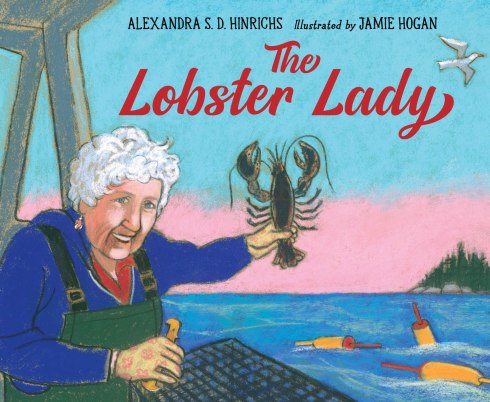
But not all ideas grow equally. Some grow and bloom quickly, demanding my attention. THE LOBSTER LADY, illustrated by Jamie Hogan, was like that. I had the idea on July 17, 2021, met Virginia Oliver (who passed away at 105 years of age last week) the next day, sent the manuscript to my agent within a week.
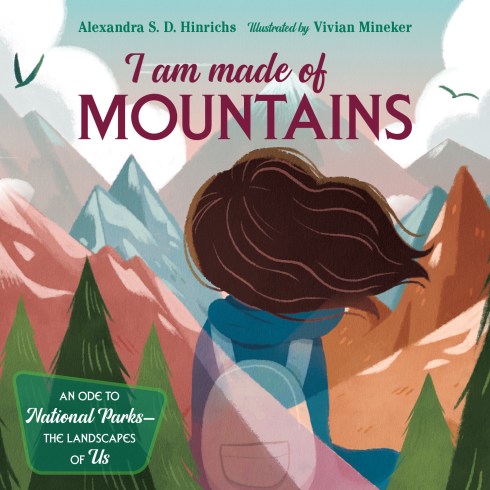
Some ideas have a strong start but need a little extra care. I AM MADE OF MOUNTAINS, illustrated by Vivian Mineker was like that. While it always had the rhyming voice celebrating a multiplicity of people, landscapes, and emotions, its structure and even bringing in National Parks came later.
Some ideas are seeds planted that I forget about until a year or multiple years have passed. THE POCKET BOOK, illustrated by Julia Breckenreid, was one such seed. I wrote a few words down about the idea in 2018: “pocketful of love—remnants of the day’s love full moments.” It stayed planted, fertile, sending out shoots for another three years. Then I finally wrote the story in 2021 to get a monthly draft done for the 12×12 Challenge, and it grew with gusto.
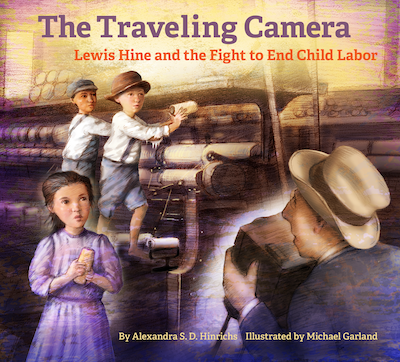
The seed for THE TRAVELING CAMERA was planted when I learned about Lewis Hine’s photographs of child labor in graduate school in 2010. Those powerful images stayed with me, nudged me.
My next book, THE SEARCH FOR A UNICORN, which will come out in 2028, emerged quickly but was another idea that needed tending to fully bloom. I started writing it the same day I had the idea in 2019, finished a draft in 2020, and it took another two years before a key part of the story clicked into place for me and helped me sell the manuscript thanks to research. Yup, research for a unicorn story! But actually, that research sort of bumped into me accidentally. I hadn’t set out to find it, but happened upon it and explored the questions it caused me to ask, explored the possibility that maybe, maybe, it could nourish my draft. My precious weed.
So yes, let the weeds grow. It may look messy and unkempt in the landscapes of our brains, but wow, the robust stories that emerge! The unexpected colors and blooms and sure, occasional thorns! And hey, while you’re at it, pay attention to those weeds at your feet, too. You never know where you might find the seed of an idea.
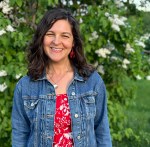 Alexandra Hinrichs is the Children’s Book Editor at Islandport Press, where she acquires board books through young adult fiction and nonfiction. She is also the author of THE LOBSTER LADY, I AM MADE OF MOUNTAINS, THE POCKET BOOK, THE TRAVELING CAMERA, and more. Her books have won awards including Maine’s Lupine Award and Wisconsin’s Outstanding Achievement Award. They’ve been featured on ABC News, CBS News, and The Washington Post. Alex began her career as a historical researcher at American Girl and then worked as a librarian for over a decade. She lives in Maine with her husband, three wild sons, two lazy cats, and one curious tortoise. Visit her website at AlexandraHinrichs.com. You can follow her on Instagram @puddlereader and BlueSky @puddlereader.
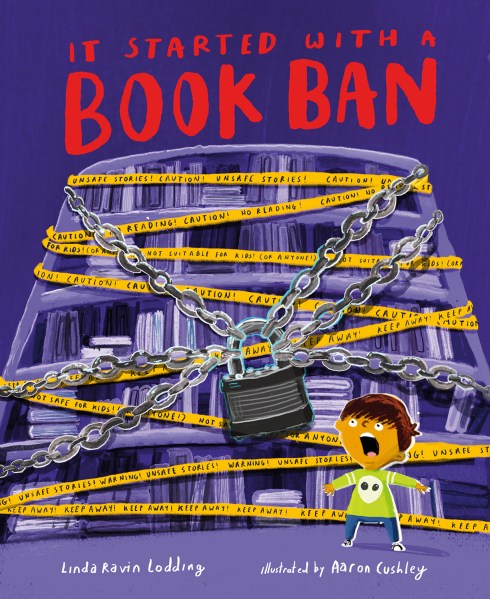
 an award-winning children’s author who believes picture books can be a warm hug, a bright flashlight, and a good giggle—especially when the world feels a little too loud. She’s has eleven published picture books, including The Busy Life of Ernestine Buckmeister, A Gift for Mama, Painting Pepette, and Babies Are Not Bears. Originally from New York and now based in Stockholm, Sweden, Linda is also a writing coach who has helped over 100 picture book writers find their storytelling voice, and she founded the Stockholm Children’s Writers and Illustrators Network (a Facebook community open to all!). By day, she serves as Head of Communications at Global Child Forum, championing children’s rights worldwide. Her newest picture book, IT STARTED WITH A BOOK BAN (Albert Whitman & Co.), releases April 9, 2026. Follow her on Instagram
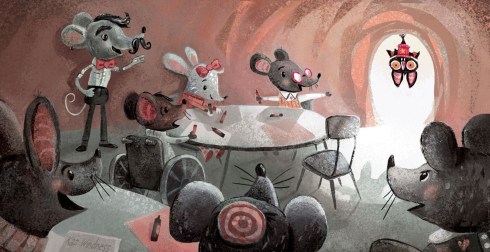
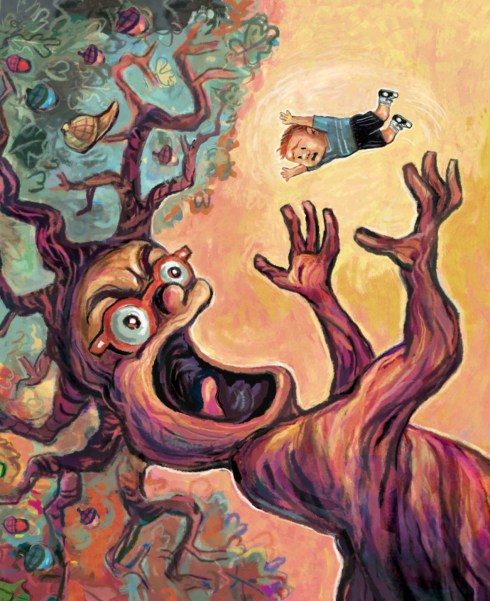
 Laura Zarrin has illustrated over 30 books for children including board books, picture books, and chapter books, Highlights Hidden Pictures, and various educational projects. She’s the illustrator of the Wallace and Grace Series by Heather Alexander and the Katie Woo’s Neighborhood series by Fran Manushkin. She’s currently writing and submitting her own stories. Laura is happiest writing and illustrating characters with subtle and not so subtle humor, bonus points for slapstick comedy.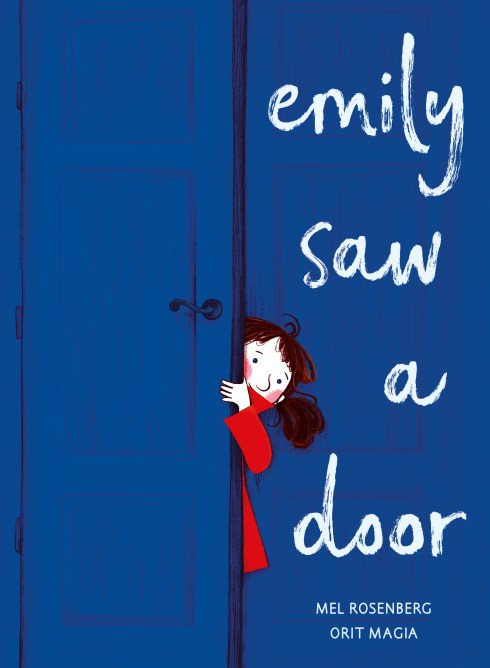
 Canadian-born author, scientist and inventor. He hosts the Children’s Literature channel of the New Books Network [Host, Children’s Literature Channel, NBN ], and is co-founder of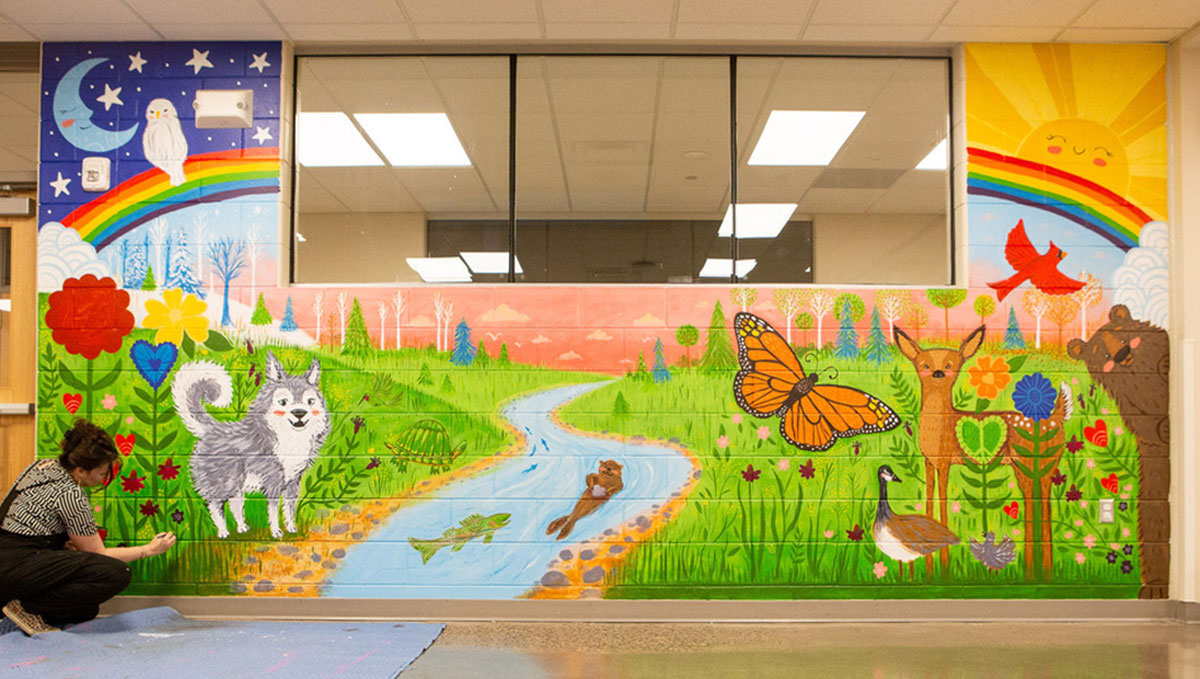
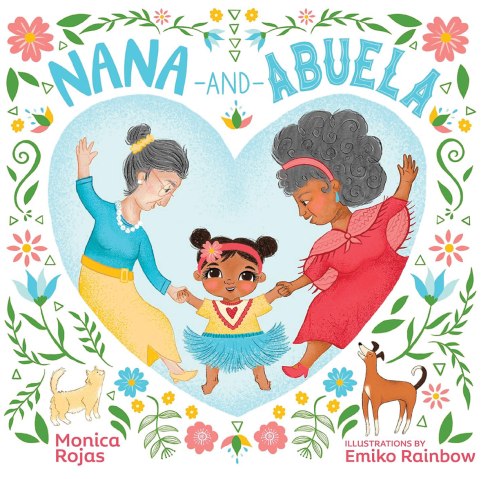
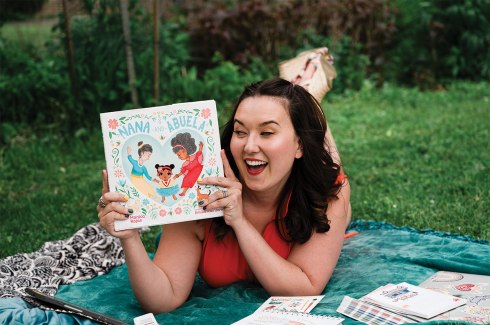
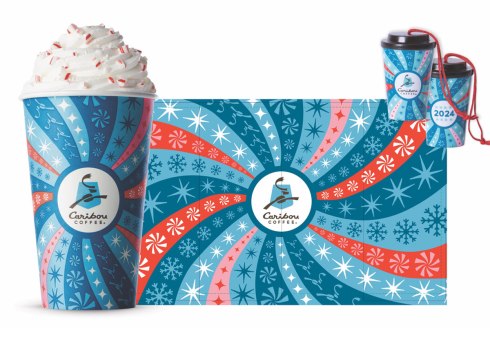
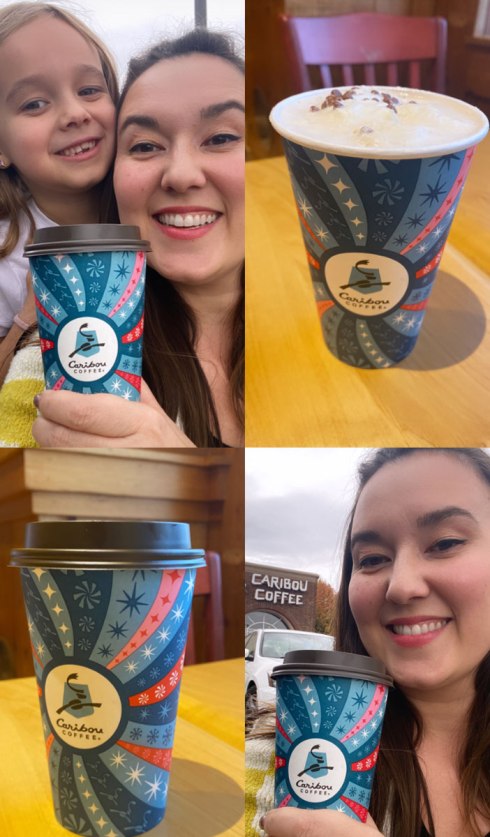

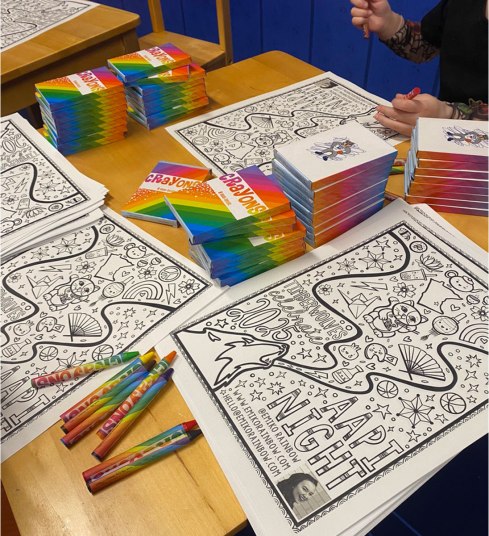
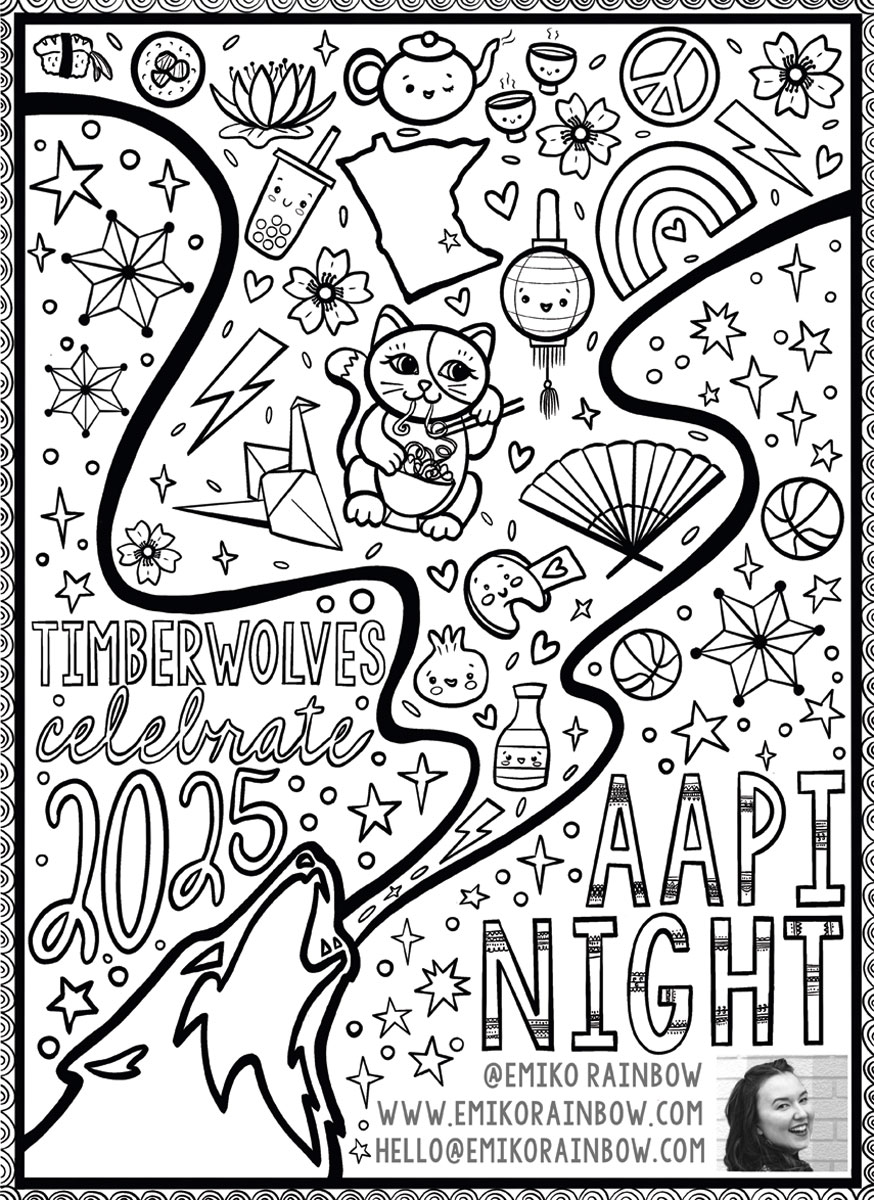
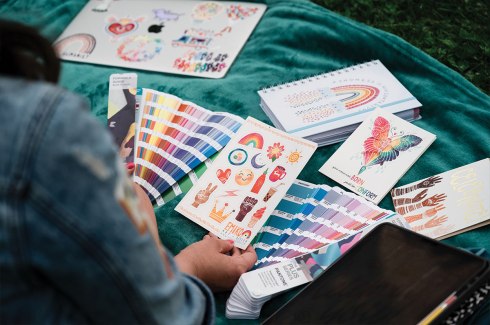
 Emiko Rainbow is a Minneapolis-based professional freelance illustrator, muralist, and product designer who makes art and stories for diverse people to be seen and celebrated. Her first illustrated picture book Nana and Abuela, written by Monica Rojas, was published in 2023. She has been a creator and art brand for over 16 years, collaborating with brands like Trader Joe’s, Barnes & Noble, Caribou Coffee, the Minnesota Twins, and the Timberwolves. Her work has been featured on everything from cups and t-shirts to murals and children’s books. As a multiracial woman and mom, her art and stories are deeply rooted in themes of identity, belonging, and empowerment—always sprinkled with a sense of magic, humor, and lots of color. You can find her at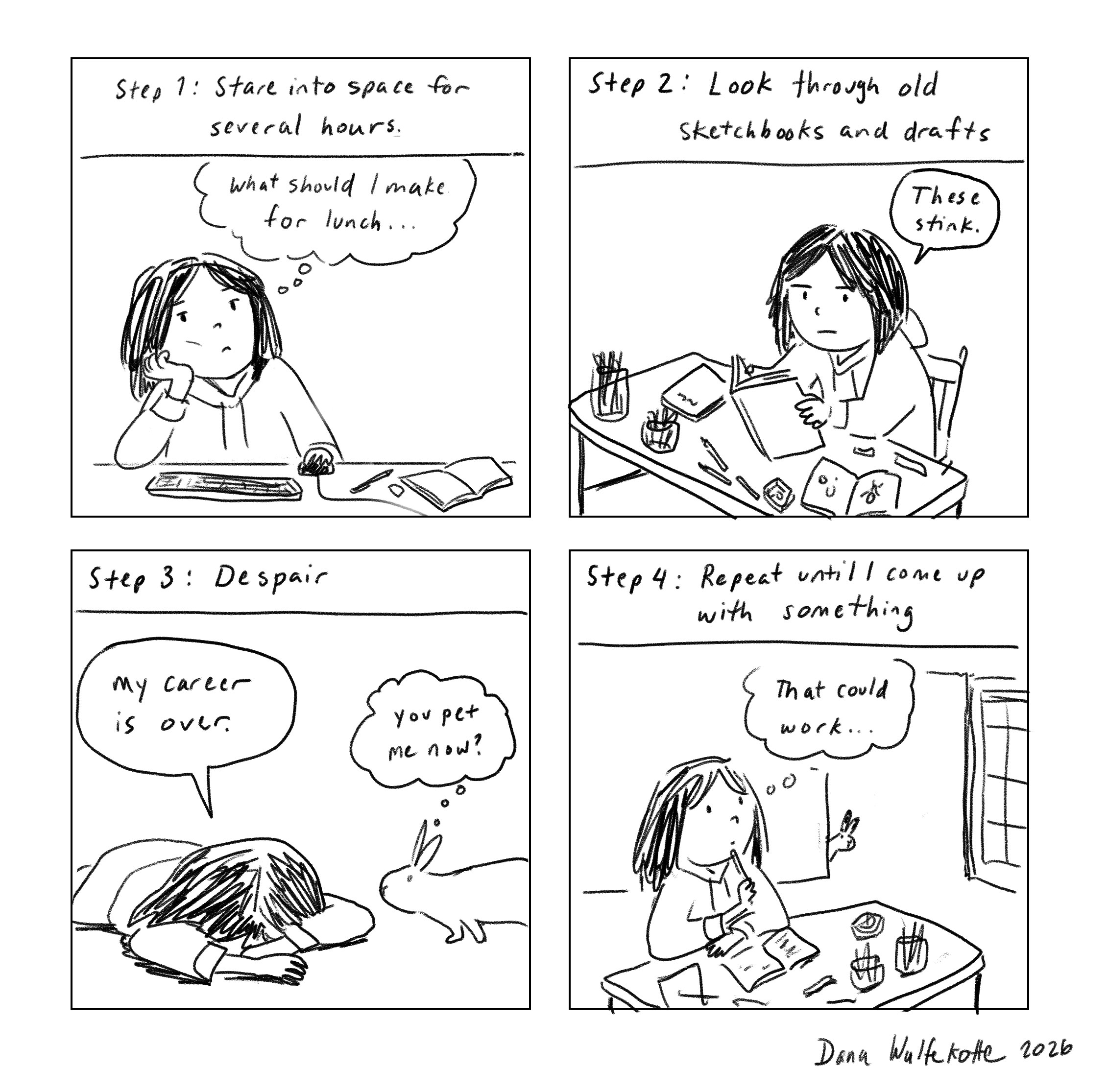
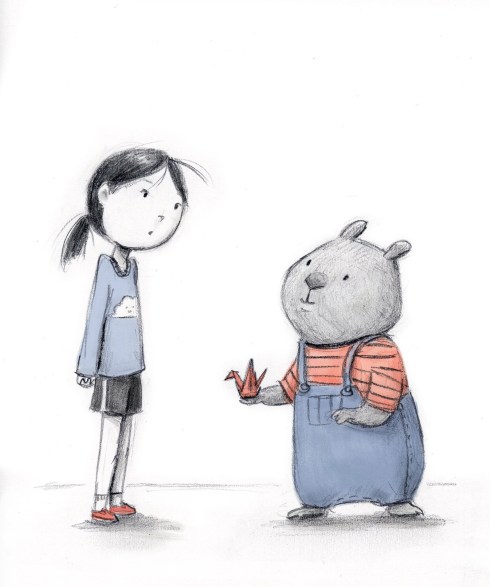
 Dana Wulfekotte is an author-illustrator and animator. She was born in South Korea, grew up in New Jersey, and currently lives in New York with her husband and two rabbits. She illustrated the Schneider Family Honor book THE REMEMBER BALLOONS (written by Jessie Oliveros). Her new book, MABEL’S MUSEUM OF WONDERS, is coming out on June 30, 2026. You can find her online at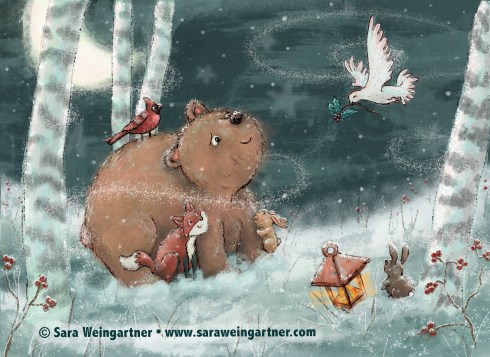

 Sara Weingartner has illustrated nine books (PBs and an early chapter) and is currently submitting her author-illustrator dummies to agents. She works in mixed media (traditional and digital) and is a graphic designer who has designed tons of PBs for a local publisher. Sara is happiest when she’s creating things, being active, and filling her world with color. She also loves throwing pottery (on a wheel!), pickleball, baking and running. She dreams of an inclusive world, believes in magic, and wishes animals could talk. Living in Minnesota, Sara and her husband have two kids (an adult art teacher and teen) and a very spoiled pooch.