by Diana Murray
My 13-year-old daughter must be an imposter. That’s the only explanation for her neatness and love of cleaning. How could she possibly be my offspring?
I sure wish I had some of her tidying tendencies. But even though I’m very messy (GRIMELDA THE VERY MESSY WITCH is basically my autobiography), I do like to keep things in categories. Categories are important. Categories keep the chaos contained. My messy piles of papers are sorted by categories.
And my bookshelf is organized in categories like this:
- Humorous picture books
- Lyrical picture books
- Non-fiction picture books
- Early readers
- Chapter books
- Board books
- Novelty, game and joke books
- Signed books (can’t mix these treasures in with everything else!)
So you might imagine my horror, when my well-meaning, impressively talented and patient daughter began to rearrange my bookshelf…by color! *gasp*
Yes, it looked beautiful and Instagram-worthy. But I could not find anything! After all, I would never think to myself, Hmmm, I could really go for a “blue” book right about now.

Anyway, the point is, I like categories. One reason I like writing in rhyming metrical verse is that there is a lot of built-in structure. I find it comforting when compared to the cavernous open spaces of free verse and prose.
I sometimes feel the same way about inspiration. Although inspiration can come from many places, starting with something as simple as a title, at least for me, is a little less overwhelming than “sky’s the limit”. When I wrote SOMEDAY, MAYBE (illustrated by Jessica Gibson, Holt/Macmillan, March 2023), I began with the title. While stirring up ideas one day, I gave myself the task of coming up with a phrase that would begin a sentence. I imagined it would be a phrase that would repeat throughout the book. I mucked around with a list of different options and didn’t really love anything. But I kept coming back to that file anytime I was looking for inspiration for a new project. About a year or two later, something struck me about “Someday, maybe…”. I guess I just had to be in the right mood to be “feeling” it. I began to write “Someday, maybe cars will fly.” Finally, I liked the direction it was going in! I’ve always been a sci-fi fan so the rest of the manuscript sort of rolled out after that.
Back to categories. Have you ever noticed that there are different kinds of titles? I recently saw a fun post on Twitter called “Title Tryouts” (by Nancy Sanders, via @BrittanyPomales, via @jencowanwriter). I started thinking more about titles and decided to try to nail some down. You will notice that some of the categories overlap. Also, it’s important to remember that even though the title can be a starting point for inspiration, that doesn’t mean that you’re forcing it up. You just write down the title and then you see if it sparks something. The passion will come from a memory or an association. The title is just the jumping off point.
Remember how I mentioned the “novelty, jokes and games” section on my bookshelf? Well, sitting on that shelf is a small collection of Mad Libs. I used to love doing those as a kid and I continue to enjoy them. All you have to do is fill in the blanks, and voila! You can surprise yourself with your own unique story. The following exercise is a bit like a titles-only Mad Libs. For added inspiration, I’m also including examples of published books from me, Tara, and others.
Types of Titles
[fill in the blanks to make your own]
The Meta title:
a. The [_______] Book
b. This Book is [______]
Published Examples: I Thought This Was a Bear Book (by Tara); The Book of Rules; The Quiet Book; The Monster at the End of This Book; Don’t Push the Button; This Book Just Ate My Dog!; What Would You Do in a Book About You?; Snappsy the Alligator (Did Not Ask to Be in This Book)
The Negation Title:
a. Don’t [_____]!
b. Never [verb] a [noun]!
c. No More [plural noun]!
Published Examples: Nope!; No, David!; You Don’t Want a Unicorn; It’s Not Hansel and Gretel; If You Ever Want To Bring a Piano to the Beach, DON’T!; I Will Never Not Ever Eat a Tomato; I Don’t Want to Be a Frog!; I Dare You Not to Yawn; Hey, You’re Not Santa!; I Ain’t Gonna Paint No More!; No Nibbling!; Not a Box
The Celebratory Title:
a. “Hooray for [_____]!”
b. “[______] Party!”
c. “Let’s go [____]!”
Published Examples: Unicorn Day and Mermaid Day (by me); Rah, Rah, Radishes!; Hooray for Hat!; The Great Big Poop Party; Where’s the Party?; Go, Girls, Go!
The One Word Title (often with an exclamation point):
a. [plural noun]!
b. [action verb]!
c. [adjective]!
d. [quiet word]
Published Examples: Bloop (by Tara); Nope!; Ducks!; Dude!; Square; Brave! Found; Stuck; Kaleidoscope
The Lyrical Musing Title (which often repeats throughout the book):
a. When You [verb]
b. Tomorrow is [____]
c. Once Upon a [____]
d. On a [adjective] Day
e. If I Had a [noun]
Published Examples: Someday, Maybe (by me); I Wish You More; This Could Be You!; Wherever You Go; The Wonderful Things You Will Be; On The Night You Were Born; Once Upon Another Time; My Love For You; Whatever Comes Tomorrow
The Question or Instruction Title
a. How to [verb] a [noun]
b. Where’s My [noun]?
c. Can You [verb] a [noun]?
d. Who Do You [verb]?
Published Examples: Help Mom Work From Home! (by me); What Do You Do With an Idea?; Field Guide to the Grumpasaurus; How to Catch a Unicorn; How to Meet a Mermaid; Where’s the Party? Where’s My Butt?; Where is My Balloon?; How to Babysit a Grandma
The Popular Song or Fairytale with a Twist Title
a. Twinkle, Twinkle, Little [noun]
b. Hush Little [noun]
c. Rock-a-bye [noun]
d. Old MacDonald had a [noun]
e. The Three Little [plural noun]
Published Examples: Little Red Gliding Hood (by Tara); Mary Had a Little Glam; Cock-a-doodle-OOPS!; There Was an Old Dragon Who Swallowed a Knight; Twinkle, Twinkle, Little Car; Moldylocks and the Three Scares; It’s Not the Three Little Pigs; The Three Ninja Pigs; Hush, Little Monster; It’s Raining Bats and Frogs
The Unexpected or Opposite Word Pairing Title
a. [adjective], [opposite adjective]!
b. I Love [unpleasant plural noun]!
Published Examples: Love Stinks! (by me); Yummy Yucky; Goodbye, Friend! Hello, Friend!; Duck, Duck, Moose; Z Is for Moose; P is for Pterodactyl; Digestion the Musical; Good Night Baddies; Creepy Carrots; Mushroom Rain; Bad Apple’s Perfect Day; The Obstinate Pen; The Crab Ballet; I Got a Chicken for my Birthday; Animals in Pants; Vegetables in Underwear; Goodnight, Veggies (by me)
The Rhyming Title
a. [noun] in a [noun]!
b. [adjective] [noun that rhymes]
Published Examples: Doris the Bookasaurus (by me); Don’t Be Silly Miss Millie!; Sheep in a Jeep; The Cat in the Hat; Fancy Nancy; Here’s What you Do When You Can’t Find Your Shoe; How To Train Your Pet Brain; Wordy Birdy; Green as a Bean
The Alliterative Title
a. [adjective] [noun beginning with same letter]
b. [any holiday][noun beginning with same letter]
Published Examples: Sleepy Snuggles (by me); Creepy Carrots; Horton Hears a Who; Bee-Bim Bop!; Penguin and Pinecone; Battle of the Butts; The Bold, Brave Bunny; Sam’s Super Seats; Jabari Jumps; Larry’s Latkes; Normal Norman (by Tara)
The Onomatopoeia Title
a. [sound], [sound], [sound]!
b. [sound]!
c. [sound]?
d. The [sound adjective] [noun]
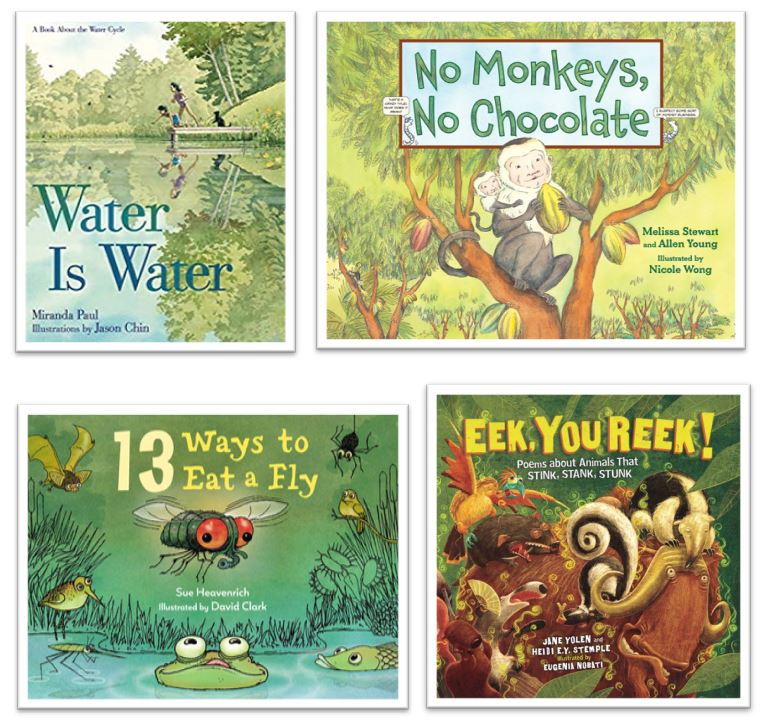
Published Examples: Boo! Hiss!; Bump in the Night!; Click, Clack, Moo: Cows That Type; Eek, You Reek!; Splish, Splash, Splat!
The Silly, Nonsense or Made-up Word Title
a. [made up word]
b. [silly/unique proper name]
Published Examples: The Thingity-Jig; Hogwash!; Nerp!; Du Iz Tak? Best Frints in the Whole Universe; My Name is Wakawakaloch; The Red Ear Blows Its Nose
The Character Title
a. [character name] the [adjective] [noun]
b. [adjective][rhyming name]
Published Examples: Bloop (by Tara); Ned the Knitting Pirate (by me); Grimelda the Very Messy Witch (by me); Doris the Bookasaurus (by me); Lady Pancake and Sir French Toast; Tiny T-Rex and the Impossible Hug; Henny; Fancy Nancy; Crankenstein; Stellaluna; The Adventures of Beekle: The Unimaginary Friend; Oona; Warren and Dragon; A History of Underwear with Professor Chicken; Groggle’s Monster Valentine (by me)
The Counting or Quantifying Title
a. One [adjective] [noun]
b. Too Many [plural noun]!
c. Ten Little [plural noun]
d. Too [adjective]!
Published Examples: Double the Dinosaurs (by me); One Snowy Day (by me); Five Fuzzy Chicks (by me); Dozens of Doughnuts; Millions of Cats; Counting Kisses; One Hundred Shoes; One Big Pair of Underwear
The Clever Wordplay or Pun Title
a. [literally any pun]
Published Examples: 7 Ate 9 (by Tara); The Monstore (by Tara), Happy Llamakkah!: A Hanukkah Story; Wondering Around; Pirasaurs; Hey, Hey, Hay!; The Friend Ship; Nerdycorn; Not Yeti; Kung Pow Chicken; Un-BEE-lievables; Shampoodle; Mice Skating; Brainstorm!
This is far from an exhaustive list. And as I mentioned, there is A LOT of crossover between the groups. Why not a #6 (question) #8 (unexpected) and #9 (rhyming) combo, for example: “How Do You Hug a Bug?” Or perhaps you’re tempted to get in touch with your inner 8-year-old and fill in “butt” or “burp” for all the blanks. Well guess what? I didn’t add it here, but there could honestly be a whole category just for titles that feature butts, burps, poop, underwear and farts! So go right ahead.
Are there any other categories you would add? Have I missed any of your favorite books? I’m sure I’ve left out some of my own and I’ll be kicking myself later. But hopefully, filling in these blanks and perusing the other existing titles will give your inspiration a jolt! Have fun! And feel free to use this as an excuse to procrastinate on your cleaning chores. I know I will!
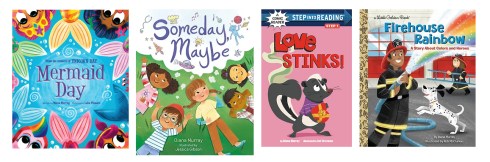
 Diana Murray is the author of over twenty books for children, including the bestselling UNICORN DAY series, an ILA/CBC Children’s Choice Book, a 2019 Goodreads Choice Finalist, and 2022 Amazon Best Book of the Year (UNICORN NIGHT board book edition). Some of her recent and forthcoming titles include LOVE STINKS! (Step-into-Reading/Random House), SOMEDAY, MAYBE (Holt/Macmillan), FIREHOUSE RAINBOW (Little Golden Books), and MERMAID DAY (Sourcebooks). She grew up in New York City and still lives nearby with her husband, two children, and a dancing dog. Visit her at DianaMurray.com and follow her on Twitter @DianaMWrites.

Diana is giving away a picture book critique.
You’re eligible to win if you’re a registered Storystorm 2023 participant and you have commented only once on today’s blog post. ↓
Prizes will be distributed at the conclusion of Storystorm.




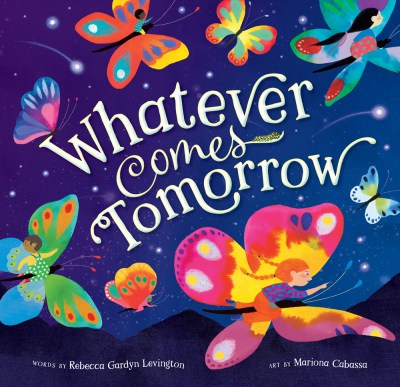
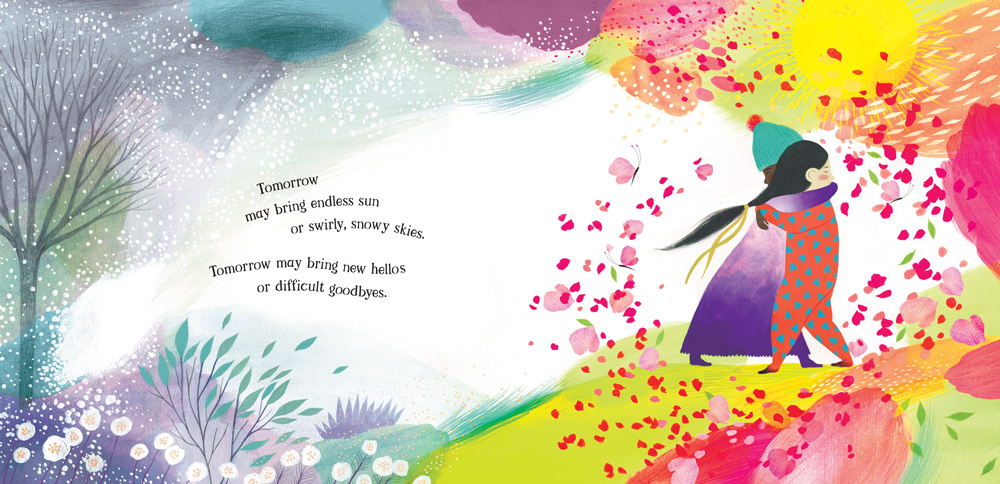
 Rebecca Gardyn Levington is a children’s book author, poet, and journalist with a particular penchant for penning both playful and poignant picture books and poems – primarily in rhyme. Her debut picture book BRAINSTORM! (Sleeping Bear Press, 2022) hit bookstores last summer. She has six more rhyming picture books being published in the next two years, including WHATEVER COMES TOMORROW (Barefoot Books, March 7, 2023), AFIKOMAN, WHERE’D YOU GO? A Passover Hide-and-Seek Adventure (Penguin Random House/Rocky Pond Books, 2024), and I WILL ALWAYS BE… (HarperCollins, 2024). Rebecca’s award-winning poems and articles have appeared in numerous anthologies, newspapers, and magazines. She lives in the suburban jungles of New Jersey with her husband and two boisterous boys. Find out more about Rebecca at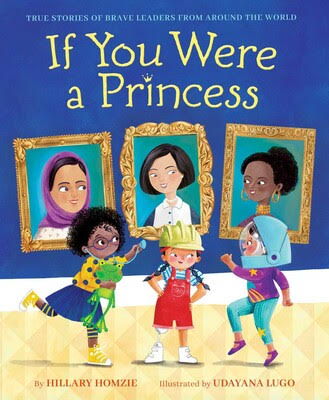


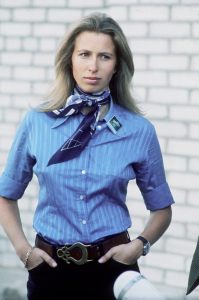 When I was six, we moved to Sussex, England where the ruins of the Lewes Castle loomed over our street. Princesses felt very real, and I became enamored with Princess Anne.

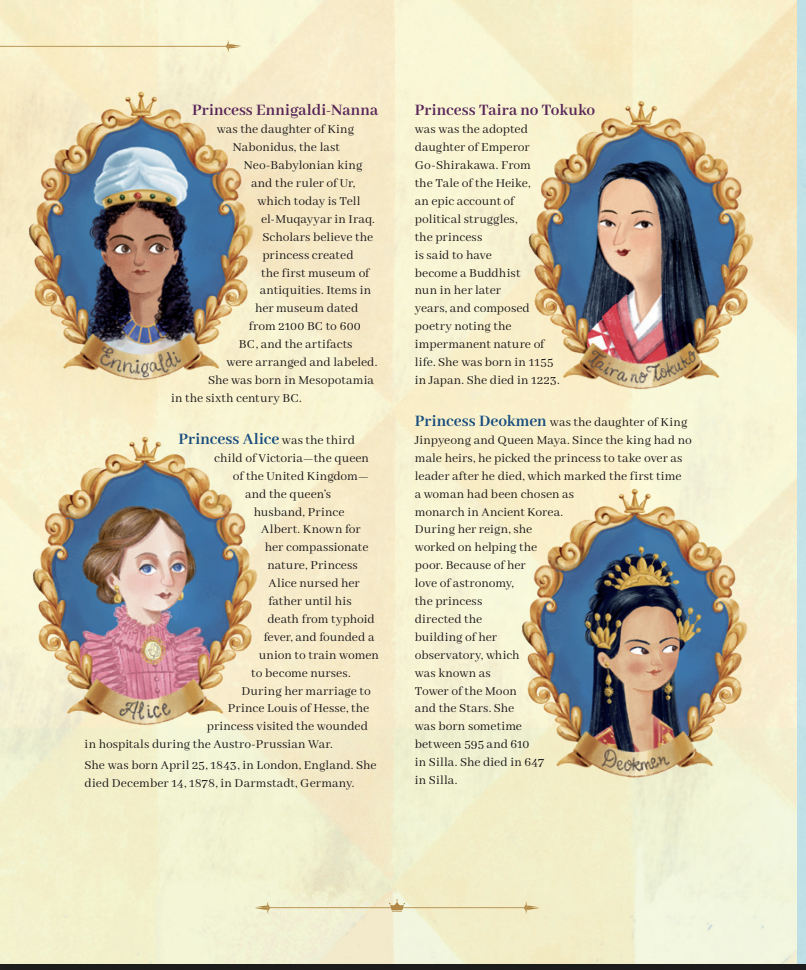
 Hillary Homzie is the author of eighteen books, including the picture book, IF YOU WERE A PRINCESS: TRUE STORIES OF BRAVE LEADERS FROM AROUND THE WORLD and the ELLIE MAY as well as the ALIEN CLONES FROM OUTER SPACE chapter series, which was in development as an animated television show for ABC Australia. Her middle grade QUEEN OF LIKES was optioned by Priority Pictures and is a PJ Our Way selection. She teaches at Sonoma State University, the Summer Graduate Program in Children’s Writing, Literature and Illustration at Hollins University and for the Children’s Book Academy. Hillary especially loves coaching others to find their voice. The Los Angeles Times called her teaching: “very attentive and appreciative and encouraging.”



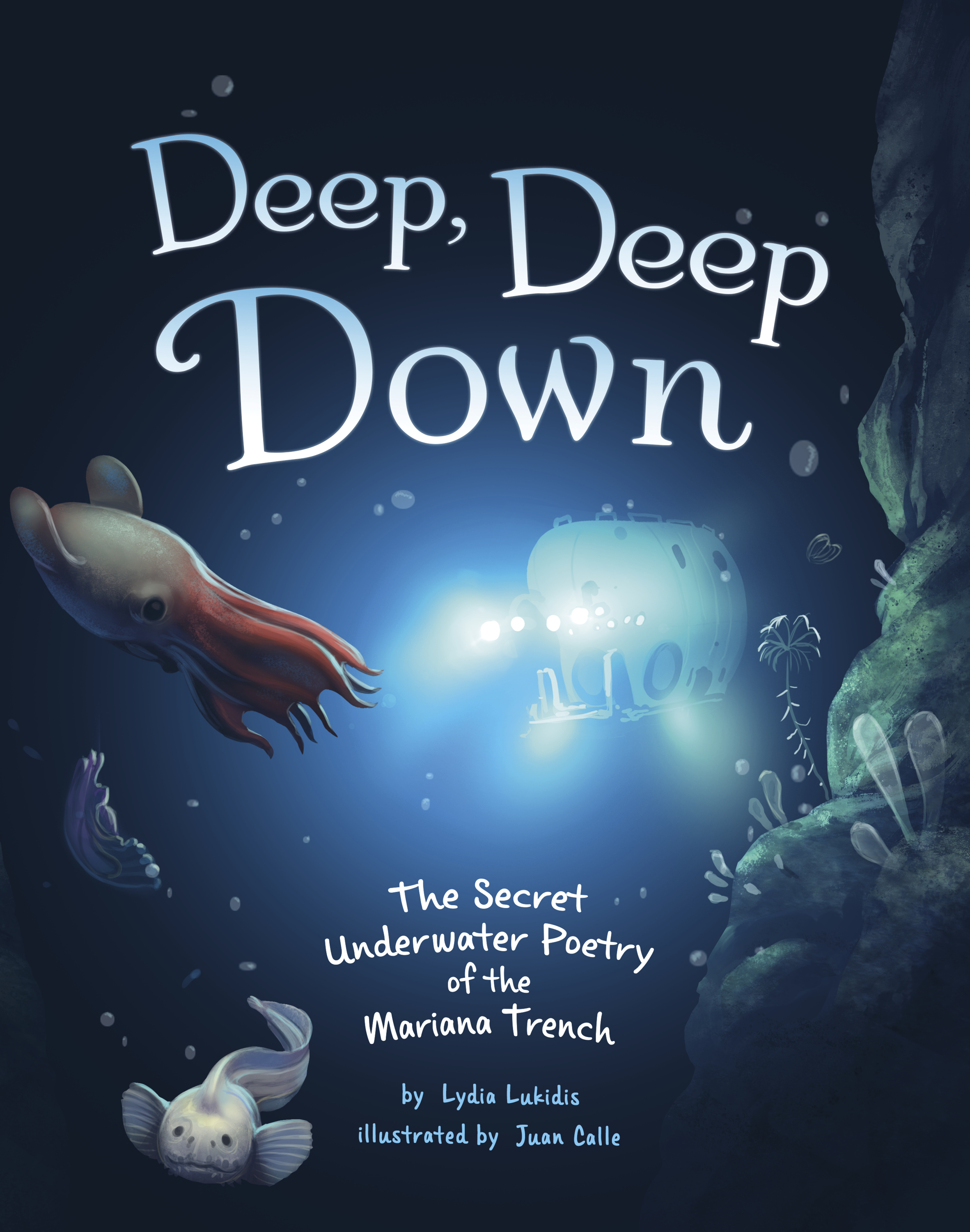
 Lydia Lukidis is the author of 50+ trade and educational books for children. Her titles include DANCING THROUGH SPACE: Dr. Mae Jemison Soars to New Heights (Albert Whitman, 2024), DEEP, DEEP, DOWN: The Secret Underwater Poetry of the Mariana Trench (Capstone, 2023), THE BROKEN BEES’ NEST (Kane Press, 2019) which was nominated for a Cybils Award, and NO BEARS ALLOWED (Clear Fork Media, 2019). A science enthusiast from a young age, she now incorporates her studies in science and her everlasting curiosity into her books.
 When Tara Lazar mentored me, one of the first things she noted was that my stories had an ACME-like quality to them. This is evident in my books THE QUACKEN (Simon & Schuster) and IMPOSSIBLE POSSUMS (Disney-Hyperion), both written during my cartoon-filled pandemic lockdown and debuting fall of 2024. Here’s the pitch for the latter:
 Justin Colón is a Latino author with several forthcoming picture books, including IMPOSSIBLE POSSUMS (Disney-Hyperion, 2024) and THE QUACKEN (Simon & Schuster, 2024). He is also the owner/director of The Kidlit Hive (kidlithive.com), a new program offering webinars, workshops, multi-week classes, and mentorships for picture book creators. In his other life, Justin is a professional, formally trained voice and on-camera actor and has co-starred in shows such as Unbreakable Kimmy Schmidt, Gotham, The First Wives Club, Sneaky Pete and Limitless. He is represented by Jennifer March Soloway of Andrea Brown Literary Agency. To learn more about Justin, you can visit
 The topic of obsessive-compulsive disorder (OCD) is close to my heart as I have personally dealt with it since seventh grade. In 2009, I wrote a nonfiction book for teens on OCD. I then used my personal experience and the extensive research I had already done to write a novel with a main character who had OCD titled COOKIE CUTTERS & SLED RUNNERS (Sky Pony Press). I was able to really dig into the emotions the character felt, the treatment, and the protagonist’s path to improving her OCD episodes. As well, I got to add in high-interest topics: baking and sled-dog racing.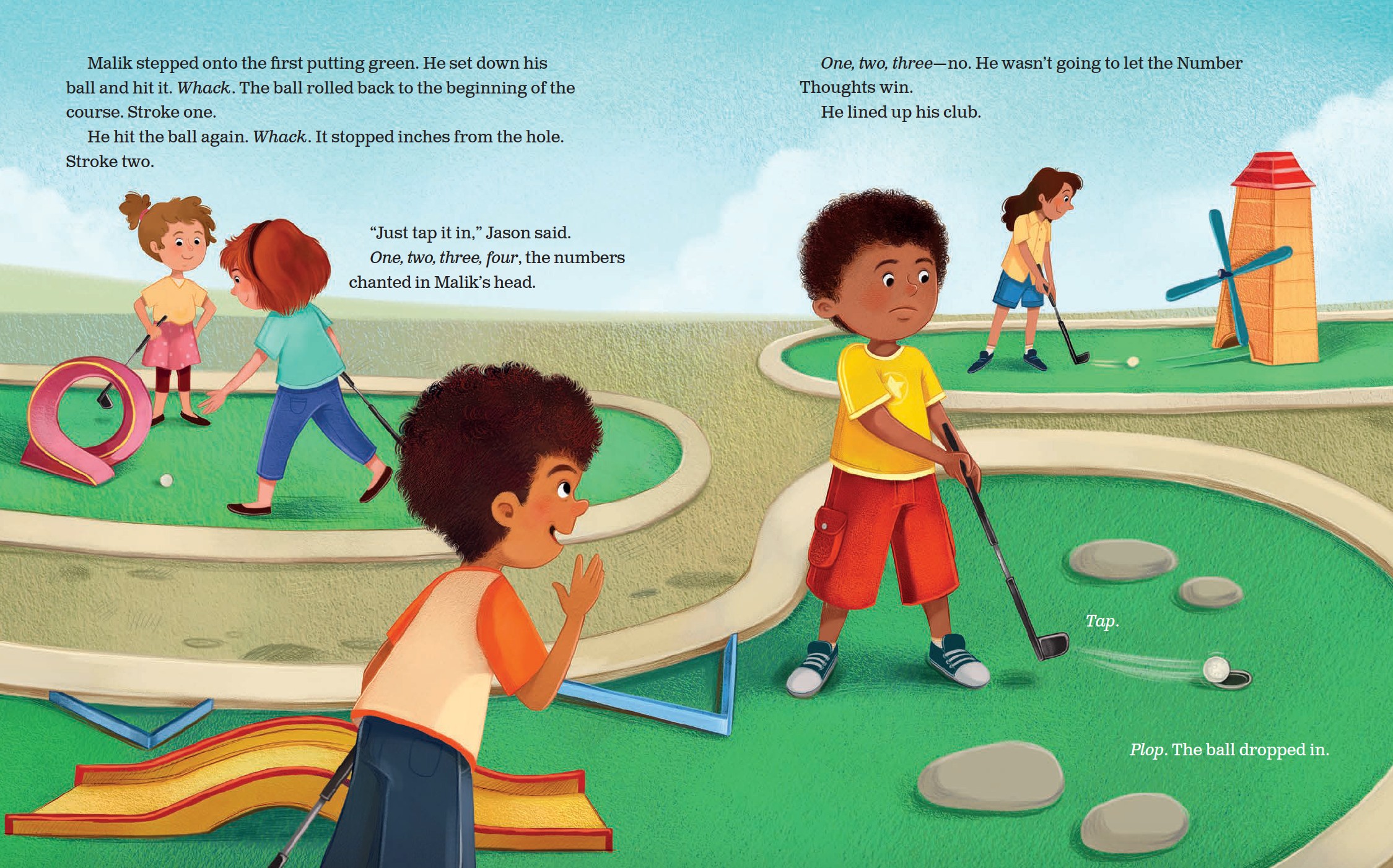
 Natalie Rompella is the author of more than sixty books and other resources for children, including MALIK’S NUMBER THOUGHTS: A STORY ABOUT OCD, a picture book addressing obsessive number thoughts and COOKIE CUTTERS & SLED RUNNERS, a middle grade novel about OCD. She is a former elementary school and middle school teacher. Natalie lives with her two kids, husband, and dog in the Chicago suburbs, where she enjoys playing pickleball, baking, and hanging out with her family. Find out more at

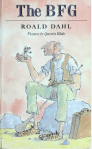 In THE THINGITY-JIG, I also borrowed the idea of making up words. I used to read THE BFG by Roahl Dahl to my fourth grade students. In his book, Dahl made up words like trogglehumper, snozzcumber and bellypopper. In my book, I made up rolly-rumpity, lifty-uppity, and pushy-poppity.
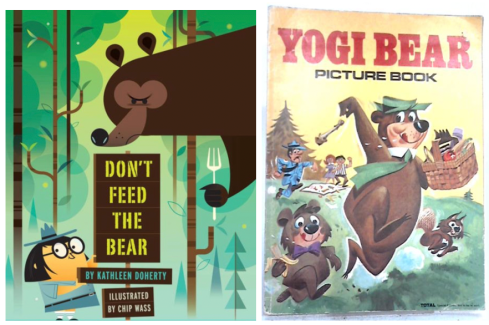
 Kathleen Doherty is a former Educational Specialist/Reading Specialist. Her first picture book—DON’T FEED THE BEAR—is featured on Kirkus Reviews’ recommended list and is in its sixth printing. Her second picture book—THE THINGITY-JIG—received a starred review from Kirkus Reviews and is being published in nine languages. Her third picture book—THE TWIST-A-ROO—is forthcoming in November 2023. Her work has appeared in TIME Magazine, The Mailbox, Highlights for Children, Highlights High Five, Highlights HELLO, and Spider Magazine. She’s won the Highlights Pewter Plate Award, the Highlights Celebrate National Poetry Contest, and a Letter of Merit in poetry from the SCBWI Magazine Merit Awards.


 Laura Zarrin is the illustrator of the WALLACE AND GRACE series by Heather Alexander and the KATIE WOO’S NEIGHBORHOOD series by Fran Manushkin.She’s now writing her own sweetly subversive stories. Laura has illustrated over 30 books for children including board books, picture books, and chapter books. She’s happiest illustrating characters with subtle and not-so-subtle humor.









