You are currently browsing Tara Lazar’s articles.
by Debbie Ridpath Ohi (from 2017)
I’m assuming that you’re all deep into your brainstorming about story ideas at this point and already have a meaty list after all the inspiring posts you’ve been reading during Storystorm. Good for you!
I sometimes equate this stage of story brainstorming to experimenting with a recipe for a cake. Why cake? Because cake is one of my favorite things in the world. And suppose it’s a recipe entry for a baking contest in which you can submit ONE entry.
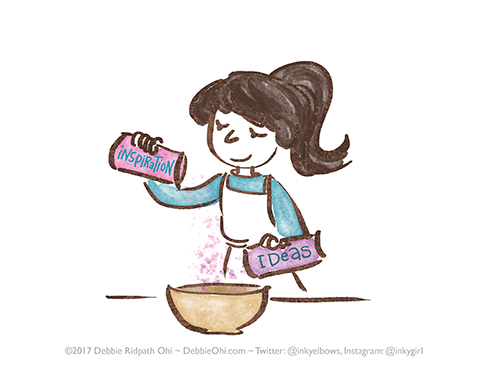
After Storystorm, I advise you to browse your list of ideas and choose the one that appeals to you the most. Maybe you’ll be so excited about this particular idea that you won’t be able to wait. Maybe you’ve already started working on expanding the story, plotting an outline and/or doodling rough sketches. Maybe you’ve just expanded the idea a wee bit, perhaps into a paragraph or a few pages of notes.
Excellent! Now put that story away and DON’T LOOK AT IT for a while. “A while” is up to you. For me, it’s at least two weeks but sometimes several months.
In our baking analogy: it means tweaking your cake recipe and then putting that experimental cake in the oven:
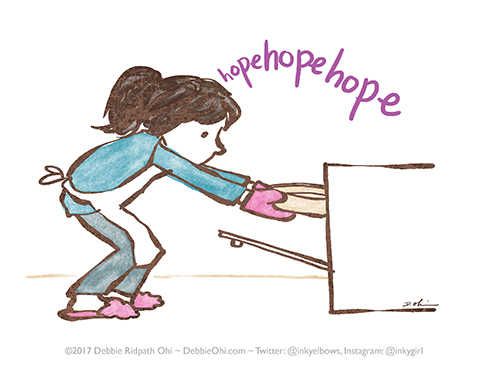
RESIST THE URGE TO TAKE IT OUT OF THE OVEN BEFORE IT’S READY.
Why?
Because if you take it out too soon, it’ll look pretty much the same as when you put it in. What you want: to give it enough time to settle, to bake, to reach a state where you can taste it objectively and see whether it’s really THE cake recipe you want to submit to the contest.
Sometimes when you take it out of the oven, it’ll look like this:
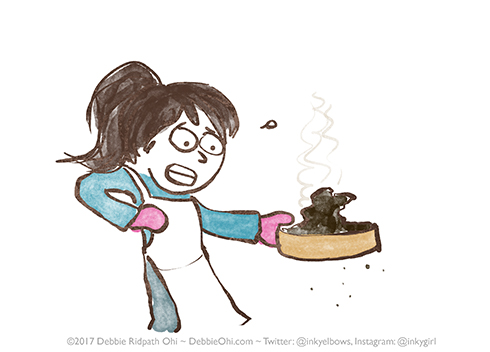
Though of course we all hope for this:
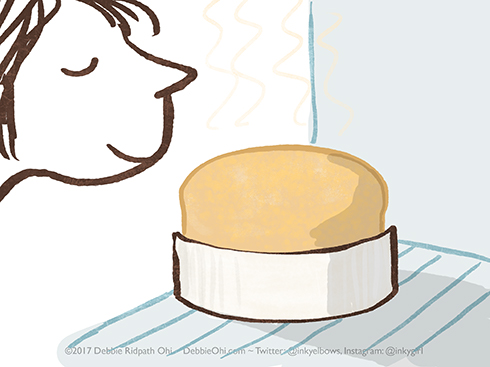
But back to when your cake story looks like this:
At this point, you may realize that it’s not worth salvaging, and you may want to just toss it. Sometimes your instinct will be right.
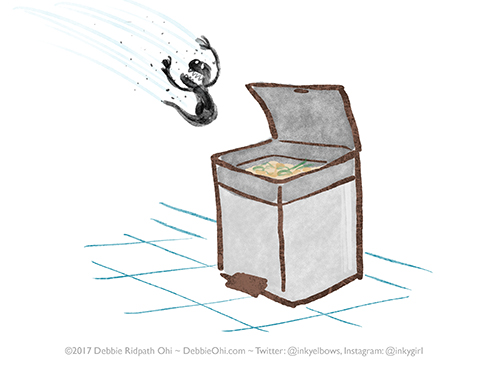
However, there may still be SOMETHING about it that you just can’t let go of:
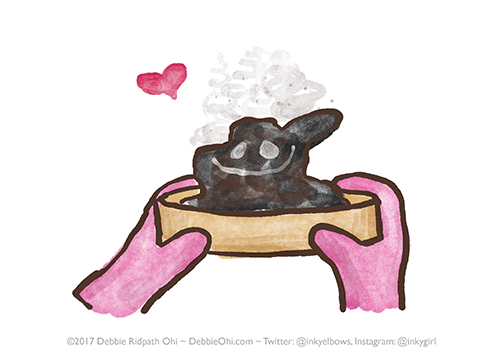
In that case, try experimenting some more. Maybe combine it with another idea, find a different spin, rework it in a different genre or format. Turn it upside down or reverse it, add an unexpected twist. You never know what will happen. Read this Veronica Bartles Storystorm post about how she substitutes story ingredients to familiar recipes to make them uniquely delicious. (Mmm, plus her Cranberry Sage Cookies With Almonds recipe sounds yummy….)
Then put it in the oven again to let it bake:
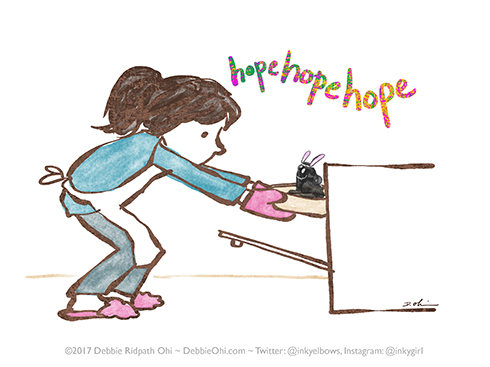
As before, no matter how excited you are, force yourself to work on something else and NOT take your new creation out too soon. While you’re waiting, take a look at your other recipe ideas, start experimenting for another recipe.
And so on. Ok, I’ll drop the baking analogy…you get the message, right?
Sometimes I may feel SUPER excited with a new story idea and have the urge to IMMEDIATELY dive into the writing and editing and revision process. Sometimes the first draft of the story pours out onto the paper; I love when this happens. However, I have learned to let an idea or first draft sit for a while before coming back to it. If I’m still excited about it, then I go to the next stage. After another round of writing or sketching or revising, I let it sit again and then re-evaluate.
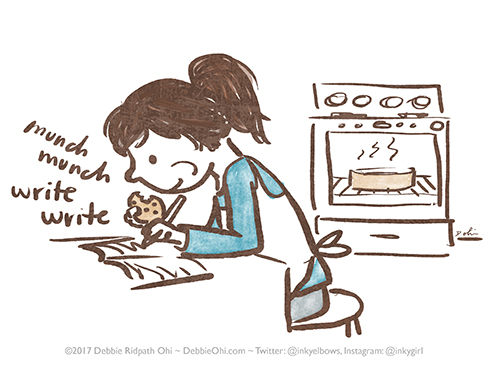
The danger of letting yourself dive into developing a story idea too soon is that you’ll get so caught up with the “ooo shiny toy” honeymoon phase that you won’t be objective. You’re going to be pouring a lot of time and effort into this project, after all, as well as inevitably getting emotionally invested. It’s in your best interest to take your time before you commit.

So stick with the rest of the Storystorm month! Keep reading Storystorm blog posts and coming up with ideas. By the end of the month, you’ll be able to look at your earlier ideas more objectively.
This is pretty much my story brainstorming process, by the way. I currently keep a notebook where I constantly jot down story ideas, fragments, bits of conversations and synopses for picture books, chapter books and middle grade novels. I used to use a digital notebook but I currently prefer a paper notebook where I can doodle as well as scribble ideas PLUS I like being able to physically browse earlier ideas to see if they still excite me.
Whatever the method you use to keep track of your story ideas, I encourage you to GIVE THEM TIME to develop and before sending them out into the world.
Good luck!

 Debbie Ridpath Ohi is the author and illustrator of Where Are My Books? (Simon & Schuster), a book that began as an idea generated during PiBoIdMo (now known as Storystorm). Her writing and/or illustrations have appeared in over20 books. She is the author and illustrator of two picture books: SAM & EVA (Simon & Schuster Books For Young Readers, 2017) and WHERE ARE MY BOOKS? (S&S, 2015). Her home publisher is Simon & Schuster, but she has also worked with HarperCollins, Random House, Little, Brown, and Stone Bridge Press, among others. She feels honured to have worked with wonderful authors like Judy Blume, Michael Ian Black, Aaron Reynolds, Rob Sanders, Lauren McLaughlin and Colby Sharp. Debbie posts about reading, writing and illustrating children’s books at Inkygirl.com. Twitter: @inkyelbows.

At the conclusion of Storystorm, prize packs will be given away (books, swag, writing tools). Comment once on this blog post to enter into the prize pack drawing.
You’re eligible to win if you’re a registered Storystorm participant and you have commented once below.
Good luck!
by Chana Stiefel
Hello Storystormers! By now, you are either sloshing through puddles of ideas, or maybe you’re stuck in the mud. That’s ok! Here’s a method to jumpstart your story idea machine…
Recently, I came across an article by Fancy Nancy author Jane O’Connor announcing that she is hanging up her boa. O’Connor’s idea for her blockbuster series came from her habit of dressing up when she was a kid and urging her mom to be fancy, too.
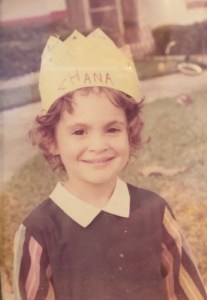 I love that O’Connor’s spark came not only from exploring her inner child but from her ACTUAL childhood. So here’s your new assignment: Take a walk down memory lane and dig deep into your childhood. (You may have blocked it, but you had one!)
What stories pop into your head? What made your childhood unique? Think about your relationships with parents, siblings, teachers, friends, camp counselors, baby sitters, coaches, neighbors, pets….you get the idea! What conflicts or challenges did you face? Did you resolve them? If so, how? What were your talents, hobbies, dreams, likes and dislikes?
Now here’s the TWIST. Unless you are uber-famous, most kids (or editors) may not want to read your autobiography. So take your idea and give it a twist. Exaggerate, add humor, turn yourself into an animal or robot, take your idea and go bigger!
O’Connor didn’t copy her own childhood; she took it to another level and created a character that uses French terms and flowery language to express her “fancy” nature. Voila!
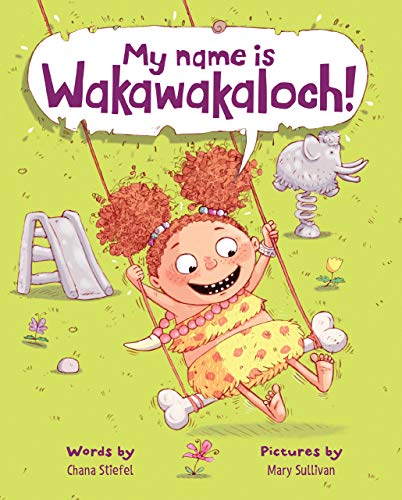
When I started writing my upcoming picture book, MY NAME IS WAKAWAKALOCH!, a Storystorm (then PiBoIdMo) 2014 idea that will be published by Houghton Mifflin Harcourt on August 27 (woohoo!), my first drafts were about a girl named Chana (ahem) who wanted to change her unpronounceable name. In those older versions, Chana’s grandmother explained that Chana got her name from her namesake, her resilient great grandmother. My critique partners thought my story was okay but Chana needed to solve her own problem. I was stuck in the muck for a long time. Then I read a blog post by my agent John Cusick suggesting that I drop my character into a new setting. That’s how my cave girl Wakawakaloch was born.
Soon a whole new world opened up and my manuscript took off. (Check out my full “success story” on Tara’s blog.) Basically, I started with my own childhood struggle of dealing with a hard-to-pronounce name, gave it a neolithic twist, and ended up with cave girl with a funny and relatable problem. The takeaway: It’s those real, relatable childhood experiences that touch the hearts of kids.
I asked some writer friends if their own childhoods sparked book ideas. OF COURSE they did! Here are some more examples for inspiration:
- Army brat journeys
Gretchen McLellan wrote, “Many of my books, published and soon-to-be, are based on my nomadic army-brat childhood. MRS. McBEE LEAVES ROOM 3 (Peachtree, 2017) is grounded in my extensive experience with the bittersweet of saying goodbye. BUTTON AND BUNDLE (Knopf 2/19/19) is based on leaving my first best friend and the world of play we created. My experience of having a father at war is deeply woven into WHEN YOUR DADDY’S A SOLDIER (Beach Lane, 2020).”
- Family traditions
Patricia Toht said, “I mined our family’s holiday traditions for PICK A PUMPKIN (Candlewick, July 9, 2019) and PICK A PINE TREE (Candlewick 2017).”
- Childhood fears
Gaia Cornwall added, “Being scared of jumping off the diving board, while wanting to sooo badly, is a very clear memory from childhood.” Results: The beautiful JABARI JUMPS (Candlewick, 2017).
- Family photos
Ariel Bernstein shared this gem: “I saw an old photo of me on a camping trip with my family–in a canoe with my mom and sister where they were smiling and I was scowling. I thought it was funny and came up with the idea for my upcoming PB, WE LOVE FISHING, which is about four woodland friends who go fishing–three love fishing, one (the squirrel, based on me), does not. (S & S, Paula Wiseman, 2020).” See how Ariel drew from her childhood and added a twist?
- Size matters
From Gina Perry: “I wrote SMALL (Little Bee, 2017) because I was always the smallest kid in my class, all the way through middle school. I never forgot how it felt and wanted to show ways that kids could feel big regardless of size.” True that!
- Collectibles
Michelle Schaub shared: “Two of the poems In my upcoming PB poetry collection, FINDING TREASURE (about things people collect), coming from Charlesbridge in September 2019, are based off of childhood memories of my grandma collecting teapots and my grandpa collecting license plates.”
So get out of the muck and give it a try: Tap into your unique childhood. Add a twist. Create fresh new stories for years to come!
Check out Jane O’Connor’s article here:
“Au Revoir, Nancy! A Children’s Book Author Kisses Her Character Goodbye”

 Chana Stiefel grew up in South Florida, fishing for tadpoles and going on swamp tromps in the Everglades. Her childhood love of creepy critters was her inspiration for writing ANIMAL ZOMBIES!…& OTHER REAL-LIFE MONSTERS (NatGeoKids, 2019). Growing up with a hard-to-pronounce name gave Chana the spark to write MY NAME IS WAKAWAKALOCH! (illus. by Mary Sullivan; HMH, 8-27-19) about a cave girl who wants to change her unpronounceable name. Chana is also the author of DADDY DEPOT (Feiwel & Friends, 2017) and the upcoming LET LIBERTY RISE (Scholastic, 2021). She is represented by John M. Cusick at Folio Literary. Follow @chanastiefel on FB, Twitter, and Instagram and visit her at https://chanastiefel.com/.
Chana is giving away a signed copy of MY NAME IS WAKAWAKALOCH! after its release in August. (U.S. only, please!)
Simply leave ONE COMMENT below to enter.
You’re eligible to win if you’re a registered Storystorm participant and you have commented once below. Prizes will be given away at the conclusion of the event.
Good luck!
by Vanessa Brantley Newton (from 2014)
When I was going to school, I attended a community school that had been created by the parents and local writers, artist, musicians, and poets. It was a special school because we could not go to white schools. We had some of the best teachers ever! One day, I met this wonderful teacher named Miss Russell. Miss Russell had the biggest, orangest afro I had ever seen in my whole entire life. It looked like a cloud. She wore the shortest dresses and the coolest shoes. I loved Miss Russell. Once she set me on her lap and shared a beautiful book that has stayed with me all these years. It was about a young boy who wore a red snow suit and lived in the hood as far as I was concerned, LOL! The thing that stood out about this boy was that he was brown just like me!
He was beautiful!! His mom and dad looked just like my parents. Even the wallpaper looked like the wallpaper in my own house. I was excited and thrilled. Surely the person was who created this book must have been watching me from his studio window. The book left me feeling some kind of way. It conveyed all my feelings and thoughts through its beautiful, colorful pictures and collage. I couldn’t remember all the words to the story, for you see I am dyslexic. There was nobody who really understood what that was. The words didn’t make sense to me but the pictures told me the story.
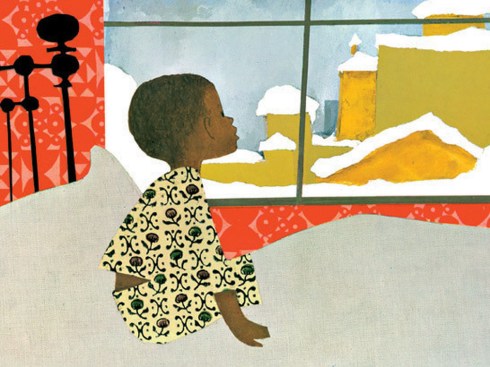
Everybody is now talking about diversity in children’s books. In 1963 there weren’t many books that had a black child as a main character, and when they were drawn in children’s books of old, black people were drawn very cruelly and just plain ugly. The book moved me so because it would be the first time I would see a black child that looked like me, dressed like me…might have even been me, LOL.
I loved Peter—he was my little brother in my head. Peter was beautifully illustrated and I related to his story because I had experienced the same thing. Countless other children experienced the same thing. Many years would pass and I would end up in a Barnes and Noble looking for picture books to inspire me as I began to illustrate children’s books myself. I came across “The Snowy Day”.
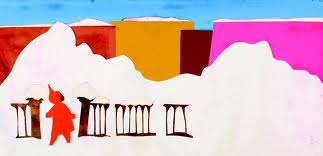
Now as I told you, I am dyslexic. Reading for me sometimes can be a struggle. The words seem to dance on the page. Numbers seem to move and float around. I push myself constantly to read out loud, and while I make it look effortless and fun, it is a struggle for me still. I took “The Snowy Day” and sat on the floor of B&N and I read it through tears. Every wonderful and magnificent word.
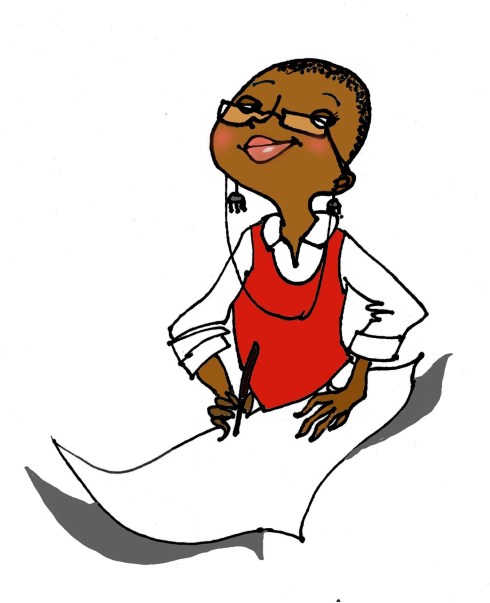
Finally, words and pictures came together. Comforting memories from the first time that the book was read to me spilled over like warm beach waves. I looked for books written and illustrated by Ezra Jack Keats. I began to do my own study on his work. I copied the man. I wanted to somehow do for other children what this awesome man had done for me. Ezra Jack Keats made me feel so special because he thought that I should have been in a children’s book all along. I wasn’t an afterthought!

It is important that not only Black, White, Chinese or Indian children be seen in picture books, but that all children see themselves in picture books. That all children get to experience another culture so that their minds broaden. Diversity is needed if we are going to grow as writers and illustrators. I like to call myself “The Multicultural Illustrator”. It is reflected in my work. I come from a very blended background—African American, Asian, European, and Jewish decent—it’s all in there. So if you are thinking that diversity is not important, take it from a little brown girl who was effected by someone’s beautiful pictures.
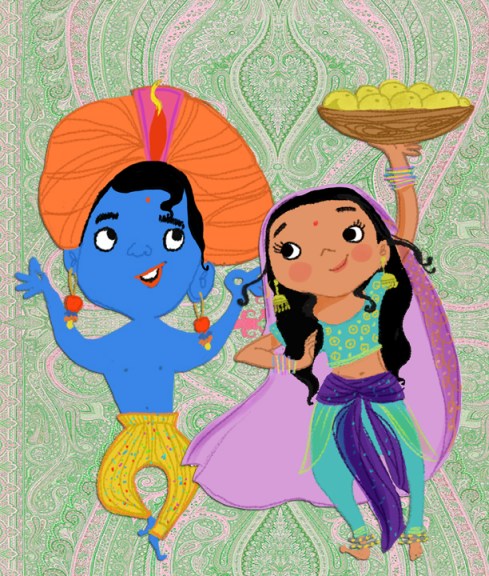
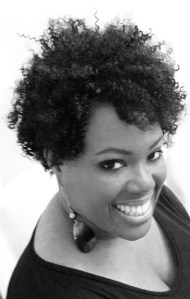 Once Upon A Time, a little girl wished to be an artist. So, she took her fantastic box of Crayola crayons and drew on the sides of her mother’s clean white stove and white walls. When her mother prepared dinner that night, the crayons melted in a beautiful puddle of waxy deliciousness. She was thrilled! Her parents? Not so much. They made that almost-famous artist get some soap and water and remove and clean up her fantastic masterpiece. Her mom and dad got her a pad of paper and she has been drawing ever since. Vanessa is agented by Painted-words.com. She lives in Charlotte, NC with her husband, daughter and a friendly cat named Stripes. Visit her at vanessabrantleynewton.com.
At the conclusion of Storystorm, prize packs will be given away (books, swag, writing tools). Comment once on this blog post to enter into the prize pack drawing.
You’re eligible to win if you’re a registered Storystorm participant and you have commented once below.
Good luck!
by Trisha Speed Shaskan & Stephen Shaskan
Writing is often thought of as a solo process. Picture a beret-clad, tortured artist in a dimly-lit room typing on a laptop with a bottle of Absinthe on hand. But it doesn’t need to be that way. Every book is made by a team—the author and editor for starters. So why not collaborate with someone from the start of your story?
Since we first met while working at an elementary school, we’ve been collaborators. We became friends, eventually married (but that’s another story), and formed a rock band together. Stephen played guitar. Trisha played drums.
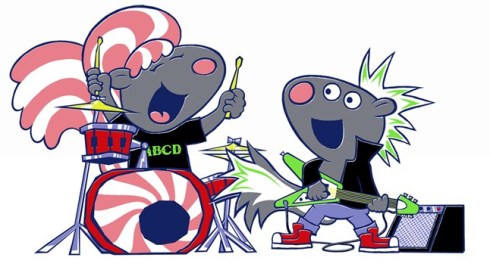
At school, we co-taught a class. We eventually co-taught classes where we encouraged students to collaborate on creating stories and comics. But it wasn’t until we had both published books—Stephen as an author/illustrator and Trisha as an author—that we began collaborating from the start of the story process. After our agents submitted an early chapter book for us that was rejected, an editor asked if we were interested in submitting a new chapter book series idea. In the past, Trisha had written the story, then Stephen read it and illustrated it. This time, we decided to collaborate from the start. Since then, we’ve found the process is really beneficial; it helped us create our graphic novel series Q & RAY and our picture book PUNK SKUNKS. This process could help you too.
When choosing someone to collaborate with on brainstorming story ideas, choose someone you fully trust. Once you’ve chosen a person, there are ground rules.
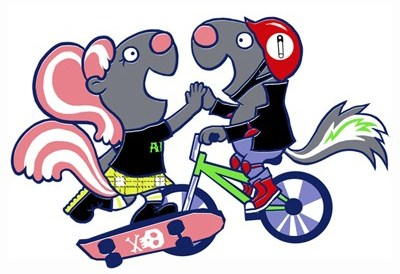
First: Collaborators need to find equal value. Brainstorm mutual interests that could be the subject of a story—basket weaving, sky diving. This allows each collaborator to have the maximum amount of investment in the story. When we first brainstormed a list of ideas to work on collaboratively, “rock bands” was one of the first subjects we both agreed on. Stephen wasn’t so keen on tea parties.
Second: Maintain mutual respect with your collaborator(s). Allow ample space for everyone’s ideas. Remember to keep things positive. There aren’t bad ideas when brainstorming (except for bands that throw tea parties according to Stephen). Think of the brainstorming session as a large pot of soup. Your collaborative cook throws in rutabaga. You don’t like rutabaga, but this is the first time you’re trying this recipe. When the soup is done, you’ll be able to see if the rutabaga works or not. When we brainstormed which animals might play in a rock band, we tried moles, then badgers who looked much better as folk rockers than rockers when sketched, before choosing punk skunks for our story.
Third: Have a sense of humor. Don’t take anything too seriously. Try to laugh at yourself. Even if you seriously want the band to throw a tea party.
Once we’ve brainstormed a story idea together, we also brainstorm the conflict. For PUNK SKUNKS, the natural conflict was one skunk wanted to sing about one topic, while the other skunk disagreed. Together we brainstormed what the characters’ personalities might be and came up with a possible outline for the story. But when it was time to write, Trisha wrote the story on her own, then Stephen illustrated it on his own.
Our first collaborative story idea that became PUNK SKUNKS was rejected as a chapter book as was our second idea, Q & Ray. We loved the stories so we switched the formats. We sold (and have now published) PUNK SKUNKS as a picture book and Q & Ray as a 3-book graphic novel series for young readers. Plus, we learned the benefits of collaborating. There’s group investment in the story. We’ve combined our expertise. The process forced each of us to think outside ourselves and to maybe let go of the tea parties. We hope you try collaborating too.

 Trisha Speed Shaskan has written over forty books for children, including the picture book PUNK SKUNKS and the Q & RAY graphic novel series, which are all illustrated by her husband Stephen Shaskan. Trisha is also the author of the upcoming picture book THE ITTY-BITTY WITCH illustrated by Xindi Yan releasing in July (Two Lions/Amazon). Trisha and Stephen, their cat Eartha, and dog Beatrix live in Minnesota. Visit Trisha online at: trishaspeedshaskan.com or on Facebook.
Stephen Shaskan is the author and illustrator of several picture books including: BIG CHOO, TOAD ON THE ROAD, MAX SPEED, THE THREE TRICERATOPS TUFF, and A DOG IS A DOG. He is also the illustrator of the picture book PUNK SKUNKS and the graphic novel series Q and Ray, both written by his wife Trisha Speed Shaskan. Stephen lives in Minneapolis, Minnesota with Trisha, and their cat Eartha and dog Bea. Find him at stephenshaskan.com or on Facebook.
You can also follow Trisha and Stephen together on Facebook here.

Trisha and Stephen are giving away a signed copy of PUNK SKUNKS and a signed copy of Q & RAY CASE #1: THE MISSING MOLA LISA. There will be two winners of one book each.
Simply leave ONE COMMENT below to enter.
You’re eligible to win if you’re a registered Storystorm participant and you have commented once below. Prizes will be given away at the conclusion of the event.
Good luck!
by Jess Keating
When I first started writing about how to get inspired, I realized the truth: I don’t believe getting inspired is the answer. Instead, we need to be inspired. All the time. Don’t roll your eyes! I know it’s a lofty goal. But you’re a writer: you’re built to do this.
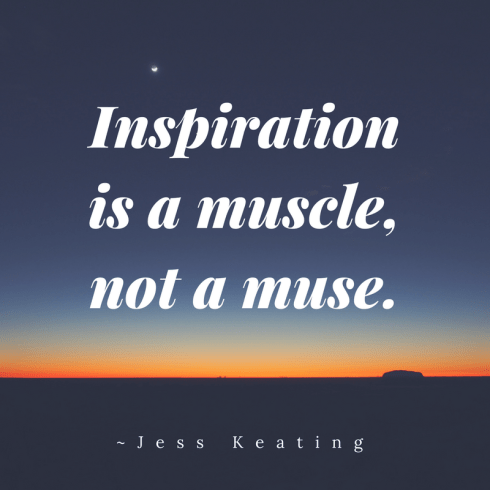
I find everything inspiring. But it takes work. Inspiration is a muscle, not a muse. The more you actively develop an attitude to suit your creative needs, the more it will come naturally. When your whole world is interesting to you, you don’t need to hunt for ideas. They grow around you organically and wait for you to pluck them out of your life.
So how do you become inspired all the time? You cultivate an attitude of inspiration. We’re talking about growing new eyes, new ears—a whole new set of senses here. Or rather, really turning on the ones you’ve got. No more autopilot.
What does this mean? Here are a few exercises that work for me.
1) Every day, learn something new.
This one sounds pretty obvious, but my rule is: if you haven’t written it down, it doesn’t count. Gone are the days of “oh, I’ll definitely remember this!” (You won’t.) You’re a writer, after all. Act like it, and write it down! The goal here isn’t just to get smarter (though that’s always a benefit), rather to go deeper into your own world.
That coffee in front of you? Do you know what part of the world it came from? What other uses could humans have for something like coffee? What’s the Swahili word for coffee? Take something that you enjoy that’s right in front of you, and challenge yourself to learn something new about it. Google it, ask someone smart, anything you need to do to grow a new connection in your mind. And when you’re done, write it down.

Creativity is born from two seemingly unrelated things suddenly making a new kind of sense together. This exercise will build your repertoire of “seemingly unrelated things”. Think of it like an encyclopedia of your life.
2) Never, ever censor or judge your own interests. This kiss of death for any project is when you think it’s something you should do. Leave the shoulds in your life to your bills, your taxes, and getting food on the table. Let your creative side tackle the things you want to do. Don’t box it in. Don’t expect it to be something it’s not. Do not compare your interests to those of anyone else. (That’s a biggie.) Their version of what matters most won’t match yours. That’s a good thing.
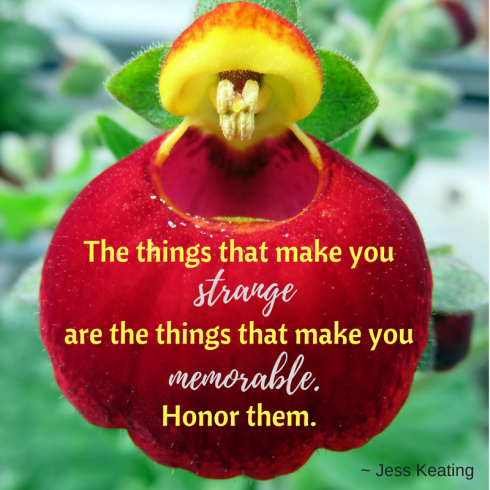
Let your true passions and interests breathe, no matter how quiet, untraditional, un-trendy, unsellable, or downright bizarre they are. Reminder: the things that make you strange are the things that make you memorable. Honor them.
You know how, when you’re house training a dog, you’re told to make a big, hairy deal every time they get it right and go to the door when nature calls? That is how you need to respond to your creative self here. Every time you feel that familiar buzz of energy that comes from learning, discovering, or contemplating a thing that excites you, make a gigantic fuss about it. Get excited. Praise yourself (“Ooh, I love this! Go, me!”), and again, write it down. This tells your brain and subconscious one very simple yet crucial fact: I will pay attention and I won’t judge you—send me more of this!
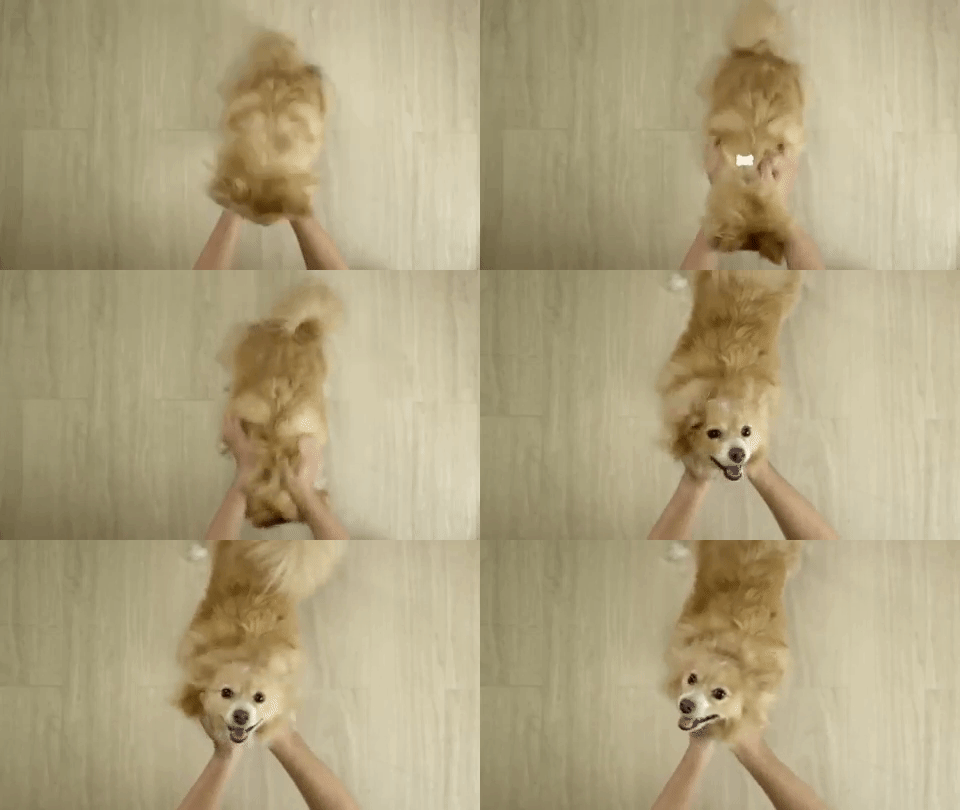
The sooner you get your brain on board, the better.
The way to be inspired all the time is to surround yourself, and your mind, with sources that feed it. Don’t discount a single thing that lights you up. Give it the time of day. Treat it like a special guest. Invite it in for a scone, and pay special attention. It has something to tell you.
3) One final tip? Open a dialogue with the world around you.
Too often, we bookish folks live in our heads. But the downside to existing only in your own head is you miss out on, oh…pretty much everything outside of it.
Something magical happens when you go about your day looking to have a dialogue with the world.
Meaningful, inspiring things have a tendency to find you. Why? Because you’ve made some space for them. The best way I’ve found to do this is by playing a little game with the world. Set yourself up to succeed here.
In your notebook, before you start your day, draw an empty box or a circle on your page. Write the words, “one amazing thing” above it and leave it blank. Then, walk away.
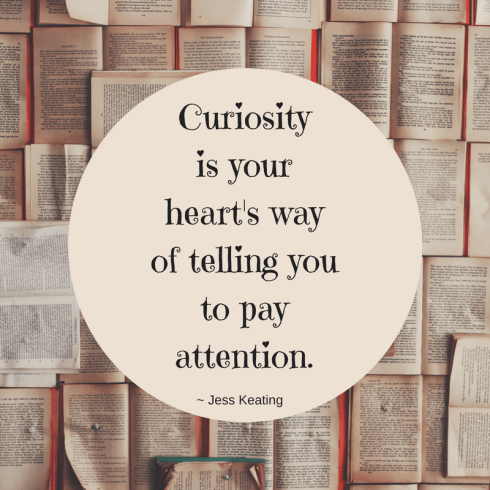
Challenge yourself to be on the lookout for one amazing thing that sparks your curiosity. Curiosity is your heart’s way of telling you to pay attention. The minute you give yourself this exercise, your awareness will go on overdrive. The forced “limit” of that little box is also incredibly freeing. You’re not asking yourself to solve world hunger. You’re just looking for one amazing thing to fill that little box.
Suddenly, your day takes on a different meaning. Maybe you notice the snow piling up in funny angles on the railing outside. Or the way the squirrels’ tails seem to floop around as they run. Or that tiny, shy grin the cashier at the grocery store gives the teen boy buying gum. (Is a new romance afoot?!)
Don’t look now, you’re actively looking at the world with that attitude of inspiration we were talking about! Go, you! You’ll know when you come across the thing that belongs in your notebook.
Do this for a week and you’ll notice some fun insights about what finds its way to your awareness. Do this for a year and you’ll need ten notebooks a day for all the amazing things you’ll notice.
Why are these three exercises so helpful to grow that inspiration muscle? Quite simply: what inspires you is what matters to you. By approaching what matters to you from several perspectives like this, you’ll begin to uncover some truths about what makes you tick creatively. Your viewpoint suddenly becomes amplified.
And, lucky you, you’ve written it down!
Everybody has themes to their lives, and they operate like hidden train tracks beneath our stories. These exercises will shine a spotlight on those emotional tracks so you can build stories that truly resonate with you. And that’s the first step behind creating something that will resonate with others.
This month, (and every month) don’t tell yourself you’re generating ideas. Instead, you’re waking up to the ideas that want your attention. They’re already there, waiting for you. Your job is to pay attention and create space for them.
So…what amazing thing have you noticed today?
As a zoologist and author, Jess Keating has been sprayed by skunks, bitten by crocodiles, and victim to the dreaded papercut. Her books blend science, humor, and creativity, and include the acclaimed My Life is a Zoo middle-grade trilogy, the picture book biography, Shark Lady, and the award-winning World of Weird Animals nonfiction series, launching with Pink is for Blobfish. You can find her on Twitter @Jess_Keating and on her website, JessKeating.com.
 Jess Keating is a fiction and nonfiction writer who loves telling fun stories in any way she can. She also has a Masters of Science in Zoology, so she gets to throw around goofy animal facts a lot.
She is the author of several picture books including PINK IS FOR BLOBFISH, CUTE AS AN AXOLOTL and SHARK LADY. Her forthcoming middle grade novel, NIKKI TESLA AND THE FERRET-PROOF DEATH RAY is out July 2019.
Visit her online at jesskeating.com and follow her on Twitter @Jess_Keating.
At the conclusion of Storystorm, prize packs will be given away (books, swag, writing tools). Comment once on this blog post to enter into the prize pack drawing.
You’re eligible to win if you’re a registered Storystorm participant and you have commented once below.
Good luck!
Bonus: quotes for sharing!


Are you a fan of puns? I sure am! I grew up in a really punny family so puns have always been one of my favorite things. Puns are a fun way to play with words and a terrific way for kids to develop a love of language.
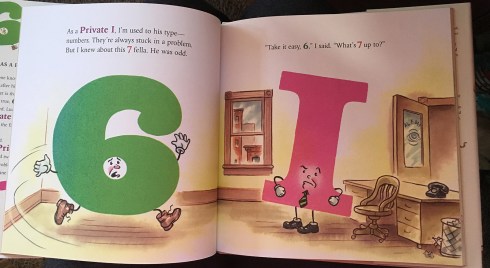
Tara Lazar’s 7 Ate 9 (illustrated by Ross MacDonald) is an excellent example of fabulous punning for a number of reasons (and you can always count on it for a laugh).
Chicken Lily, written by Lori Mortensen, is full of clever chicken puns. The main character is a chicken who is too chicken to read a poem onstage at school.

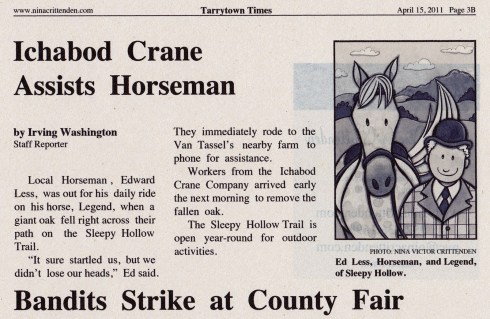
The Legend of Sleepy Hollow by Washington Irving was the inspiration for this promotional postcard that I made back in 2011:
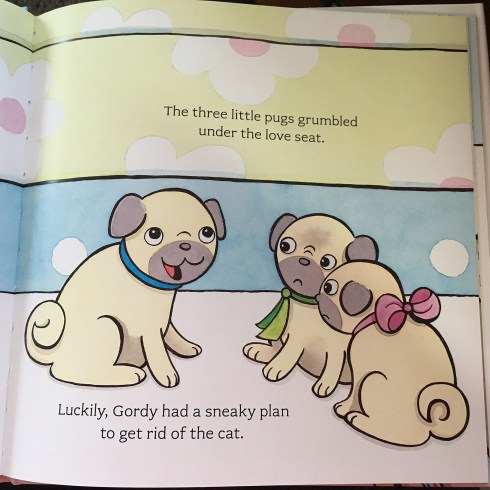
I even put a pun in The Three Little Pugs (a group of pugs is called a grumble):
Let’s pick a random topic and get started:
Cheese.
You don’t need to havarti supplies, just a pencil and paper will do. Immerse yourself in the subject and don’t let anything get pasteurize. Milk it for all it’s worth. Where there’s a will, there’s a whey. Get ready for some brie-lliant ideas to start rolling in. Have fun and be silly, before you know it you could have a pile of…

Thank you, Tara! Have a punderful day, everyone!
 Nina Victor Crittenden is an artist, certified veterinary technician, scarf knitter, and tea drinker. She works traditionally using ink and watercolor on hot pressed paper. Nina is the illustrator of Cedric and the Dragon and Chicken Lily, and is the author/illustrator of The Three Little Pugs. She lives in the land of 10,000 lakes with her husband, daughters, guinea pig, bunnies, fish, and two little pugs.
Visit her at ninacrittenden.com or follow her on Twitter @NVCrittenden and Instagram @nvcrittenden.

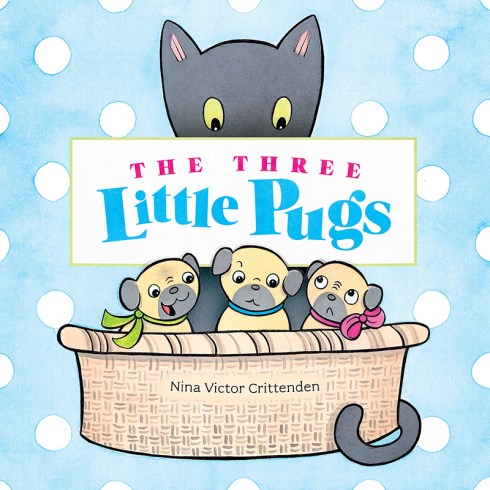
Nina is giving away one copy of Chicken Lily and one copy of The Three Little Pugs. There will be two winners of one book each.
Simply leave ONE COMMENT below to enter.
You’re eligible to win if you’re a registered Storystorm participant and you have commented once below. Prizes will be given away at the conclusion of the event.
Good luck!
by Shutta Crum (from Thanksgiving 2011)
Storystorm is about beginnings—first ideas, first notes, and then, hopefully, first drafts from the exciting tidbits we’ve jotted down during the month. While thinking about beginnings I remembered one of my first writing classes: high school journalism. I don’t remember much from the class except that a good lead should always include the answers to four important questions: the 4 Ws. These are: who, what, where, and when. After a good lead, we were taught the story could move on into the details of how, or why.
Good leads are something that the news reader doesn’t really notice, but are crucial to keeping the reader’s attention. They quickly dispense with niggly concerns and important facts so the reader can settle into the story. It is a technique every picture book writer ought to know.
Answering those four questions right up front in any story tucks the reader in. However, as with many aspects of writing the picture book, the writer for the very young has to do it faster, with fewer words, and sometimes in verse!
Better than hearing this from me—and more fun—is studying how some of our best picture book writers, and illustrators, do it. Below are some of my favorite examples, in prose and in verse.
(Prose) Rosemary Wells, from MAX’S CHOCOLATE CHICKEN.

“One morning somebody put a chocolate chicken in the birdbath.”
Let’s parse this opening line. When: one morning. Who: somebody. (We also see a picture of that somebody—Poppa?) What: put a chocolate chicken. Where: in the birdbath. (And what a great hook for a young child! Why would someone do that?)
(Verse) Karma Wilson, from BEAR SNORES ON.

“In a cave in the woods
in his deep, dark lair,
through the long, cold winter
sleeps a great brown bear.”
Where: in a cave in the woods in a deep dark lair. When: through the long cold winter. What: sleeps. Who: a great brown bear. (And she did all this with perfect meter! Note: be sure to read Karma’s earlier post, on Nov. 2nd.)
Of course, we are blessed by the illustrations in our picture books. In addition to everything else they do so well, the art carries a great deal of this initial informational load. If the setting is a farm, we see that and it may not be mentioned at all in the text. If it is nighttime, or winter, or the main character is a bear . . . these may, also, not be directly mentioned. If it is not said in the text, it is then incumbent on the illustrator to add that context. Look at Jane Yolen’s Caldecott-winning book, illustrated by John Schoenherr.
(Free verse) Jane Yolen, from OWL MOON.

“It was late one winter night,
long past my bedtime,
when Pa and I went owling.”
When: late one winter night, long past my bedtime. Who: Pa and I. What: went owling. There is no mention of where . . . that is covered by the beautiful farm scene in the illustration.
Occasionally, leaving out more than one of these details may actually enhance the story by focusing the reader’s attention on another detail that may be of more importance. For example, study Jon Klassen’s new book I WANT MY HAT BACK. There is no where indicated (except for a few rocks and sprigs of grass). Nor, even a when. Who and what are of prime importance. (Who: I. What: Want my hat back.) Against almost completely blank pages readers really notice those eyes on the bear and the rabbit. The facial expressions are subtle, yet so important for understanding the story. In an intensely illustrated background, the significance of those looks might get lost. We assume it is some place where there are bears and rabbits and other animals. And the when is unimportant. As in all things, once you know the rules you also know when it may be best to break them.
(Prose) Jon Klassen. From I WANT MY HAT BACK.

“My hat is gone.
I want it back.”
So study first lines for how good writers quickly dispense with the basic questions any reader has about the world of the story. Then once you’ve tucked your readers in, you can lead them on to discover the answers to those other two important questions: how the story unfolds and why.
 Shutta Crum is the author of several middle-grade novels, more than a dozen picture books, and many poems and magazine articles. She adores speaking about children’s books and is an oft-requested presenter, guest lecturer, panel moderator, and keynote speaker. Her latest picture book is MOUSELING’S WORDS (Clarion). It’s her auto-mouse-biography—about a mouse who becomes a swashbuckler of words. The idea came from one of Tara’s Storystorm (PiBoIdMo) challenges. Thanks Tara for challenging us!
You can follow Shutta on her blog & website at shutta.com, on Twitter @Shutta and on Facebook here.
At the conclusion of Storystorm, prize packs will be given away (books, swag, writing tools). Comment once on this blog post to enter into the prize pack drawing.
You’re eligible to win if you’re a registered Storystorm participant and you have commented once below.
Good luck!
Writers understand the power of Story. We get that stories can enlighten, educate, make you laugh till you’re breathless, or move you to tears. All good stories make you feel something.
I wish I was a humorous writer, à la Madam Tara Lazar.

Who wouldn’t want to bring word play, joy and humor to the world of kidlit?
But it turns out that some stories knock on your door unsolicited. Sometimes, they seep into your brain and wrap around your heart. They badger you until you pull them into the world by painting them with words.
These stories can be tricky. Especially when they’re based on truth, or history. If they aren’t handled with care, they can end up sounding boring, sentimental and didactic. When that happens the hearts and minds these stories long to open—remain closed.
More than ten years ago, one of these persistent ideas knocked on my door after I read multiple testimonies from people who had been separated from their parents and siblings during WWII. Even as these children grew up in different countries with new families, they remembered each other. But each believed the other had perished in the war. Some sixty-plus years later, some of them found one another thanks to organizations like The Shoah Project and Yad Vashem.
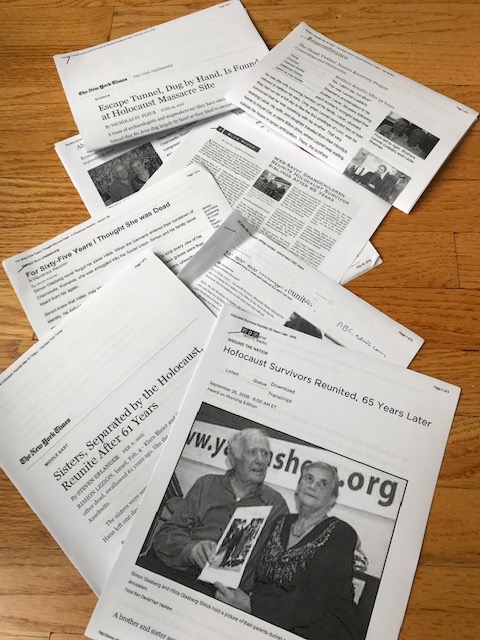
Their stories haunted me. They shadowed me like a lost dog looking for home. I wondered how war scars children? How did they survive while others didn’t? What unseen fractures remained? How could they be healed? I felt compelled to share the stories that had shaped their lives.
I knew a manuscript about children of war would be tough to sell. Especially a picture book. But that didn’t matter. I only knew I had to write it. Because this had happened to children, I wanted to write it for children. But how could I begin to describe such a tragic truth?
Simply.
Honestly.
Looking out of the eyes of a child.
As I read and researched more and more about the Holocaust, I realized I wanted to tell a story sewn together from accounts of siblings from multiple families. I put myself into the heart of the older sister. Her memories became mine. I wrote in her voice. I minimized the graphic details and focused on the separation itself. The main character Ruthi refused to let her story be solely about what she’d lost. Her story became more about what kept her going. It’s about the key ingredients that might have allowed her and others to survive.
I shared the manuscript with my agent unsure of how she’d respond. Thankfully, she loved it and was determined to sell it. Eventually, she did. HAND IN HAND will be published in April by Apples & Honey Press. Maya Shleifer’s incredible illustrations bring Ruthi and her little brother Leib to life, while softening the hard edges of their story through color and character.
Editing helped the book evolved into a story about the effects of separation and war on children.
It became more than just another book about the Holocaust. Though it’s aimed at 7-10 year-olds, I hope it speaks to a broader audience.
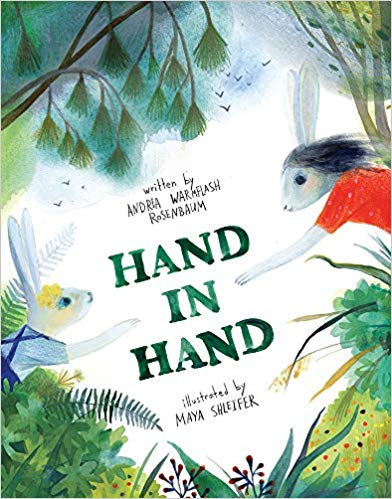
Our stories can’t change history, but they might have the ability to heal. By spotlighting tragic events, books can build empathy and understanding. If you have a tough story you’re longing to tell I hope you find a way to share it. Open the door and embrace it. Try to be honest. Try to be brave. Listen to your characters. You never know who may be waiting for your words.

Andria Warmflash Rosenbaum is the author of TRAINS DON’T SLEEP, illustrated by Deirdre Gill (HMH) and BIG SISTER, LITTLE MONSTER, illustrated by Edwin Fotheringham (Scholastic Press), a PiBoldMo idea from 2014. She hunts for picture book ideas from her home in New Jersey. You can follow her on Twitter @andriawrose, or learn more about Andria and her books at: andriawarmflashrosenbaum.com.
Andria is giving away a signed copy of HAND IN HAND when it’s published in April.
Simply leave ONE COMMENT below to enter.
You’re eligible to win if you’re a registered Storystorm participant and you have commented once below. Prizes will be given away at the conclusion of the event.
Good luck!
by Zachariah OHora (from 2013)
Writing is hard work. Coming up with good characters can be even harder. The market for picture books (at least this moment) is all about character-driven stories.
When I’m trying to come up with a fresh book idea and there isn’t one to steal from my kids, I start with a character.
I’ve developed a method that is very simple. Even if you don’t draw you can fake it.
It’s called “Pump Your Character” ™.
In a nutshell it works like this…
(Tara’s note: click each image to see it in its full-sized glory!)
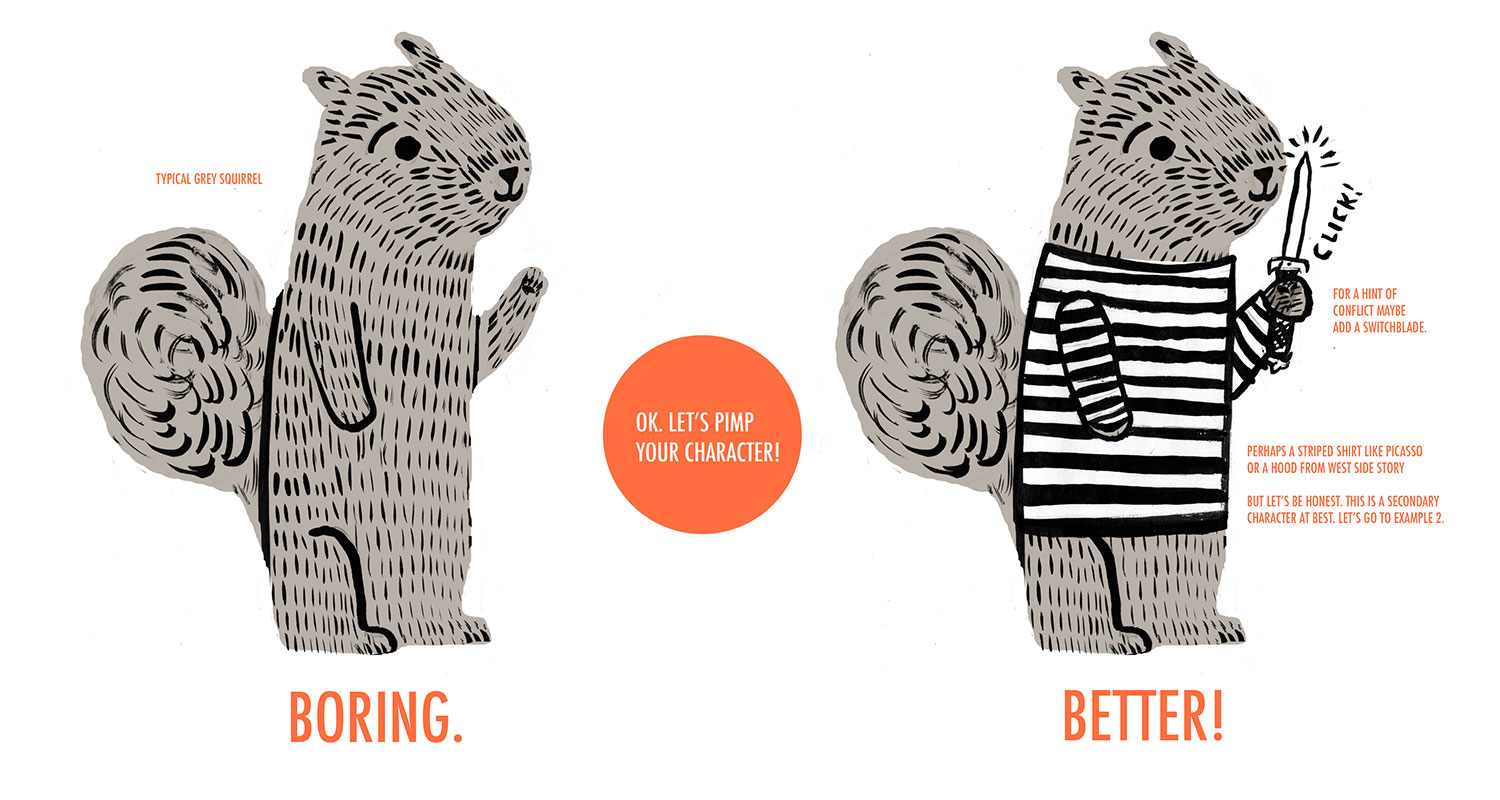
Good! You are on your way. If you are feeling confident about this simple version, move on to the advanced version.


Say you are having trouble picking an animal. Maybe you hate animals? If so, try writing dystopian YA.
If you love animals but just can’t decide go to CuteOverload.com or even better FYeahCuteAnimalss.tumblr.com.
Pick an animal and refer to the charts above to “Pump Your Character” ™.
If done right your character will write or reveal it’s own story. All you have to do is be open to hearing it. Don’t be afraid to use peoples own prejudices and expectations.
You might be surprised. Here’s an example.
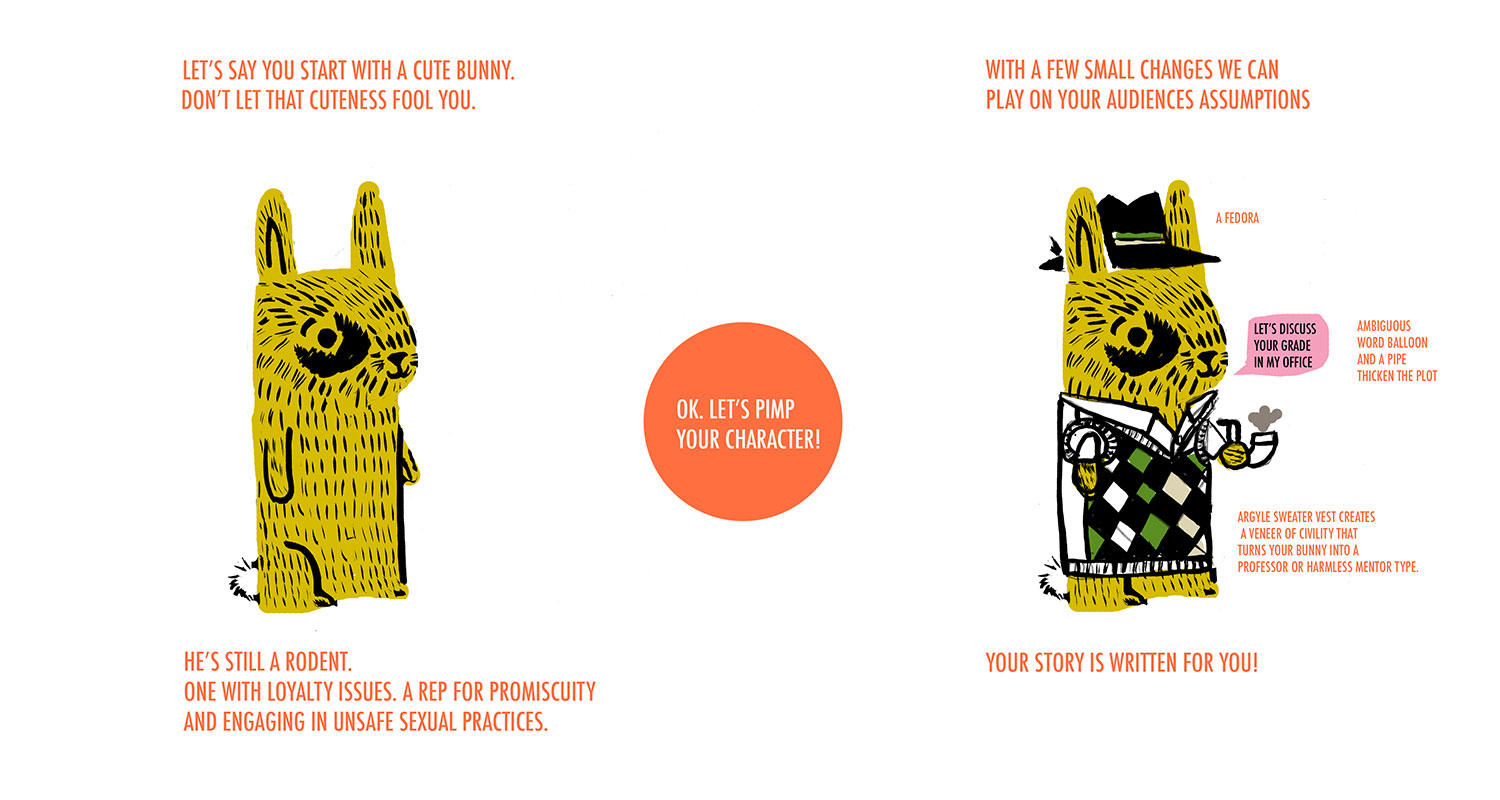
Sometimes I get lucky. Real life provides me with a story and character idea and they almost write themselves. NO FITS NILSON! was one of those.

Good luck Pumping Your Character!
 Zachariah OHora is the illustrator of the New York Times best seller Wolfie the Bunny. His debut as an author, Stop Snoring Bernard! won the 2011 Society of Illustrators Founders Award and was the 2012 State of PA Dept of Ed One book. His follow up, No Fits Nilson! was named the Huffington Post Best Children’s Book of 2013, a Kirkus Best Picture Book of 2013, a New York Public Library Book for Reading and Sharing and was given the PALA Carolyn W. Field Award. His book My Cousin Momo! was named by the Boston Globe a Best Picture Book of 2015 and was a Junior Library Guild Selection. His latest book The Not So Quiet Library hits shelves July 19th. He lives and works in Narberth, PA with his wife, two sons and two cats. Visit him at zohora.com.
At the conclusion of Storystorm, prize packs will be given away (books, swag, writing tools). Comment once on this blog post to enter into the prize pack drawing.
You’re eligible to win if you’re a registered Storystorm participant and you have commented once below.
Good luck!
If inspiration is all around us, why does it sometimes feel as if our muse is on vacation—basking in the sun and living the good life while we’re struggling to settle into our creative groove?
Without our muse to guide the way, we are destined to be adrift in a sea of uncertainty headed towards a creative abyss, right? Wrong!
I want to let you in on a little secret. Are you ready for it? Here it is: You don’t need a muse!
There won’t be an “aha moment” around every corner. There may not be an aura surrounding your next big idea. If you want access to a constant source of inspiration, look no further than yourself. All you need is your inspiration tool box.

My inspiration tool box helps me to generate ideas at any stage of the writing process. What’s great about it is that it only consists of three things: eyesight, insight, and hindsight.
- Eyesight
Take a look around. Your home, job, and favorite hangout spots are waiting to be mined for story ideas. Get your axe and get picking! - Insight
Take a long, hard look at something—anything. Take a closer look at it then you normally would. Involve your senses. Take note of how it looks, smells, feels, tastes, sounds. There’s more depth involved in insight than eyesight. Consider your emotional response to what you’re observing. Experience the object of your focus. - Hindsight
You can’t change the past, but you can sure draw some inspiration from it. What made your heart skip a beat when you were younger? What is the most cherished memory of your recent past? Who or what have been most important to you and why? Think about some of your first experiences and the way they made you feel.
You can use all three tools at once, or you can pick and choose. For my picture book debut, NOT QUITE SNOW WHITE, I used a combination of the three to come up with the idea. Here’s how I used my inspiration tool box:
Eyesight:
Q: What do I see a lot of?
A: Princesses. They’re everywhere and on everything.
Insight:
Q: What’s common about the princesses?
A: Most of them are White. There’s not much variation. They’re all “perfect” according to today’s standards.
Q: What’s missing?
A: Princesses with quirks. Princesses who look like me.
Hindsight:
Q: What made me happy as a kid?
A: Barbies. Mom made a point to buy me POC Barbies. I had tons.
Q: How do I feel about that?
A: Back then, the dolls made me happy. They were my favorite. Now, I realize they helped me feel seen (which was especially important because I attended predominantly White schools).
As you can see, I always begin with questions. Personally, I find that beginning with questions helps me to focus my ideas.
Armed with the thoughts gifted to me by my tool box, I decided that I wanted to write an African-American princess story. Many wretched and promising drafts later (thanks, revision!), I came up with Tameika’s story.
I’m happy to introduce to you, my Storystorm family, the cover of NOT QUITE SNOW WHITE:
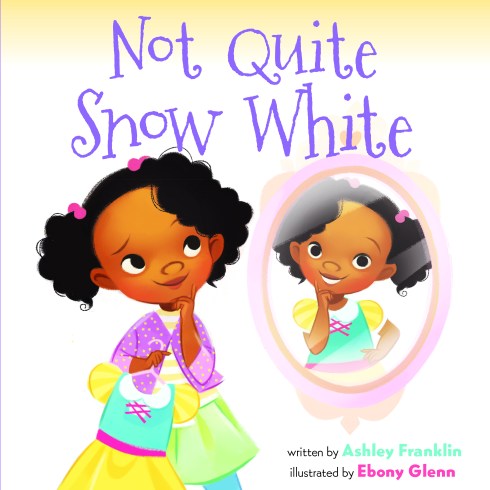
:
 Ashley Franklin is an African-American writer, mother, and adjunct college professor. Ashley received her M.A. from the University of Delaware in English Literature, where she reaffirmed her love of writing but realized she had NO IDEA what she wanted to do about it.
Ashley currently resides in Arkansas with her family. Her debut picture book, NOT QUITE SNOW WHITE, will be published July 9, 2019 by HarperCollins. The idea for the book originated from a former Storystorm (then PiBoIdMo) challenge. For more information on Ashley, you can visit her website: ashleyfranklinwrites.com.
Social media savvy? You can find Ashley on one of these platforms: Twitter @differentashley, Instagram: @ashleyfranklinwrites and Facebook.
Ashley is giving away two prizes to two winners. First, a signed copy of NOT QUITE SNOW WHITE when it releases. Second, a non-rhyming picture book critique.
Simply leave ONE COMMENT below to enter.
You’re eligible to win if you’re a registered Storystorm participant and you have commented once below. Prizes will be given away at the conclusion of the event.
Good luck!





 Writing for Kids (While Raising Them)